Benefits Of Real-Time Google Review Alert In Restaurants
Last Update: 33 weeks ago
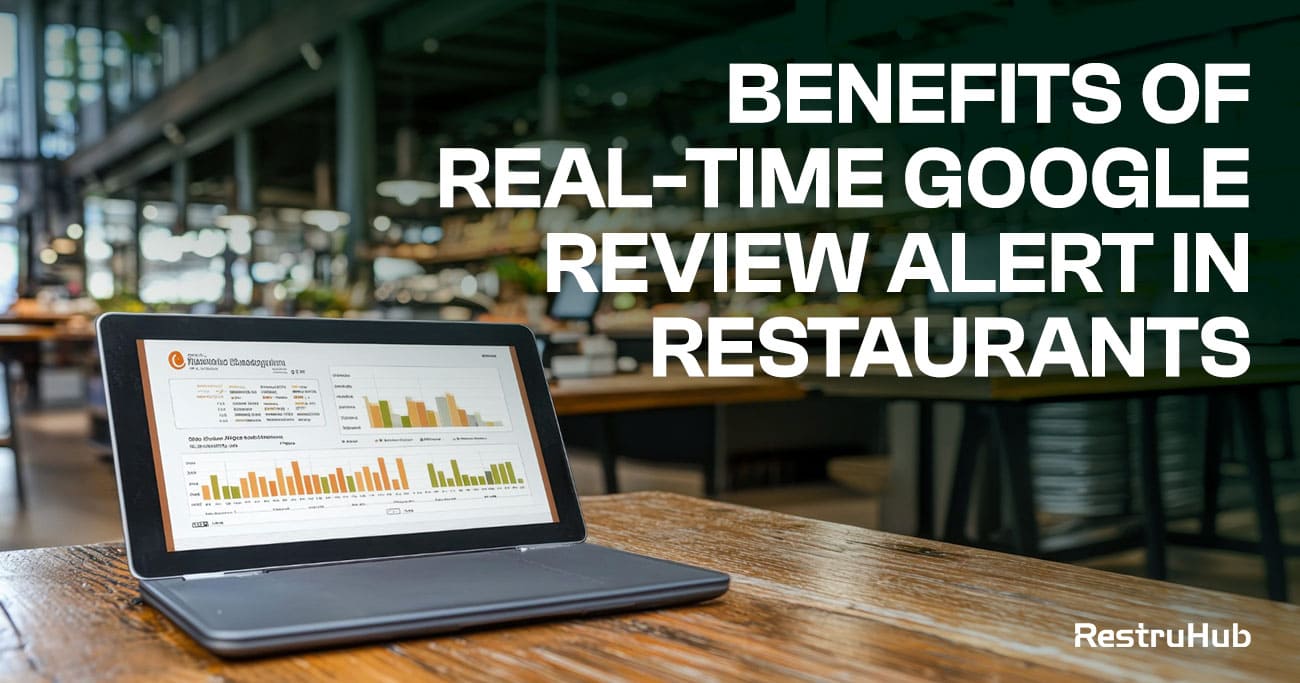
Real-time Google review alerts help restaurants stay informed the moment a customer leaves feedback. Instead of manually checking your Google Business Profile throughout the day, instant notifications allow you to respond quickly and professionally. Fast responses can reduce the impact of negative reviews and show customers that their opinions matter.
These alerts also help identify operational issues early, improve team coordination, and maintain consistent communication across locations. Over time, structured monitoring supports higher ratings, stronger customer trust, and better local visibility. For restaurants that rely on reputation and word of mouth, real-time review alerts provide a simple yet powerful way to protect brand image and encourage long-term growth.
What Is a Real-Time Google Review Alert?
A real-time Google review alert is an instant notification sent to a restaurant whenever a new review is posted on its Google Business Profile. Instead of manually checking for updates, the system automatically detects new ratings or comments and delivers them through email, messaging apps, or a monitoring dashboard.
These alerts allow restaurant owners and managers to see feedback immediately after it goes live. Quick visibility helps teams respond faster, especially to negative reviews that may affect reputation. Real-time alerts turn customer feedback into actionable information, helping restaurants stay proactive, protect their ratings, and maintain strong relationships with both new and returning guests.
8 Key Benefits Of Real-Time Google Review Alerts
Real-time review alerts give restaurants immediate visibility into customer feedback. Fast awareness leads to faster action. Below are four powerful benefits that directly influence reputation, trust, and long-term business performance.
1. Faster Response to Negative Reviews
Negative reviews can shape public perception within minutes. When a complaint sits unanswered, potential customers may assume the issue is unresolved or ignored. Instant alerts ensure that management is notified the moment a review is published.
Quick responses demonstrate responsibility. A calm and professional reply can reduce frustration and show that the restaurant values customer experience. Addressing concerns early often prevents further public criticism.
Speed also helps control the narrative. When management responds promptly, future readers see both sides of the situation. Even if the feedback is critical, a timely response reflects strong leadership and customer care.
2. Improved Customer Trust and Transparency
Trust grows when customers feel heard. Restaurants that respond consistently to reviews create an image of openness and accountability. Silence can feel dismissive, while engagement builds confidence.
When potential guests browse reviews, they often read management replies before making decisions. Thoughtful responses show that the restaurant takes feedback seriously and strives to improve. This transparency makes customers more comfortable choosing your business.
Responding quickly to positive reviews strengthens loyalty as well. A simple thank-you message shows appreciation and encourages repeat visits. Over time, consistent communication creates stronger relationships with guests.
3. Protection of Online Reputation
A restaurant’s online reputation is one of its most valuable assets. Unresolved complaints can discourage new customers and slowly damage brand perception. Real-time alerts reduce the risk of missed feedback.
Immediate visibility allows managers to investigate issues quickly. If a complaint involves service delays, food quality, or staff behavior, corrective action can begin right away. Early intervention limits the spread of negative impressions.
Proactive monitoring also helps identify patterns. If similar concerns appear repeatedly, leadership can address root causes before reputation suffers further. Protecting reputation requires constant awareness, and instant alerts provide that awareness.
4. Higher Google Star Ratings Over Time
Star ratings directly influence local search visibility and customer decisions. Even a small improvement in rating can increase profile views and conversions.
Fast responses often soften the impact of negative reviews. Customers appreciate acknowledgment and resolution efforts. In some cases, guests choose to update or revise their rating after receiving a respectful reply.
Consistent engagement signals professionalism to future customers. Over time, structured monitoring and timely communication contribute to stronger overall ratings. Improved ratings lead to better visibility, higher trust, and more consistent revenue growth.
5. Early Detection of Operational Issues
Customer reviews often reveal problems that managers may not notice immediately. Comments about slow service, cold food, billing mistakes, or staff behavior provide direct insight into daily operations. Real-time alerts allow restaurants to spot these issues the moment they appear.
Instead of discovering problems days later, management can investigate immediately. If multiple customers mention long waiting times during dinner hours, staffing adjustments can be made quickly. If food quality complaints appear repeatedly, kitchen processes can be reviewed without delay.
Early detection prevents small operational weaknesses from becoming ongoing patterns. Quick internal corrections improve overall service quality and reduce the likelihood of repeated negative feedback. Over time, faster problem resolution leads to better guest experiences and stronger brand consistency.
6. Better Team Accountability and Coordination
Review management works best when responsibilities are clearly defined. Real-time alerts make it easier to assign ownership for each review. Managers can see who responded, which reviews are pending, and how quickly action was taken.
Clear visibility improves accountability. When team members know reviews are being tracked, response speed naturally improves. Branch managers can handle local feedback while senior leadership monitors overall performance.
Better coordination also reduces confusion. Instead of overlapping replies or missed reviews, a structured system ensures smooth collaboration. Organized communication helps maintain professionalism across all responses.
7. Stronger Local SEO Performance
Google values active and well-managed business profiles. Consistent engagement with customer reviews signals that your restaurant is responsive and trustworthy. Real-time alerts make consistent engagement easier to maintain.
Frequent responses contribute to fresh activity on your profile. Higher engagement combined with positive ratings improves visibility in local search results. Restaurants with strong reputations often rank higher in map listings and attract more clicks.
Improved local SEO increases profile views, direction requests, and calls. When customers see both positive reviews and active management, they are more likely to choose your restaurant over competitors nearby.
8. Increased Customer Retention and Repeat Visits
Responding quickly to reviews strengthens customer relationships. Guests feel valued when their feedback receives attention. A fast thank-you message for positive feedback encourages loyalty and repeat visits.
Handling complaints professionally also improves retention. When customers see that management listens and resolves issues, they are more likely to return. Even dissatisfied guests can become loyal customers if their concerns are addressed properly.
Consistent communication builds long-term trust. Loyal customers often leave additional positive reviews, recommend the restaurant to others, and contribute to steady revenue growth. Real-time alerts help maintain this engagement without delays.
How Real-Time Alerts Reduce Reputation Risks
Reputation can change quickly in the restaurant industry. A single unresolved complaint can influence many potential customers. Real-time alerts reduce risk by ensuring feedback is seen, understood, and handled before it causes lasting damage.
Immediate Visibility Prevents Public Escalation
When a negative review appears, timing matters. Without alerts, complaints may sit unnoticed for hours or days. During that time, other customers can read the review and form negative impressions.
Instant notifications allow managers to respond before frustration grows. A calm and professional reply shows responsibility and reduces the chance of the issue spreading further. Early engagement often prevents customers from posting repeated complaints or escalating concerns on other platforms.
Faster Action Limits Repeated Operational Mistakes
Many reputation risks are linked to operational issues. If customers repeatedly mention slow service, incorrect orders, or poor staff behavior, the damage increases with every new review.
Real-time alerts help identify patterns immediately. Management can investigate and fix the root cause before more guests experience the same problem. Quick corrections reduce the number of similar negative reviews and protect overall brand perception.
Structured Prioritization Reduces High-Severity Risks
Not all reviews carry the same level of risk. Comments about hygiene, billing errors, or food safety require urgent attention. Delayed handling of serious complaints can significantly harm reputation.
Alert systems that highlight severity allow teams to focus on critical feedback first. Clear prioritization ensures sensitive issues receive immediate review by senior management. This structured approach reduces the chance of high-risk situations being ignored.
Consistent Engagement Builds Protective Trust
An active review presence creates a protective layer around your brand. When customers see management consistently responding, they view the restaurant as responsible and transparent.
Even if a negative review appears, visible engagement reduces its impact. Potential diners notice how the issue was handled rather than focusing only on the complaint itself. Consistent responsiveness builds resilience against occasional negative feedback.
Centralized Monitoring Protects Multi-Location Brands
For restaurants with multiple branches, reputation risk increases. A complaint at one location can affect the entire brand if not managed quickly.
Centralized real-time alerts provide oversight across all locations. Leadership can monitor serious issues and support branch managers when needed. Strong visibility ensures that no location becomes a weak point in the overall brand image.
Manual Alerts vs Smart Alert Systems
Restaurants can receive review notifications in different ways. Some rely on basic manual alerts from Google, while others use smart monitoring systems with advanced features. The difference affects speed, organization, and overall reputation control.
How Manual Alerts Typically Work
Manual alerts usually come directly from Google through email notifications. When a new review is posted, an email is sent to the registered business account. The manager must open the message, log in, and respond manually.
This method is simple and free. It works for very small restaurants with low review volume. However, emails can easily get buried in crowded inboxes. If the manager is busy during service hours, the review may remain unread for a long time.
Manual systems also lack structured tracking. There is no built-in prioritization, no performance overview, and no team collaboration features. Everything depends on individual effort and consistency.
How Smart Alert Systems Improve Speed
Smart alert systems continuously monitor your Google Business Profile in the background. When a review is posted, instant notifications are sent through multiple channels such as email, messaging apps, or a centralized dashboard.
Instead of relying on one inbox, alerts reach the responsible team members immediately. Faster visibility leads to faster responses. Speed reduces the risk of unanswered complaints influencing potential customers.
Many smart systems also include automated reminders for pending reviews. This reduces the chance of missed feedback and keeps response times consistent.
Prioritization and Sentiment Intelligence
Manual alerts treat all reviews the same. A five-star compliment and a one-star complaint receive identical notifications. The manager must read each one to determine urgency.
Smart systems analyze review content automatically. Sentiment detection identifies negative language and flags high-severity issues. Reviews mentioning hygiene, billing, or service problems can be marked as urgent.
This intelligent filtering helps teams focus on what matters most. Instead of reacting randomly, restaurants respond strategically based on risk level and impact.
Team Collaboration and Accountability
Manual monitoring often limits access to one account. If only one person checks reviews, delays can occur during busy shifts or time off.
Smart alert platforms allow role-based access. Branch managers, marketing teams, and owners can all see updates in real time. Responsibilities can be assigned clearly, and response status is visible to everyone.
Collaboration improves accountability. Management can track response time, monitor performance trends, and maintain consistent communication standards across locations.
Scalability and Long-Term Control
Manual alerts may work at the beginning, but they become inefficient as review volume grows. More locations and higher customer activity increase workload significantly.
Smart systems scale easily. New branches can be added to a single dashboard. Alert rules can be customized per location. Structured monitoring supports growth without increasing confusion.
Choosing between manual and smart systems depends on your restaurant’s size and goals. For long-term reputation protection and operational efficiency, intelligent alert systems provide stronger control and measurable results.
How RestruHub Delivers Instant Review Alerts for Restaurants
RestruHub is designed to give restaurants immediate control over their online reputation. Once connected to your Google Business Profile, the platform continuously monitors new reviews in the background. The moment a customer leaves feedback, instant alerts are sent through your selected channels, ensuring no review goes unnoticed.
All reviews are organized inside a centralized dashboard where managers can filter by rating, location, or response status. Built-in sentiment detection highlights negative and high-severity reviews, helping teams prioritize urgent issues quickly. Multi-location support allows owners to monitor every branch from one place while assigning responsibilities to local managers.
With smart alerts, clear prioritization, and team-based access, RestruHub helps restaurants respond faster, protect ratings, and maintain strong customer trust every day.
Frequently Asked Questions
How quickly should restaurants respond to Google reviews?
Restaurants should aim to respond within a few hours, especially to negative reviews. Fast responses show professionalism and care. While same-day replies are acceptable, quicker engagement helps reduce potential reputation damage and builds stronger customer trust.
Can real-time review alerts improve my restaurant’s rating?
Real-time alerts support faster responses, which can positively influence customer perception. When complaints are handled professionally and promptly, some guests may reconsider their rating. Consistent engagement also improves overall reputation over time.
Do small restaurants really need automated review alerts?
Even small restaurants benefit from instant notifications. Manual checking can lead to missed feedback during busy hours. Automated alerts ensure that no review is overlooked, helping maintain consistent communication with customers.
How do real-time alerts help multi-location restaurants?
Multi-location restaurants can monitor all branches from one dashboard. Alerts notify the correct manager based on location, improving coordination and ensuring each branch maintains consistent service standards and response speed.
Are automated responses better than manual replies?
Automation helps save time, especially when it comes to positive reviews. However, negative or complex complaints should always be reviewed manually. The best approach combines automation for efficiency and human oversight for personalization and empathy.
Want to Grow Your Reviews?
Learn how Restuhub helps 500+ businesses automate their Google reviews.
Free Consultation