How To Create A Detailed Review Request Strategy For Your Restaurant
Last Update: 23 weeks ago
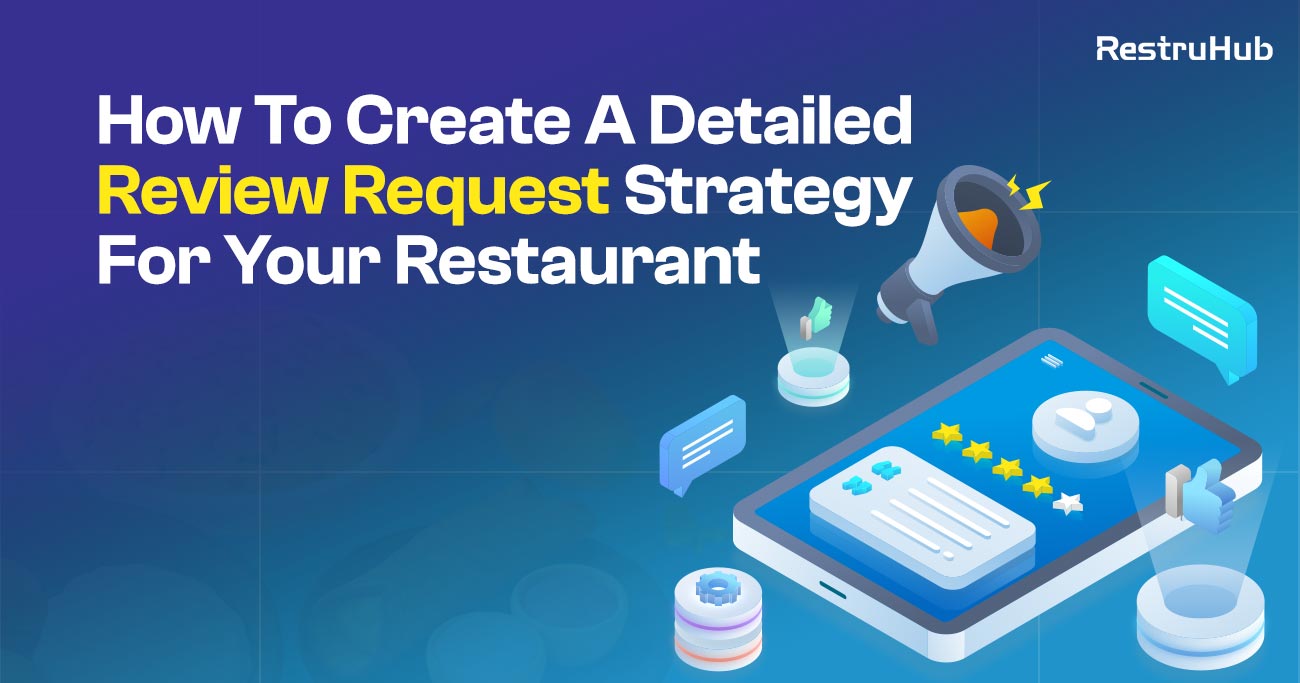
Getting customers to leave Google reviews is not just about asking more often. It is about asking the right way, at the right time, with the right structure. Many restaurants request reviews casually, without a clear plan, and end up with short or inconsistent feedback. A detailed review request strategy helps you guide customers toward sharing meaningful experiences. It ensures your team knows when to ask, how to ask, and which channels to use.
With a structured approach, you can increase review volume, improve review quality, and strengthen your online reputation. Instead of relying on luck, your restaurant can build a repeatable system that consistently generates valuable and detailed Google reviews.
Why Better Review Requests Lead to Better Google Reviews
The quality of your Google reviews often reflects the quality of your review requests. When restaurants ask casually or inconsistently, the result is usually short and generic feedback. A well structured request, however, encourages customers to share more meaningful and detailed experiences.
Clear Guidance Produces Clearer Reviews
Most customers are willing to leave a review but are unsure what to write. A vague request such as “Please leave us a review” does not provide direction. As a result, many guests leave only a star rating or a short sentence.
When the request includes light guidance, such as asking about their favorite dish or overall experience, customers respond with more detail. Clear prompts help them focus their thoughts and produce reviews that are more helpful to future diners.
Proper Timing Increases Quality
Timing plays a major role in review quality. Asking too late can lead to forgetful or rushed responses. Asking during a stressful moment can result in negative feedback.
When you request a review shortly after a positive interaction, the experience is fresh. Customers can describe specific details, from food taste to service quality. This leads to richer and more authentic reviews.
Personalization Encourages Engagement
Generic and repetitive requests feel robotic. Customers are more likely to write detailed feedback when the request feels personal and genuine.
If staff acknowledge something specific about the visit before asking, the request becomes part of a positive interaction. This increases the likelihood of thoughtful and sincere responses.
Convenience Impacts Participation
Even satisfied customers may not leave a review if the process feels complicated. Providing a direct link through SMS, email, or QR code removes friction.
When the process is easy, customers are more willing to invest time in writing a longer review. Convenience supports both quantity and quality.
Structure Creates Consistency
Without a system, review requests depend on chance. Some staff may ask regularly, while others may forget. Inconsistent efforts lead to inconsistent results.
A structured strategy ensures every positive experience has the potential to turn into a detailed review. Over time, better requests lead to better feedback, stronger credibility, and improved online visibility for your restaurant.
How To Create A Detailed Review Request Strategy
A successful review request strategy does not happen by accident. It requires planning, clarity, and consistency. When your restaurant builds a structured system, review generation becomes predictable instead of random. Below are the key elements that form a detailed and effective strategy.
Clear Review Objectives and Targets
Start by defining what you want to achieve. Is your goal to increase total review volume, improve average rating, or encourage more detailed feedback? Without clear objectives, it becomes difficult to measure progress.
Set realistic monthly targets. For example, aim for a specific number of new reviews per location or a target response rate. Clear goals give direction to your team and make review management part of business performance rather than an afterthought.
Customer Journey Mapping and Touchpoints
Identify the moments in the customer journey where a review request feels natural. This could be after payment, after a compliment, or through a follow up message after an online order.
Mapping these touchpoints ensures requests are not random. Instead of asking every guest at the same moment, you focus on high satisfaction points. This increases the likelihood of positive and detailed reviews.
Consider both in person and digital touchpoints. Dine in, takeaway, delivery, and reservation confirmations all provide opportunities to connect with customers.
Staff Training and Internal Alignment
Your team plays a central role in executing the strategy. Staff should understand why reviews matter and how they impact the restaurant’s growth.
Provide simple scripts that feel natural, not robotic. Train employees to recognize satisfied guests and ask at the right time. Internal alignment ensures everyone follows the same approach, creating consistency across shifts and locations.
Make review performance visible. Sharing progress during team meetings keeps motivation high and reinforces accountability.
Multi Channel Request System Setup
Relying on only one method limits results. A detailed strategy includes multiple channels such as in person requests, SMS messages, email follow ups, QR codes on tables, or links on receipts.
Each channel serves a different type of customer. Some prefer text messages, while others respond better to email. A multi channel system increases reach and makes participation easier.
Ensure the process is simple. Direct review links reduce friction and improve completion rates.
Follow Up Timing and Consistency Framework
Timing is critical. A follow up message should be sent while the experience is still fresh, usually within 24 hours. Delayed requests often result in shorter or less detailed reviews.
Consistency also matters. Create a schedule for sending follow ups and monitoring responses. Regular tracking allows you to adjust messaging or timing if results decline.
A well structured follow up framework transforms review collection from a one time effort into an ongoing system. When objectives are clear, touchpoints are defined, staff are trained, channels are diversified, and timing is optimized, your restaurant can consistently generate detailed and valuable Google reviews.
Common Problems Restaurants Face When Asking for Reviews
Many restaurants understand the importance of Google reviews, but struggle to collect them consistently. The issue is often not effort, but lack of structure. Without a clear strategy, review requests become inconsistent and ineffective.
Inconsistent Staff Participation
One common problem is uneven execution. Some staff members regularly ask customers for reviews, while others forget or feel uncomfortable doing so. This inconsistency leads to unpredictable results.
When review requests depend on individual motivation rather than a defined process, performance varies by shift or employee. Without clear guidelines and training, review collection becomes unreliable.
Poor Timing of Requests
Asking at the wrong moment reduces the chances of a positive response. Some restaurants request reviews during busy checkout times or when customers appear rushed.
Poor timing can feel intrusive. Even satisfied guests may decline if they are distracted or in a hurry. Identifying the right moment is essential for improving both response rate and review quality.
Lack of Clear Messaging
Another issue is unclear or overly generic language. Simply saying “Please leave us a review” does not guide customers toward writing meaningful feedback.
Without light prompts, most guests leave short comments or only star ratings. Clear and natural messaging encourages more detailed and helpful reviews.
Complicated Review Process
If customers must search for the restaurant manually or navigate multiple steps, many will abandon the effort. Convenience plays a major role in participation.
Restaurants that fail to provide direct links or easy access options miss opportunities. A complicated process lowers completion rates, even among happy customers.
Fear of Receiving Negative Reviews
Some restaurants avoid asking for reviews because they worry about negative feedback. This fear limits review growth and prevents the business from building a strong online presence.
Constructive feedback is part of improvement. A balanced profile appears more authentic than a small number of perfect ratings. Addressing criticism professionally can strengthen credibility rather than harm it.
By recognizing these common problems, restaurants can shift from random requests to a structured and confident review strategy that delivers consistent results.
How to Measure Review Quality and Performance Over Time
Collecting reviews is only part of the process. To know whether your strategy is working, you need to measure both quality and performance consistently. Looking beyond star ratings gives you a clearer picture of your restaurant’s online reputation and growth.
Track Review Volume and Consistency
Start by monitoring how many new reviews you receive each week or month. Consistency matters more than occasional spikes. A steady flow of reviews signals activity and credibility.
Compare performance before and after implementing your review request strategy. If review frequency increases consistently, your system is likely working. If growth slows, it may be time to adjust timing or messaging.
Evaluate Review Detail and Content
Review quality is not just about ratings. Look at the length and depth of feedback. Are customers mentioning specific dishes, service experiences, or atmosphere details? Or are most reviews short and generic?
An increase in descriptive and experience based feedback indicates stronger engagement. Detailed reviews provide better social proof and more useful insights for improvement.
Monitor Rating Trends Over Time
Average rating should be tracked monthly, not daily. Small fluctuations are normal, but long term trends reveal whether customer satisfaction is improving.
If ratings remain stable while review volume increases, that is a positive sign. If ratings decline, analyze feedback themes to identify operational issues.
Measure Response Rate and Speed
Your performance is also reflected in how you manage reviews. Track the percentage of reviews you respond to and how quickly replies are posted.
Faster response times often improve customer perception and may encourage ongoing engagement. A high response rate demonstrates professionalism and attentiveness.
Identify Feedback Patterns and Operational Insights
Look for recurring themes in customer comments. Frequent praise for a specific dish highlights strengths. Repeated complaints about wait times reveal improvement areas.
Tracking these patterns over time allows you to connect review data with operational decisions. Improvements in service quality should eventually reflect in stronger reviews and ratings.
Mistakes That Weaken a Review Request Strategy
Even with good intentions, many restaurants make strategic mistakes that reduce the effectiveness of their review efforts. A weak structure leads to inconsistent results and lower quality feedback.
No Clear System or Accountability
One major mistake is relying on random requests instead of a defined process. If there is no assigned responsibility, review requests become optional rather than routine.
Without clear targets or staff accountability, performance varies. Some days you receive multiple reviews, other days none. A lack of structure weakens consistency and growth.
Asking Every Customer the Same Way
Using the same scripted line for every guest reduces authenticity. Customers quickly recognize repetitive or robotic requests.
A strong strategy adapts to the situation. Staff should ask naturally after positive interactions rather than automatically at checkout. Personal timing improves response quality.
Ignoring Follow Up Opportunities
Many restaurants ask once and never follow up. If the customer forgets, the opportunity is lost.
A simple and timely follow up message within 24 hours increases completion rates. Without a follow up framework, review requests remain incomplete and inconsistent.
Focusing Only on Quantity
Chasing higher numbers without caring about quality weakens long term impact. Short, generic reviews may increase volume but do not build strong credibility.
A balanced strategy focuses on detailed and meaningful feedback. Quality reviews influence future customers more than high numbers alone.
Avoiding these common mistakes strengthens your review request system. Clear structure, personalized timing, consistent follow up, and focus on quality create sustainable results.
Final Discussion
Creating a detailed review request strategy is not about asking more customers for reviews. It is about asking the right way, at the right time, with the right structure. When your restaurant builds a clear system, review collection becomes consistent instead of random.
From setting clear objectives to training staff and tracking performance, every step plays a role in improving both review quality and volume. A structured approach helps you generate meaningful feedback that builds trust and strengthens your online presence.
Over time, better reviews support stronger visibility, higher credibility, and improved customer confidence. With a clear strategy in place, your restaurant can turn everyday guest experiences into long term reputation growth.
FAQs
How often should my restaurant ask customers for reviews?
You should aim for consistency rather than intensity. Asking satisfied customers daily is fine, but it should feel natural. A structured approach ensures review requests become part of regular operations without overwhelming guests.
What is the best channel to request Google reviews?
There is no single best channel. In person requests, SMS follow ups, email messages, and QR codes all work when used properly. A multi channel approach increases reach and makes it easier for customers to participate.
How can I encourage customers to write detailed reviews?
Provide light guidance. Ask about their favorite dish, service experience, or overall visit. Simple prompts help customers write more meaningful feedback instead of short generic comments.
Should I stop asking for reviews after receiving negative feedback?
No. A few negative reviews are normal and can even make your profile look authentic. Continue requesting honest feedback while addressing concerns professionally.
How long does it take to see results from a review strategy?
Most restaurants begin noticing improvements in review volume within a few weeks. Quality and rating stability improve over time as consistency and customer trust grow.
Want to Grow Your Reviews?
Learn how Restuhub helps 500+ businesses automate their Google reviews.
Free Consultation