How Google Review Sentiment Analysis Helps Staff Training
Last Update: 33 weeks ago
Customer service plays a major role in a restaurant’s success. While managers often rely on internal evaluations and supervisor feedback, real insights frequently come from customers themselves. Google reviews contain honest opinions about staff behavior, communication, speed, and professionalism. However, manually reading every review to identify training needs can be time consuming and inconsistent.
Google review sentiment analysis helps restaurants turn written feedback into structured emotional insights. By identifying recurring praise or complaints about staff performance, restaurants can clearly see where improvement is needed. In this blog, we will explore how sentiment analysis supports smarter staff training, improves service quality, and strengthens overall customer experience.
What Is Google Review Sentiment Analysis in Staff Training?
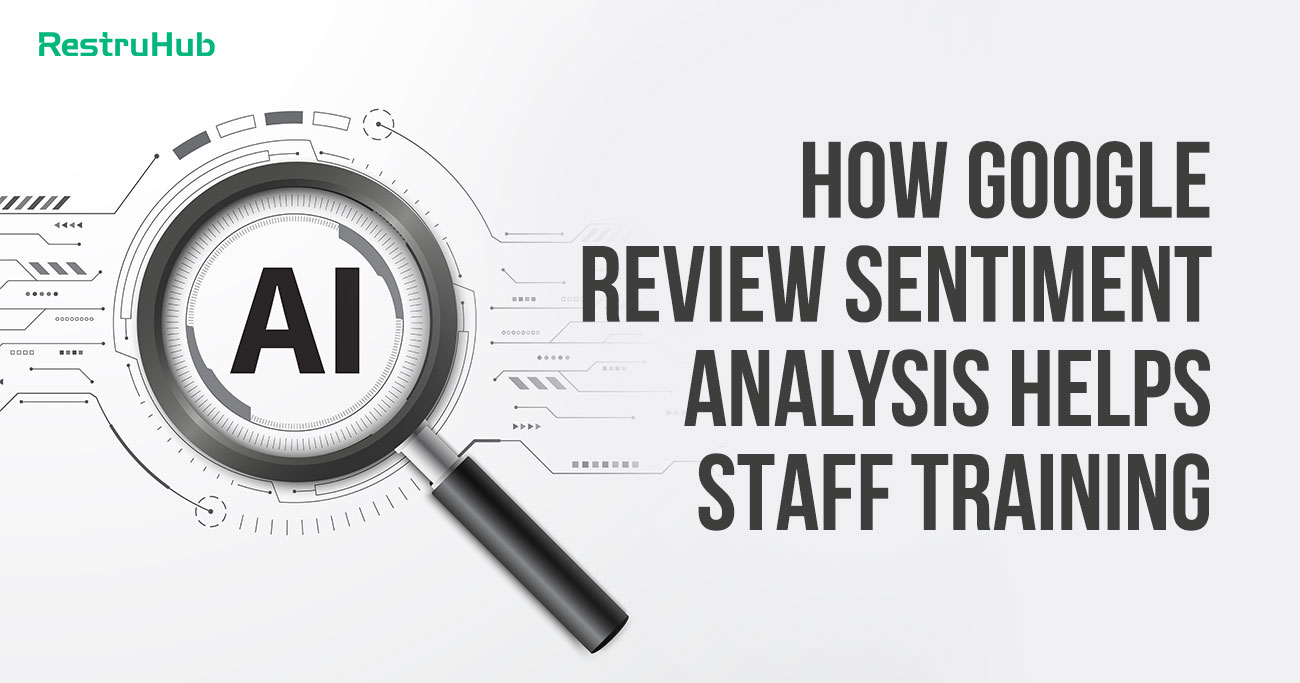
Google review sentiment analysis in staff training refers to using AI to examine customer feedback and understand how guests feel about employee performance. Instead of relying only on internal evaluations, restaurants analyze written reviews to detect emotional signals related to staff behavior, communication, attitude, and service quality.
The system studies language patterns and categorizes feedback into positive, negative, or neutral sentiment. If customers frequently mention friendly service or rude interactions, those patterns become visible. This structured insight helps managers identify training needs more clearly. By connecting customer emotions to staff performance, restaurants can design focused training programs that address real service gaps and improve overall customer satisfaction.
Why Do Customer Emotions Matter for Staff Performance?
Customer emotions provide direct insight into how staff performance is perceived in real situations. While internal evaluations measure procedures and efficiency, customer feedback reveals how service actually feels. Emotional reactions often reflect the true impact of staff behavior.
Emotions Reflect Real Service Experience
Customers describe their experiences based on how they felt during their visit. A guest who feels welcomed, respected, and valued is more likely to leave positive feedback. On the other hand, feelings of frustration or neglect usually point to service gaps. These emotions reveal whether staff interactions are creating comfort or dissatisfaction. Understanding these emotional signals helps managers evaluate performance beyond technical tasks.
Emotional Feedback Highlights Behavior Patterns
Repeated emotional comments often indicate consistent staff behavior. If multiple reviews mention friendly and attentive service, it reflects strong communication skills within the team. However, recurring complaints about rude responses or slow attention suggest areas that require improvement. Emotional trends help managers identify patterns that may not be visible through internal observation alone.
Emotions Influence Customer Loyalty
Positive emotions encourage repeat visits and word of mouth recommendations. When customers feel appreciated and well treated, they are more likely to return. Negative emotions, even from small incidents, can discourage future visits. Staff performance directly shapes these emotional outcomes. Recognizing how behavior affects loyalty helps restaurants prioritize training that strengthens long term customer relationships.
Emotional Signals Support Targeted Training
Generic training programs may not address real service gaps. Emotional feedback pinpoints specific weaknesses, such as communication tone, problem handling, or attentiveness. When managers understand exactly what customers feel, they can design more focused training sessions. This approach makes staff development more practical and effective.
Emotions Impact Overall Brand Perception
Every staff interaction contributes to the restaurant’s brand image. Positive emotional experiences build trust and reputation. Negative emotions spread quickly through online reviews. By paying attention to customer feelings, restaurants ensure that staff performance aligns with the brand promise and service standards they aim to deliver.
How Does Sentiment Analysis Identify Service Gaps?
Service gaps often appear in customer feedback before they become major operational problems. Sentiment analysis helps restaurants detect these gaps by examining emotional patterns in Google reviews and connecting them to specific service areas.
Breaking Feedback Into Service Categories
Sentiment analysis does not treat every review as one general opinion. It separates feedback into categories such as staff behavior, waiting time, communication, and order accuracy. By organizing reviews this way, the system can clearly show which service areas receive negative or positive emotional reactions. This structured breakdown makes it easier to identify weaknesses that require attention.
Detecting Repeated Negative Emotions
One isolated complaint may not indicate a serious issue. However, when multiple reviews express frustration about the same service element, it signals a pattern. Sentiment analysis groups similar emotional expressions together. If guests frequently mention being ignored or waiting too long for assistance, the system highlights these recurring concerns. This early detection allows management to address issues before they impact overall ratings.
Measuring Emotional Intensity
Not all complaints carry the same weight. Some reviews show mild dissatisfaction, while others reflect strong frustration. Sentiment analysis evaluates the intensity of emotional language to understand how serious the service gap may be. Strong negative emotions often indicate deeper operational or behavioral problems. Recognizing intensity helps prioritize which issues require immediate training or process adjustments.
Connecting Emotions to Staff Performance
Customer emotions are often directly linked to staff actions. Words like “rude,” “helpful,” “attentive,” or “unprofessional” provide clear signals about team behavior. Sentiment analysis connects these emotional cues to staff performance categories. This allows managers to see whether service gaps are related to communication skills, response time, or attitude.
Tracking Improvements Over Time
Once changes are implemented, sentiment analysis continues to monitor emotional feedback. If negative comments decrease and positive reactions increase, it shows that service improvements are working. Tracking these shifts over time helps restaurants measure the effectiveness of staff training and operational adjustments with greater clarity.
What Training Areas Can Be Improved Through Emotional Feedback?
Customer emotions provide clear direction on where staff development is needed. Instead of guessing training priorities, restaurants can use emotional feedback from reviews to focus on areas that directly impact guest experience.
Communication and Interaction Skills
Many reviews mention how staff speak, respond, and interact with guests. Emotional feedback often highlights whether employees sound polite, welcoming, or dismissive. If customers frequently express frustration about tone or attitude, communication training becomes essential. Improving greeting style, listening skills, and respectful responses can significantly enhance overall service perception.
Speed and Responsiveness
Waiting time is one of the most common emotional triggers in restaurant reviews. Customers may feel ignored if service is slow or inattentive. Emotional feedback about delays or lack of attention signals the need for efficiency training. Staff can be trained to manage time better, prioritize tasks, and check in with guests more consistently.
Problem Handling and Conflict Resolution
When something goes wrong, customer emotions become stronger. Reviews often reveal whether staff handled issues calmly and professionally. If guests express dissatisfaction with how complaints were managed, training in conflict resolution and problem solving is necessary. Teaching employees how to respond with empathy and accountability improves guest trust.
Team Coordination and Workflow
Emotional comments sometimes reflect confusion, order mistakes, or inconsistent service. These signals point to gaps in team coordination. Training focused on internal communication and workflow management helps reduce operational errors. Stronger teamwork improves consistency and reduces customer frustration.
Professionalism and Service Standards
Customers frequently comment on overall professionalism, including appearance, attitude, and behavior. Emotional feedback about unprofessional conduct or exceptional courtesy highlights training needs in service standards. Reinforcing expected behavior ensures that staff actions align with the restaurant’s brand image and service goals.
How Can Sentiment Trends Support Ongoing Staff Development?
Staff development should not be a one time effort. Continuous improvement requires regular feedback and clear performance indicators. Sentiment trends provide ongoing emotional data that helps restaurants refine training strategies over time.
Monitoring Performance Beyond One Incident
Single reviews may highlight isolated experiences, but sentiment trends reveal long term patterns. If positive comments about friendliness remain consistent, it indicates stable performance. If frustration about service speed gradually increases, it signals a developing issue. Tracking these emotional shifts allows managers to respond before small concerns become larger operational problems.
Measuring the Impact of Training Programs
After implementing new training sessions, restaurants need a way to measure results. Sentiment trends act as performance indicators. If negative emotional feedback decreases and positive comments increase, it suggests training efforts are effective. On the other hand, unchanged sentiment patterns may signal that adjustments are needed. This data driven approach helps evaluate training outcomes objectively.
Identifying Emerging Skill Gaps
Customer expectations evolve over time. What satisfied guests last year may not meet current standards. Sentiment trends help identify new emotional concerns as they appear. For example, increasing complaints about digital ordering or communication clarity may highlight the need for updated training. Ongoing monitoring ensures that staff development keeps pace with changing customer expectations.
Reinforcing Positive Behaviors
Sentiment analysis does not only focus on negative emotions. Consistent praise for attentiveness, professionalism, or friendliness highlights strengths within the team. Managers can reinforce these behaviors through recognition and encouragement. Positive reinforcement motivates staff and promotes consistent service quality across shifts.
Supporting Data Driven Development Plans
Ongoing staff development becomes more effective when supported by measurable insights. Sentiment trends provide structured emotional data rather than subjective impressions. Managers can design targeted training plans based on recurring themes. This approach ensures that development efforts are aligned with real customer feedback and business goals.
When Should Restaurants Use Sentiment Data for Training Decisions?
Sentiment data becomes most valuable when it is used at the right time. Instead of reacting only to major complaints, restaurants can use emotional insights strategically to guide smarter and more timely training decisions.
When Negative Patterns Start Repeating
One negative review may not require immediate action. However, when similar complaints appear repeatedly, it signals a consistent service gap. If customers frequently mention slow response, unfriendly tone, or order mistakes, sentiment data highlights these patterns clearly. This is the right moment to introduce targeted training before the issue begins affecting overall ratings and reputation.
After Introducing New Staff or Policies
Whenever new employees join or operational policies change, customer emotions often shift. Sentiment data can help evaluate how these changes are being perceived. If reviews show confusion or dissatisfaction after a process update, training adjustments may be needed. Monitoring emotional reactions during transition periods ensures that service standards remain consistent.
When Ratings Begin to Decline
A drop in star ratings often reflects underlying emotional dissatisfaction. Instead of focusing only on the numbers, restaurants should examine sentiment trends to understand the root cause. Emotional data reveals whether the issue relates to staff behavior, communication, or efficiency. Using sentiment insights at this stage helps create focused training rather than broad corrective actions.
During Performance Reviews and Staff Evaluations
Sentiment data can support regular performance assessments. Emotional feedback provides real customer perspectives that complement internal evaluations. If consistent praise or criticism is directed toward certain service aspects, managers can align training goals accordingly. This ensures that development plans are grounded in actual guest experiences rather than assumptions.
When Planning Long Term Service Improvements
Training decisions should not only respond to problems but also support long term growth. Sentiment trends reveal evolving customer expectations. If guests increasingly value personalized interaction or faster service, training programs can adapt to meet those expectations. Using sentiment data proactively helps restaurants stay competitive and continuously improve service quality.
How Does RestruHub Help Restaurants Use Sentiment Insights for Staff Training?
RestruHub helps restaurants turn customer emotions into practical training insights. Its AI powered sentiment analysis scans Google reviews and identifies emotional patterns linked to staff behavior, communication, speed, and professionalism. Instead of manually reviewing each comment, managers can view categorized feedback in a clear dashboard.
RestruHub highlights recurring complaints and positive trends, making it easier to spot service gaps or strengths. If customers frequently mention slow response or praise friendly staff, these signals become visible instantly. Managers can then design focused training sessions based on real customer feedback. By connecting emotional data with operational areas, RestruHub supports continuous staff development and helps restaurants improve service quality with confidence.
FAQs
Can sentiment analysis replace traditional staff performance reviews?
Sentiment analysis should not completely replace traditional performance reviews. Instead, it should complement them. Internal evaluations focus on procedures, teamwork, and operational standards, while sentiment analysis reflects real customer emotions. Combining both provides a more balanced view of staff performance. Emotional insights from reviews highlight how service is perceived, which may differ from internal observations.
How often should restaurants review sentiment data for training updates?
Restaurants should review sentiment data regularly, depending on review volume. For busy locations, weekly or biweekly analysis can help detect early warning signs. Smaller restaurants may review data monthly. Consistent monitoring ensures that training decisions are based on current customer experiences rather than outdated feedback.
Can sentiment insights help reduce staff turnover?
Yes, sentiment insights can support employee development and recognition. When managers identify positive emotional feedback about certain behaviors, they can acknowledge and reward staff efforts. Constructive feedback based on real customer input also helps employees improve specific skills. Clear direction and recognition can improve motivation and reduce frustration, which may lower turnover over time.
Is sentiment analysis useful for training new employees?
Yes, sentiment data can highlight the service standards customers value most. New employees can be trained based on real emotional expectations, such as friendliness, responsiveness, or professionalism. This practical insight helps align training with actual guest preferences from the beginning.
Does sentiment data only highlight negative performance issues?
No, sentiment analysis also identifies positive trends. Repeated praise for attentiveness or courtesy shows strengths within the team. Recognizing these positive patterns helps reinforce good behavior and maintain consistent service quality.
Want to Grow Your Reviews?
Learn how Restuhub helps 500+ businesses automate their Google reviews.
Free Consultation