How To Prioritize Issues Using Google Review Sentiment Analysis
Last Update: 33 weeks ago
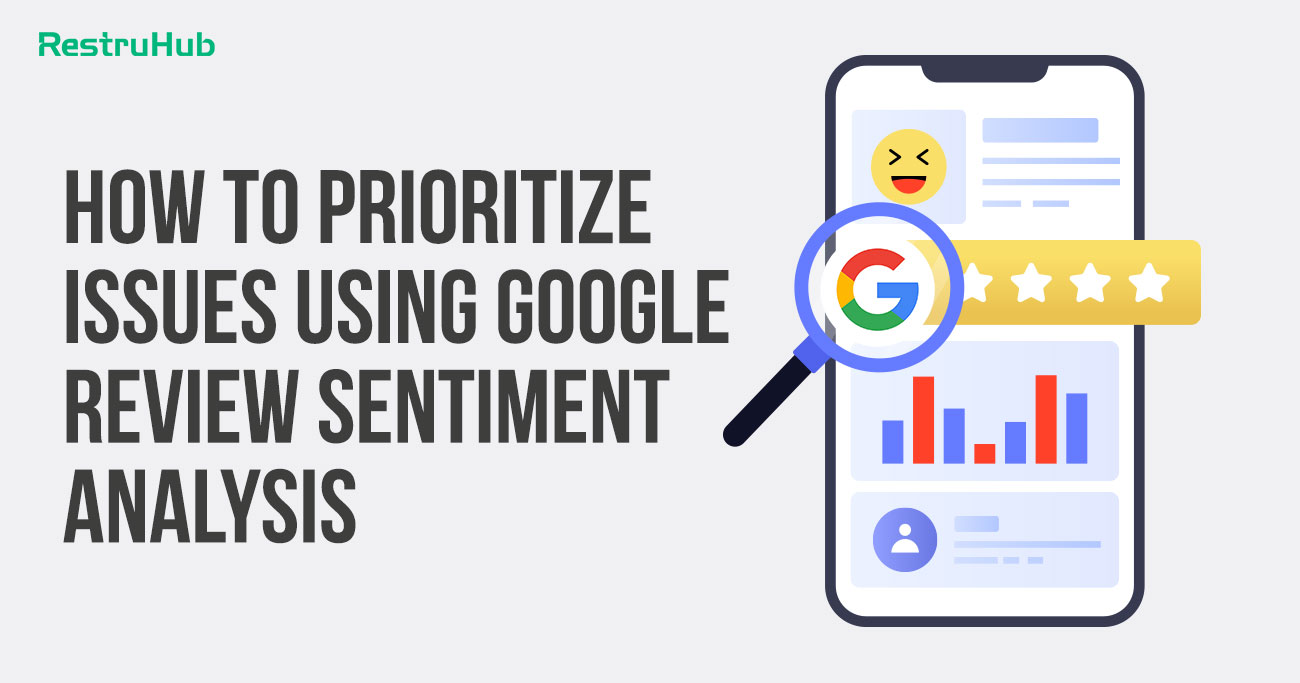
Customer reviews provide valuable insight, but not every complaint requires the same level of attention. Some issues are minor, while others can directly impact reputation and repeat business. The challenge for restaurants is knowing which problems to fix first. Simply reading reviews is not enough when feedback keeps growing.
Google review sentiment analysis helps organize emotional feedback into clear patterns. It identifies recurring concerns, measures emotional intensity, and connects issues to specific operational areas. This makes it easier to separate critical service gaps from less urgent complaints. In this blog, we will explore how restaurants can use sentiment analysis to prioritize issues strategically and focus on improvements that create the biggest impact.
What Is Google Review Sentiment Analysis
Google review sentiment analysis is the process of using artificial intelligence to understand the emotions expressed in customer reviews. Instead of focusing only on star ratings, it examines the written text to determine whether feedback reflects satisfaction, frustration, disappointment, or mixed feelings.
The system analyzes language patterns, keywords, and context to detect emotional tone. It can also categorize feedback into areas such as food quality, service, pricing, or ambiance. By organizing large volumes of reviews into structured insights, sentiment analysis helps restaurants identify patterns and recurring concerns. This allows businesses to move beyond surface level feedback and make informed decisions based on real customer emotions.
Why Prioritizing Customer Feedback Is Important
Customer feedback provides direction for improvement, but not every issue carries the same weight. Without prioritization, restaurants may focus on minor concerns while overlooking critical service gaps that impact reputation and revenue.
Limited Resources Require Smart Focus
Restaurants operate with limited time, staff, and budget. Trying to fix every small complaint at once can create confusion and wasted effort. Prioritizing feedback ensures that management focuses on issues that affect customer satisfaction the most. By identifying high impact problems first, restaurants can allocate resources effectively and avoid spreading attention too thin.
Some Issues Directly Impact Reputation
Certain complaints have a stronger influence on public perception. Repeated negative emotions about rude service or hygiene concerns can damage trust quickly. Minor complaints, such as limited menu variety, may not carry the same urgency. Prioritizing feedback helps restaurants address reputation sensitive issues before they escalate and affect ratings or customer loyalty.
Recurring Problems Signal Deeper Operational Gaps
When the same concern appears repeatedly in reviews, it often indicates a structural issue. For example, consistent frustration about long waiting times may reflect staffing shortages or workflow inefficiencies. Without prioritizing these recurring themes, underlying operational weaknesses may continue unresolved. Addressing root causes improves long term performance and reduces future complaints.
Customer Loyalty Depends on Emotional Impact
Not all complaints influence loyalty equally. Strong negative emotions, such as feeling ignored or disrespected, have a deeper impact than mild dissatisfaction. Prioritizing emotionally intense feedback helps restaurants focus on experiences that truly affect repeat visits. Understanding emotional weight ensures that improvements target what matters most to customers.
Structured Prioritization Supports Strategic Growth
Prioritizing feedback is not only about solving problems. It also helps reinforce strengths. Positive emotional patterns reveal what customers value most. By understanding both strengths and weaknesses, restaurants can build stronger strategies. Structured prioritization supports smarter decision-making and sustainable growth rather than reactive adjustments.
How to Identify High-Impact Negative Sentiment Patterns
Not every negative review carries the same level of impact. Some complaints are minor, while others signal serious service gaps that can harm reputation and customer loyalty. Identifying high impact negative sentiment patterns helps restaurants focus on what truly matters.
Look for Repeated Emotional Triggers
A single complaint about slow service may not indicate a major issue. However, when multiple reviews express frustration about waiting time, it becomes a pattern. High impact negative sentiment often appears consistently across different customers and time periods. Tracking repeated emotional triggers helps identify problems that require immediate attention.
Measure the Intensity of Negative Language
The strength of emotional language matters. Mild dissatisfaction such as “could be better” is different from strong frustration like “worst experience ever.” High impact patterns often include intense words that reflect anger, disappointment, or feeling disrespected. Measuring emotional intensity helps restaurants distinguish between minor concerns and serious service failures.
Identify Issues Linked to Core Service Areas
Negative feedback related to core areas such as staff behavior, food safety, or cleanliness usually carries greater impact. Complaints about these categories directly affect trust and brand perception. When strong negative emotions consistently connect to essential service elements, the issue becomes high priority. Recognizing this link helps restaurants avoid reputation damage.
Track Sudden Changes in Sentiment Trends
A noticeable increase in negative sentiment within a short period may signal a new operational problem. For example, after introducing a new menu or staff schedule change, emotional feedback might shift. Monitoring trends over time allows restaurants to detect sudden declines in customer satisfaction before ratings drop significantly.
Evaluate Customer Behavior Signals
High impact negative patterns often influence customer actions. Reviews mentioning “will not return” or “not recommending” reflect potential revenue loss. These behavioral signals indicate deeper dissatisfaction beyond simple complaints. Paying attention to these expressions helps restaurants identify which issues could affect repeat business and long term growth.
How to Separate Minor Complaints from Critical Issues
Customer reviews often include a mix of small inconveniences and serious concerns. Treating every complaint with equal urgency can waste resources and delay meaningful improvements. Separating minor issues from critical ones helps restaurants respond strategically.
Evaluate the Frequency of the Complaint
A minor issue usually appears occasionally and does not repeat often. For example, a single comment about music being slightly loud may not require immediate action. Critical issues, however, appear consistently across multiple reviews. When several customers mention the same frustration, it signals a larger operational problem. Frequency is one of the strongest indicators of severity.
Measure Emotional Intensity
The tone of the complaint provides valuable clues. Mild dissatisfaction such as “service was a bit slow” suggests a manageable issue. Strong emotional language like “completely ignored” or “extremely rude staff” indicates deeper dissatisfaction. Critical issues often carry intense emotional reactions. Measuring intensity helps determine whether the complaint affects overall customer trust and satisfaction.
Identify Impact on Core Experience
Minor complaints often relate to secondary elements such as decor style or background music. Critical issues usually involve core aspects like food quality, hygiene, staff behavior, or billing accuracy. If a complaint affects safety, respect, or fairness, it should be treated as high priority. Core experience issues have a direct impact on brand reputation.
Assess Potential Business Risk
Some complaints influence customer loyalty more than others. Comments stating “will not return” or “do not recommend” suggest potential revenue loss. Critical issues often discourage repeat visits and damage public perception. Minor complaints may not significantly affect long term loyalty. Evaluating business risk helps prioritize corrective action effectively.
Consider Long Term Consequences
Minor concerns can be adjusted gradually, while critical issues require immediate response. If ignored, serious problems can lower ratings and attract more negative attention. Assessing long term consequences ensures that urgent service gaps are resolved quickly while smaller improvements are scheduled strategically. This balanced approach supports steady and sustainable growth.
How to Categorize Issues by Food, Service, Price, and Ambiance
Organizing customer feedback into clear categories makes prioritization easier. Instead of viewing reviews as general praise or criticism, restaurants can break them down into specific operational areas. Categorizing issues by food, service, price, and ambiance helps identify where improvements are truly needed.
Classifying Feedback Related to Food
Food related feedback usually focuses on taste, freshness, portion size, presentation, or temperature. Comments such as “overcooked steak” or “amazing desserts” clearly connect to kitchen performance. Grouping these emotional signals together helps identify menu strengths and weaknesses. If similar complaints about quality or consistency appear repeatedly, it indicates a need for kitchen process review or recipe adjustment.
Organizing Service Related Concerns
Service feedback often includes comments about staff behavior, attentiveness, communication, and waiting time. Words like “friendly,” “ignored,” or “slow response” highlight how customers felt during interactions. Categorizing these reviews under service allows managers to evaluate team performance clearly. Recurring frustration in this category often signals training or staffing gaps.
Evaluating Price and Value Perception
Price related issues usually reflect customer perception of value rather than cost alone. Comments such as “overpriced for the portion” or “worth every penny” reveal emotional reactions to pricing. By grouping these sentiments together, restaurants can assess whether customers feel they receive fair value. This helps guide pricing strategy and menu positioning decisions.
Reviewing Ambiance and Environment Feedback
Ambiance includes cleanliness, noise level, decor, seating comfort, and overall atmosphere. Emotional comments about crowded spaces or cozy interiors belong in this category. Tracking these signals helps management understand how the physical environment influences customer satisfaction. Improvements in ambiance often enhance overall dining experience.
Connecting Categories to Action Plans
Once feedback is categorized, each area can be assigned specific improvement actions. Kitchen adjustments address food concerns, training improves service issues, pricing review handles value complaints, and layout changes enhance ambiance. This structured approach ensures that emotional insights translate into clear operational steps.
How to Use Sentiment Intensity to Rank Urgency
Not all negative feedback requires immediate action. Some concerns are mild, while others reflect serious dissatisfaction. Sentiment intensity helps restaurants measure how strongly customers feel and rank issues based on urgency rather than volume alone.
Identify Strong Emotional Language
The first step is to recognize the strength of words used in reviews. Phrases like “not bad” suggest mild dissatisfaction, while statements such as “worst experience ever” show intense frustration. Strong emotional language usually signals deeper dissatisfaction. By distinguishing between soft complaints and severe reactions, restaurants can prioritize issues that create stronger negative impressions.
Evaluate the Impact on Customer Trust
High intensity emotions often affect trust and loyalty. Reviews that mention feeling ignored, disrespected, or treated unfairly indicate serious service breakdowns. These emotions go beyond minor inconvenience and can discourage repeat visits. Ranking urgency based on emotional damage helps management address problems that threaten long term customer relationships.
Combine Intensity with Frequency
An issue that appears frequently but carries mild dissatisfaction may require structured improvement over time. However, a less frequent complaint with extreme emotional intensity may need immediate action. Combining emotional strength with repetition provides a balanced view. This approach prevents overreacting to minor concerns while ensuring serious issues are handled quickly.
Detect Language Linked to Business Risk
Certain expressions indicate potential revenue loss. Statements like “will not return” or “telling others to avoid this place” reflect strong negative impact. These signals should be ranked as high urgency even if they appear less often. Emotional intensity tied to customer behavior suggests greater business risk.
Monitor Changes in Intensity Over Time
Sentiment intensity can increase gradually if problems remain unresolved. A shift from mild dissatisfaction to strong frustration signals that the issue is worsening. Tracking emotional escalation helps restaurants act before ratings decline significantly. Using intensity as a ranking factor ensures timely and strategic responses.
How RestruHub Helps Restaurants Prioritize Issues with Sentiment Data
RestruHub helps restaurants prioritize issues by turning scattered Google reviews into structured sentiment insights. Its AI powered system analyzes emotional tone and categorizes feedback into areas such as food, service, price, and ambiance. Instead of manually sorting through comments, managers can instantly see which categories generate the strongest negative emotions.
RestruHub also measures sentiment intensity and highlights recurring patterns. If multiple reviews express strong frustration about waiting time or staff behavior, those issues are flagged as high priority. At the same time, minor concerns with low emotional impact can be addressed gradually. By combining frequency and emotional strength in one clear dashboard, RestruHub enables restaurants to focus on the most urgent problems first and make smarter operational decisions.
FAQs
How does sentiment analysis help prioritize customer complaints?
Sentiment analysis evaluates both the emotional tone and frequency of feedback. Instead of treating every complaint equally, it highlights recurring issues and measures emotional intensity. Strong negative emotions combined with repetition signal high priority concerns. This structured approach helps restaurants focus on problems that directly impact customer satisfaction and reputation.
Should restaurants fix the most frequent issue first?
Not always. Frequency is important, but emotional intensity also matters. A frequent but mild complaint may require gradual improvement, while a less frequent issue with strong negative emotions may demand immediate action. Prioritization works best when both repetition and emotional strength are considered together.
Can minor complaints become serious over time?
Yes, minor complaints can grow into larger issues if ignored. For example, occasional comments about slow service may turn into widespread dissatisfaction if the root cause is not addressed. Monitoring sentiment trends helps detect when small concerns begin to increase in frequency or intensity.
How often should restaurants review sentiment data for prioritization?
Restaurants should review sentiment data regularly based on review volume. High traffic restaurants may analyze feedback weekly, while smaller operations may review it monthly. Consistent monitoring ensures that urgent issues are identified early and addressed before they affect overall ratings.
Does prioritizing issues improve overall ratings?
Yes, addressing high impact emotional concerns often leads to improved customer experiences. When restaurants resolve core service gaps, positive feedback increases and negative emotions decrease. Over time, this balanced improvement supports stronger ratings and better reputation performance.
Want to Grow Your Reviews?
Learn how Restuhub helps 500+ businesses automate their Google reviews.
Free Consultation