The Impact of Google Reviews on the Restaurant Market
Last Update: 34 weeks ago
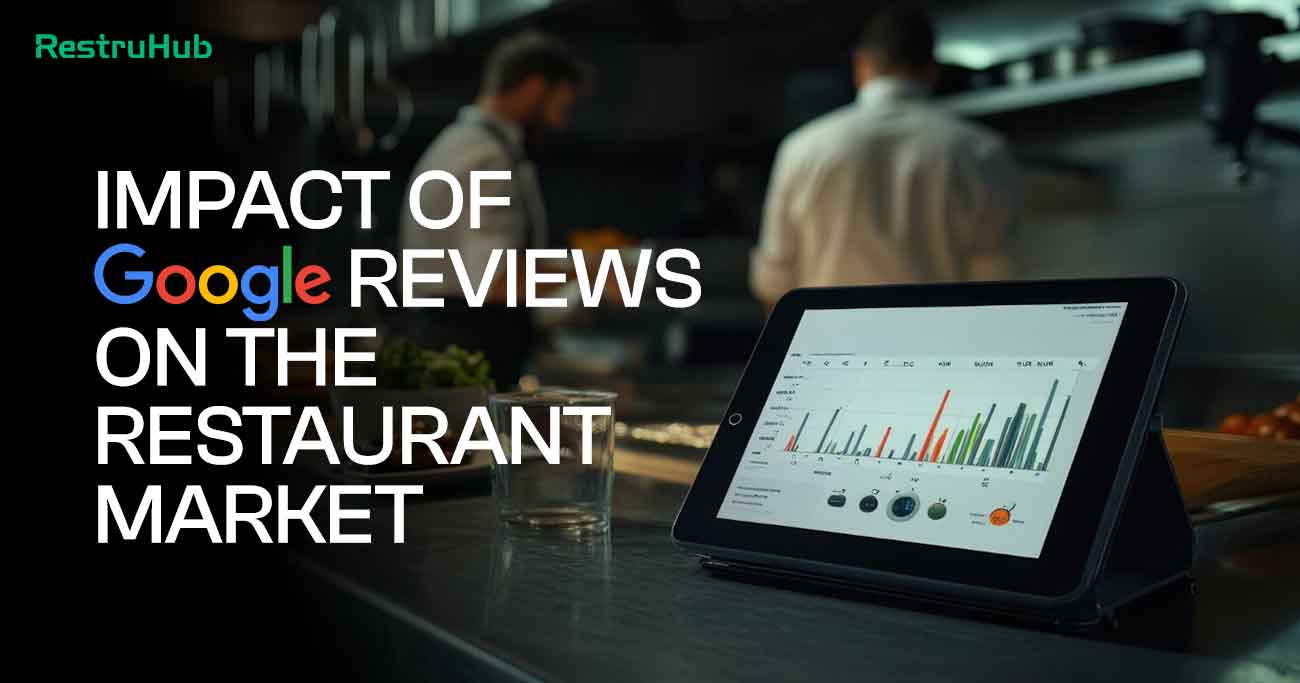
Google reviews play a huge role in how people choose restaurants today. Before visiting a place, most customers check ratings and read recent reviews. A few comments can shape first impressions and influence trust. For restaurants, this means reviews are more than feedback. They directly affect visibility, reputation, and foot traffic.
Positive reviews help attract new customers. Negative or ignored reviews can quietly push people away. Many diners also pay attention to how a restaurant responds. A thoughtful reply shows care and professionalism. Over time, these small signals shape how a brand is perceived.
Understanding the impact of Google reviews helps restaurant owners make better decisions. It allows them to protect their reputation, build trust with future customers, and stay competitive in a crowded market.
How Google Reviews Impact the Restaurant Market
Google reviews influence how restaurants compete, grow, and survive. From visibility to customer trust, reviews shape market behavior and customer expectations across the entire restaurant industry.
Reviews Decide Which Restaurants Get Noticed First
Most customers begin with a Google search when choosing where to eat. Restaurants with strong ratings and active reviews appear higher in search results and Maps, gaining more exposure.
Visibility creates momentum. Restaurants seen first attract more clicks, calls, and visits. Less visible restaurants struggle even when food quality is good. Reviews quietly control attention in crowded markets.
Customer Trust Is Built Before Anyone Walks In
Reviews shape perception long before a visit happens. Star ratings and recent feedback help customers judge reliability within seconds.
Trust grows when people see consistent experiences shared by others. Restaurants without reviews or with poor engagement feel risky. Market preference shifts toward businesses that appear trusted and proven.
Reviews Influence Pricing and Perceived Value
Customer feedback affects how people judge value for money. Higher rated restaurants often justify premium pricing because trust reduces price sensitivity.
Lower rated restaurants face pressure to discount or compete on price. Reviews influence perceived quality, which directly impacts how customers compare value across options.
Competition Becomes Reputation Driven
The restaurant market has become reputation focused. Food quality alone no longer decides success.
Restaurants compete on public perception shaped by reviews. Consistent positive feedback creates advantage. Negative patterns weaken position. Reviews become a competitive asset rather than background noise.
Reviews Shape Customer Expectations and Behavior
Customers arrive with expectations formed by reviews. Feedback about portion size, service speed, and atmosphere sets mental benchmarks.
Meeting expectations leads to satisfaction. Falling short leads to disappointment. Reviews guide behavior on both sides and influence repeat visits and loyalty.
Active Review Management Separates Leaders From Others
Restaurants that monitor and respond to reviews perform better in competitive markets. Engagement signals care and professionalism.
Consistent responses build stronger relationships and attract more feedback. Market leaders treat reviews as part of daily operations. Others fall behind by reacting late or ignoring feedback entirely.
How Google Reviews Influence Customer Trust and Dining Decisions
Google reviews play a major role in how customers judge restaurants and decide where to eat. From first impressions to final choices, reviews shape trust and influence dining behavior at every step.
First Impressions Are Formed in Seconds
Customers often see Google reviews before anything else. Star ratings and short snippets create an instant opinion, even before opening a restaurant’s website.
A strong first impression increases interest. A weak one creates hesitation. Many dining decisions are made within seconds based on this initial review glance, especially for new or unfamiliar restaurants.
Social Validation Reduces Decision Anxiety
Choosing a restaurant involves risk. Customers want reassurance that others had good experiences.
Google reviews provide that reassurance through shared opinions. Seeing many people recommend a place reduces anxiety and makes customers feel confident about their choice. Social validation turns uncertainty into comfort.
Review Details Shape Expectations Before Arrival
Customers read reviews to understand what to expect. Comments about food quality, portion size, service speed, and atmosphere set mental expectations.
Clear expectations influence satisfaction. When experiences match what reviews describe, trust increases. When expectations are unmet, disappointment follows. Reviews guide how customers mentally prepare for a visit.
Negative Feedback Receives Extra Attention
Customers naturally focus more on negative reviews than positive ones. Complaints feel important because they signal potential problems.
One detailed negative review can outweigh several positive ones if left unaddressed. Customers use negative feedback to assess risk and decide whether issues are acceptable or avoidable.
Responses Influence How Feedback Is Interpreted
Customers do not judge reviews alone. They also notice how restaurants respond to them.
Professional and respectful replies build confidence. Responses show accountability and care. Even critical reviews feel less damaging when handled properly. Engagement changes how feedback is perceived.
Reviews Directly Affect Final Dining Choices
When comparing similar restaurants, reviews often become the deciding factor. Higher ratings, recent feedback, and active engagement tip the balance.
Customers choose restaurants that feel trusted, popular, and responsive. In many cases, Google reviews make the final decision before menus or promotions are considered.
The Psychological Effect of Reviews on Consumer Behavior
Online reviews have a strong psychological effect on how consumers think, feel, and act. When people search for a restaurant, reviews become a shortcut for judging quality, safety, and reliability without direct experience.
Reviews reduce uncertainty. Consumers feel more confident when others share similar experiences, which lowers the perceived risk of making a wrong choice. Positive reviews create reassurance, while negative reviews trigger caution and closer evaluation.
Emotion plays a key role. Praise builds anticipation and excitement, while criticism creates concern. Negative feedback often feels more powerful because people naturally focus on potential loss more than gain. This emotional response shapes memory and decision making.
Social influence also matters. Consumers tend to follow choices made by the majority, especially in unfamiliar situations. High ratings and many reviews signal popularity and acceptance, encouraging imitation.
Review responses influence behavior as well. When businesses reply calmly and respectfully, trust increases. Consumers interpret engagement as care and professionalism.
Together, reviews shape expectations, emotions, and confidence. They influence where people choose to spend money and how satisfied they feel after the experience, making reviews a powerful driver of consumer behavior.
Google Reviews and Their Direct Impact on Restaurant Revenue
Google reviews have a direct impact on restaurant revenue by influencing visibility, trust, and customer decisions. When people search for places to eat, reviews often determine which restaurant they choose and how much they are willing to spend.
Higher ratings attract more customers. Restaurants with strong reviews appear more often in local search and Google Maps, leading to more clicks, calls, and visits. Increased visibility brings higher foot traffic, which directly supports revenue growth.
Reviews also affect perceived value. Customers tend to trust highly rated restaurants and are more comfortable paying premium prices. Positive feedback reduces price sensitivity because customers feel confident about the experience they will receive.
Negative reviews can reduce revenue when left unmanaged. Unanswered complaints create doubt and push customers toward competitors. Even a small drop in rating can impact demand in competitive markets.
Professional responses help protect revenue. Thoughtful replies reassure customers and prevent potential losses. Over time, active review management strengthens reputation, increases customer loyalty, and supports consistent revenue growth.
How Restaurants Lose Customers by Ignoring Google Reviews
Ignoring Google reviews quietly pushes customers away. Many restaurant owners focus on daily operations and overlook reviews, not realizing how strongly silence affects trust, perception, and customer decisions.
Customers Assume the Restaurant Does Not Care
When reviews receive no response, customers often assume feedback is ignored. Silence feels like indifference, even if the restaurant provides good service in person.
Potential diners read unanswered reviews and question whether concerns will be taken seriously. Lack of response creates emotional distance and weakens confidence before a visit ever happens.
Negative Reviews Shape the Story Alone
Unanswered negative reviews control the narrative. Customers read complaints without seeing the restaurant’s side of the story.
One unresolved issue can feel bigger than many positive experiences. Without a response, concerns appear accepted or unresolved. Customers may choose competitors who appear more attentive and responsible.
Trust Drops Before the First Visit
Trust is built through visible interaction. When reviews remain unanswered, trust weakens.
Customers rely on reviews to judge reliability. Restaurants that do not engage feel risky, especially to first time visitors. Lower trust often leads customers to skip the restaurant entirely.
Review Activity Influences Visibility and Choice
Google favors active profiles. Ignored reviews reduce engagement signals that support local visibility.
Lower engagement can result in fewer impressions and clicks. Less visibility leads to fewer customers discovering the restaurant. Over time, ignored reviews reduce both awareness and choice.
Loyal Customers Feel Unappreciated
Customers who leave positive reviews expect acknowledgement. Ignoring praise makes loyal guests feel unrecognized.
Lack of appreciation discourages repeat visits and future reviews. Customers who feel valued are more likely to return and recommend the restaurant. Silence breaks that emotional connection and weakens long term loyalty.
Best Practices for Managing and Responding to Google Reviews
Managing Google reviews properly helps restaurants protect their reputation, improve visibility, and build long-term customer trust. Reviews are public conversations, and how they are handled directly influences perception and customer behavior.
Monitor Reviews Regularly
Google reviews can appear at any time, not just during business hours. Regular monitoring helps restaurants stay aware of new feedback and respond before issues grow.
Daily review checks prevent missed feedback and reduce response delays. Awareness allows owners and managers to address concerns early and acknowledge positive experiences on time. Consistent monitoring turns review management into a routine instead of a reactive task.
Respond Quickly and Politely
Response timing strongly affects how customers interpret care and professionalism. Faster replies show attentiveness and respect.
Polite and calm language keeps communication constructive. A respectful tone helps ease frustration and reinforces trust. Even short responses feel meaningful when delivered promptly and politely. Speed combined with courtesy leaves a positive impression on both reviewers and future customers reading the exchange.
Personalize Every Response
Personalization makes responses feel genuine. Mentioning a specific detail from the review or addressing the customer directly shows real attention.
Generic replies often feel automated and distant. Personalized responses strengthen emotional connection and demonstrate care. Customers are more likely to return and engage again when they feel acknowledged as individuals rather than transactions.
Handle Negative Reviews With Care
Negative reviews require thoughtful handling. Calm acknowledgment of concerns helps reduce tension and protects reputation.
Avoid defensive or emotional language. Apologizing when appropriate and explaining steps for improvement builds credibility. Readers often judge restaurants more by how complaints are handled than by the complaint itself. Proper responses can turn criticism into reassurance for future customers.
Respond to Positive Reviews Consistently
Positive reviews deserve attention as well. Thanking customers reinforces appreciation and encourages loyalty.
Acknowledging praise motivates customers to leave more reviews and return again. Consistent engagement with positive feedback strengthens relationships and shows that all customer experiences matter, not just problems.
Maintain a Consistent Tone and Brand Voice
Consistency across responses builds a professional image. Similar tone, structure, and language create familiarity and trust.
Inconsistent replies can confuse customers and weaken brand perception. A steady approach helps restaurants appear reliable and well managed, even when multiple team members handle reviews.
Learn From Review Patterns
Reviews provide valuable insight beyond ratings. Repeated comments about food, service, or wait times reveal patterns.
Using this feedback to guide improvements shows customers that opinions lead to action. Continuous learning from reviews supports better experiences and stronger future feedback.
Following these best practices helps restaurants manage Google reviews confidently. Thoughtful engagement, consistency, and attention turn reviews into a powerful tool for trust, visibility, and long-term growth.
The Future of Google Reviews in the Restaurant Industry
Google reviews are becoming more than feedback. They are shaping how restaurants compete, communicate, and grow in an increasingly digital market.
Reviews Will Play a Bigger Role in Discovery
Customers are relying more on Google to find restaurants nearby. Reviews already influence visibility, and their role in discovery will continue to grow.
Restaurants with active and well managed reviews will appear more often in search and Maps. Discovery will favor businesses that show ongoing customer interaction and real experiences.
Response Speed Will Matter More Than Ever
Customers expect quick acknowledgment. Delayed responses will feel outdated as real time communication becomes normal.
Faster replies will signal professionalism and care. Restaurants that respond promptly will stand out as attentive and trustworthy in competitive markets.
Review Content Will Shape Expectations More Strongly
Customers are reading reviews more carefully. Detailed feedback about food, service, and atmosphere will guide expectations before visits.
Restaurants that align experiences with review expectations will benefit. Clear and consistent feedback will reduce disappointment and increase satisfaction.
Trust Signals Will Influence Long Term Loyalty
Trust built through reviews will extend beyond first visits. Customers will continue returning to restaurants that manage feedback transparently.
Ongoing engagement will strengthen loyalty. Reviews will support lasting relationships rather than one time decisions.
Technology Will Change How Reviews Are Managed
Managing reviews manually will become harder as volume grows. Tools that organize, notify, and assist responses will become essential.
Restaurants that adopt structured review management will stay competitive. The future favors businesses that treat reviews as a core part of daily operations rather than an afterthought.
How RestruHub Helps Restaurants Turn Google Reviews into Growth Assets
RestruHub helps restaurants move beyond simply collecting Google reviews and start using them as real growth assets. Instead of scattered feedback and delayed responses, all reviews are organized in one clear dashboard, making it easy to track activity and stay consistent.
Instant WhatsApp alerts ensure new reviews are seen at the right time, especially critical or emotional feedback that needs quick attention. Faster responses help protect trust and keep engagement high. AI-assisted reply suggestions reduce effort while maintaining a natural, professional tone that aligns with customer expectations.
By improving response speed, consistency, and visibility, RestruHub strengthens trust, supports local SEO, and encourages more customer interaction. Reviews stop being passive comments and become an active tool that drives reputation, customer confidence, and long-term restaurant growth.
FAQs
Does Using a Review Management Tool Really Increase Restaurant Growth?
Yes. Growth comes from consistency, speed, and visibility. A structured system helps restaurants respond faster, stay active on Google, and build stronger trust signals that influence customer choice and repeat visits.
Can Faster Review Responses Actually Improve Customer Loyalty?
Yes. Quick responses make customers feel heard and valued. Timely acknowledgment strengthens emotional connection and increases the chance that customers return and recommend the restaurant to others.
How Do Google Reviews Become Long Term Business Assets?
Reviews become assets when they are managed consistently. Over time, strong engagement improves trust, visibility, and decision making. Reviews continue influencing customers long after they are posted.
Does Organizing Reviews in One Place Make a Real Difference?
Yes. Centralized review management reduces missed feedback and mental overload. Better organization leads to more consistent responses and improved engagement, which supports long term reputation and growth.
Can AI Assisted Replies Still Feel Personal to Customers?
Yes. When AI suggestions are reviewed and adjusted by humans, replies remain natural and thoughtful. Customers care more about tone and acknowledgment than who typed the first draft.
Why Do Some Restaurants Benefit More From Reviews Than Others?
Restaurants that treat reviews as part of daily operations gain more value. Regular monitoring, thoughtful responses, and learning from feedback turn reviews into a competitive advantage rather than background noise.
Want to Grow Your Reviews?
Learn how Restuhub helps 500+ businesses automate their Google reviews.
Free Consultation