Common Restaurant Complaints Found in Google Reviews
Last Update: 24 weeks ago
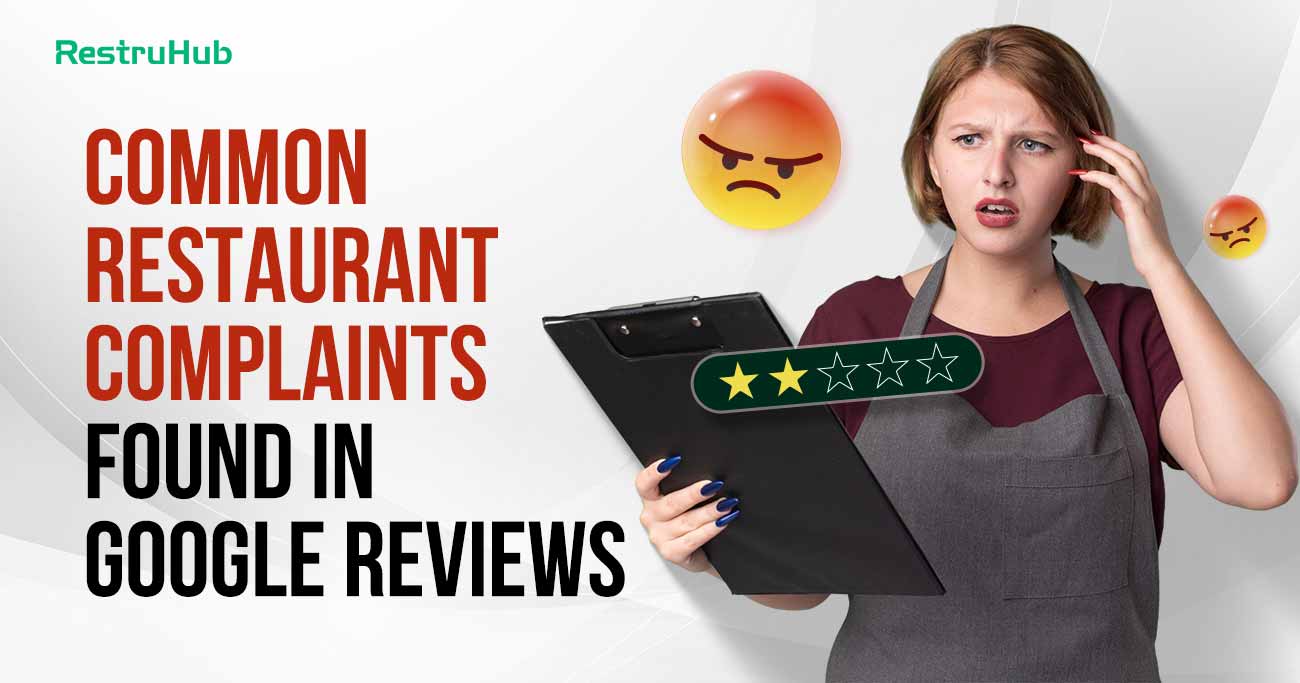
Online reviews often reveal what customers really experience at restaurants. Google reviews highlight recurring issues that affect satisfaction, trust, and repeat visits. Many complaints are not about food alone. Service, cleanliness, and communication often play a big role in how customers feel after a visit.
Reading common complaints helps restaurant owners understand patterns they may miss day to day. Reviews reflect real expectations and frustrations shared publicly. Paying attention to these complaints offers valuable insight into what drives negative feedback. Recognizing these issues early helps restaurants improve operations, protect reputation, and create better experiences for future customers.
Why Google Reviews Reveal Real Restaurant Problems
Google reviews capture honest experiences shared by real customers. These reviews highlight issues that often stay hidden inside daily operations and reveal patterns that directly affect reputation and performance.
Customers Speak More Honestly Online
Many customers avoid complaining in person. Online reviews feel safer and more comfortable. People share what they truly felt after leaving the restaurant. Frustration, disappointment, or satisfaction comes out more clearly. Honest feedback appears without pressure from staff or managers. That honesty makes reviews a reliable source of insight. Problems that seem small internally often feel big to customers. Reviews reveal those emotional reactions.
Patterns Appear Across Multiple Reviews
One complaint can be ignored. Repeated complaints signal a real problem. Google reviews help identify patterns over time. Similar issues around service, wait times, or food quality often show up again and again. Patterns reveal operational weaknesses. Owners can see what customers experience consistently. These repeated signals point to areas that need attention. Patterns matter more than individual opinions.
Reviews Reflect Expectations, Not Intentions
Restaurants may believe good service is provided. Customers judge based on expectations. Reviews show where expectations are not met. Even well intentioned efforts can fall short. Reviews reveal the gap between what is offered and what is experienced. That gap often explains dissatisfaction. Understanding expectations helps improve alignment. Reviews act as a mirror of customer standards.
Feedback Covers the Full Experience
Google reviews often mention more than food. Customers talk about greetings, cleanliness, noise, payment, and parking. The entire visit gets evaluated. Small details influence overall satisfaction. Reviews highlight issues across the full journey. Many problems occur outside the kitchen. These insights help owners see the experience from start to finish. Holistic feedback exposes overlooked areas.
Public Visibility Increases Accuracy
Knowing feedback is public changes how customers write. People tend to be clear and detailed. Public reviews feel meaningful and impactful. Customers explain issues carefully to warn others. That clarity helps identify exact problems. Vague complaints appear less often than specific ones. Public visibility encourages thoughtful feedback. Detailed reviews provide actionable insight for improvement.
Common Restaurant Complaints
Customer complaints in Google reviews often follow clear patterns. These issues appear repeatedly across different restaurants and locations. Understanding them helps identify what frustrates diners most during real visits.
Slow Service and Long Wait Times
Slow service is one of the most common complaints in restaurant reviews. Customers often mention waiting too long to be seated, served, or billed. Long waits create frustration, especially during busy hours when expectations are already high. Many diners understand delays happen, but lack of communication makes the experience worse. Silence during waiting periods increases irritation.
Reviews frequently mention staff appearing overwhelmed or disorganized. Delays between ordering and food arrival leave customers feeling ignored. Families and working professionals feel this issue more strongly due to time constraints. Even good food struggles to compensate for excessive waiting. Slow service often becomes the main memory of the visit and discourages repeat business.
Poor Staff Attitude and Customer Service Issues
Customer service heavily influences overall satisfaction. Reviews often mention rude behavior, lack of attention, or unhelpful staff responses. Poor attitude leaves a lasting impression even when food quality is decent. Customers expect politeness, patience, and basic respect during interactions.
Common complaints include staff ignoring tables, speaking harshly, or appearing uninterested. Lack of eye contact or slow responses make guests feel unwelcome. Mistakes handled without empathy often escalate frustration. Reviews reflect emotional reactions more than technical errors. Poor service creates negative stories that customers share publicly, damaging trust and reputation.
Food Quality and Consistency Complaints
Food quality remains a central focus in restaurant reviews. Customers often complain when dishes do not match expectations. Common issues include bland taste, overcooked food, cold meals, or poor presentation. One bad dish can shape the entire review.
Consistency matters just as much as quality. Customers expect similar taste and portion size on every visit. Reviews frequently mention disappointment when a favorite item changes. Inconsistent experiences reduce confidence and loyalty. Customers may forgive one mistake, but repeated inconsistency leads to negative reviews. Food complaints directly affect credibility and return visits.
Cleanliness and Hygiene Concerns
Cleanliness strongly affects how customers feel inside a restaurant. Google reviews often mention dirty tables, sticky floors, or unclean restrooms. These details immediately lower confidence. Even great food cannot offset a space that feels unhygienic. Customers expect a clean environment as a basic standard, not a bonus.
Hygiene concerns also create fear about food safety. Reviews may mention visible kitchen mess, unclean utensils, or poor staff hygiene. Such comments raise serious doubts. Customers often connect cleanliness with professionalism and care. A single bad observation can lead to assumptions about overall food handling. These concerns spread fast through reviews and discourage first time visitors.
Order Accuracy and Mistakes
Order mistakes appear frequently in restaurant reviews. Customers complain about missing items, wrong dishes, or incorrect modifications. These errors frustrate diners, especially when dietary needs are involved. Accuracy matters because customers trust restaurants to get simple details right.
Reviews often describe staff handling mistakes poorly. Slow corrections or defensive responses increase dissatisfaction. Some customers mention paying for items never received. Others feel uncomfortable asking for fixes. Repeated order issues suggest deeper operational problems. Over time, customers lose patience and stop returning. Order accuracy directly impacts trust, satisfaction, and willingness to recommend the restaurant.
Pricing, Value, and Portion Size Complaints
Pricing complaints often appear when customers feel the experience does not match the cost. Reviews mention food being overpriced for the quality or portion size served. Customers usually accept higher prices when value feels clear. Problems arise when portions feel small or quality feels inconsistent.
Many reviews compare price with nearby competitors. Diners notice when similar restaurants offer more for less. Perceived value matters more than actual price. Customers feel disappointed when expectations are not met. Even good food can feel unsatisfying if portions seem unfair. Over time, value concerns reduce repeat visits and recommendations.
Noise, Ambience, and Seating Problems
Ambience plays a major role in overall comfort. Google reviews often mention loud music, crowded layouts, or uncomfortable seating. Excessive noise makes conversation difficult. Customers may leave feeling tired or irritated rather than relaxed.
Seating issues also appear frequently. Reviews mention cramped tables, poor spacing, or uncomfortable chairs. Ambience sets the mood for the entire visit. When atmosphere feels chaotic or poorly planned, the experience suffers. Customers may tolerate minor issues once, but repeated discomfort leads to negative feedback. Atmosphere problems affect how long guests stay and whether they return.
How Restaurants Can Use Google Reviews to Fix These Complaints
Google reviews provide clear signals about what customers experience. When used correctly, feedback becomes a practical guide for fixing problems, improving service, and creating better dining experiences.
Identify Patterns Instead of Isolated Complaints
Single reviews can be misleading. Multiple reviews mentioning the same issue point to real problems. Patterns around slow service, food quality, or cleanliness reveal where attention is needed. Reading reviews regularly helps spot trends early. Patterns show what affects customers most. Focusing on repeated feedback leads to meaningful improvements.
Turn Negative Feedback into Action Steps
Negative reviews highlight specific pain points. Comments often mention exact moments that caused frustration. Those details help create clear action steps. Teams can adjust staffing, workflows, or training based on feedback. Fixing one issue often improves several experiences. Using reviews as guidance turns criticism into progress.
Respond Publicly to Build Trust
Public responses show accountability. Customers notice when restaurants acknowledge mistakes. Calm replies reduce the impact of negative feedback. Responses also reassure future readers. Honest communication builds trust even when issues occur. Engagement signals care and professionalism.
Use Reviews for Staff Training
Reviews reveal how staff behavior affects customers. Comments about attitude or attentiveness help guide training. Real examples feel more relatable than general rules. Teams understand expectations better through customer language. Feedback helps reinforce good behavior and correct weak areas.
Monitor Improvements Over Time
Changes should reflect in future reviews. Monitoring feedback helps measure progress. Fewer complaints signal improvement. Positive comments confirm successful changes. Ongoing review analysis keeps standards high. Continuous attention prevents problems from returning.
How RestruHub Helps Restaurants Identify and Address Common Complaints
RestruHub helps restaurants turn Google reviews into clear improvement signals. The platform gathers reviews in one place so no feedback gets missed. Owners can quickly see repeated complaints and spot real problem areas. This makes it easier to act before issues grow bigger.
RestruHub supports human toned responses that feel calm and respectful. Customers see care instead of generic replies. Public engagement builds trust and reduces the impact of negative feedback. The system also highlights trends in service, food, and cleanliness so teams know where to focus.
By using review insights, restaurants can improve staff training, service flow, and customer experience. Consistent review management helps protect reputation, improve operations, and keep customers coming back.
FAQs
Can Google Reviews Help Identify Problems Before They Get Serious?
Yes, Google reviews often reveal early warning signs. Small complaints about wait times or service tone usually appear before bigger reputation issues develop. Catching patterns early helps restaurants act faster.
Do Restaurants Need To Respond To Every Review?
Yes, responding to most reviews builds stronger trust. Even short replies show attention and care. Consistent engagement matters more than long explanations.
Can Positive Reviews Be Used To Improve Operations?
Positive reviews highlight what customers love most. Those details help restaurants repeat successful practices. Strengths can guide training and service standards just as much as complaints.
Does Review Feedback Reflect All Customer Experiences?
No, not every customer leaves a review. Still, reviews represent strong opinions and repeated patterns. When many people mention the same issue, it usually reflects a real experience gap.
How Often Should Review Feedback Be Analyzed?
Regular analysis works best. Weekly or biweekly review checks help track changes and improvements. Consistent review habits prevent issues from being overlooked.
Are Google Reviews Useful For Staff Motivation?
Yes, sharing positive feedback boosts morale. Staff feel valued when customers praise service or food. Constructive feedback also helps teams understand expectations and improve performance.
Want to Grow Your Reviews?
Learn how Restuhub helps 500+ businesses automate their Google reviews.
Free Consultation