Google Review Management Software For Startups Restaurants
Last Update: 24 weeks ago
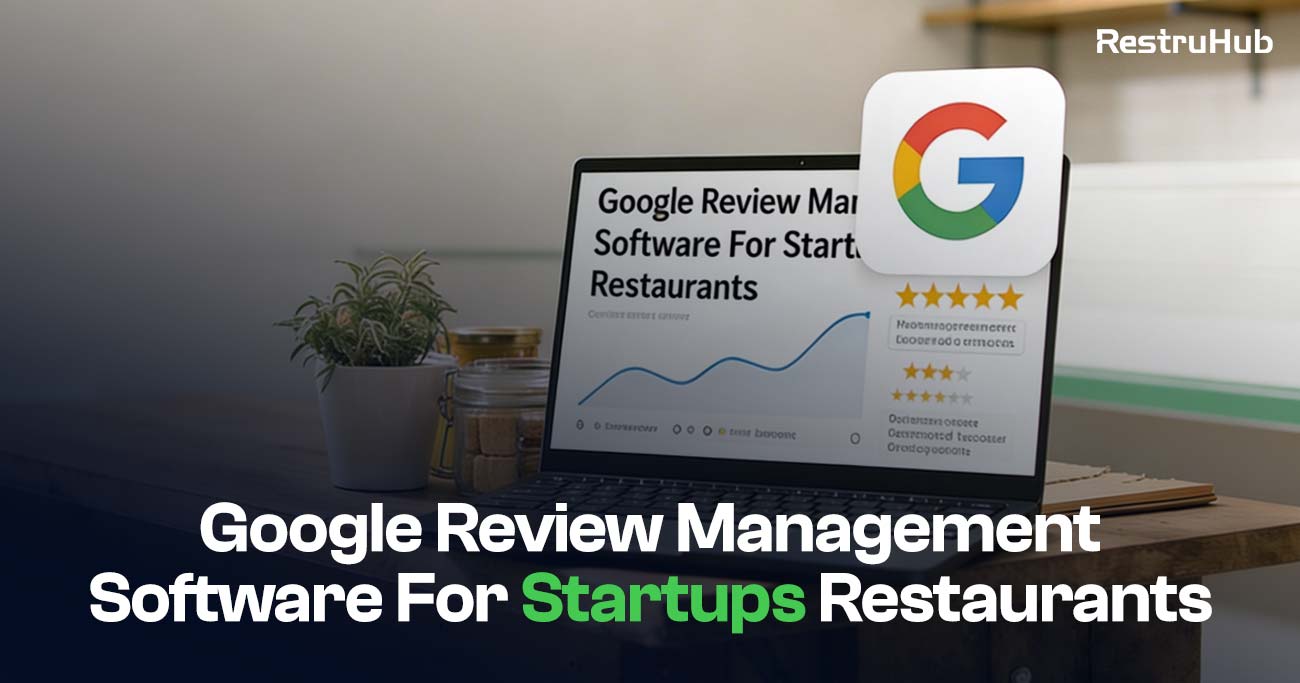
Google Review Management Software For Startups Restaurants
Opening a new restaurant is exciting, but building trust takes time. For startup restaurants, Google reviews play a major role in attracting customers and shaping first impressions. Many people check ratings before deciding where to eat, especially when the brand is new and unfamiliar. Just a few negative reviews without proper responses can slow early growth. At the same time, positive feedback can quickly boost credibility and visibility on Google Maps and Search.
That is why having the right Google review management software matters from the beginning. It helps startup owners monitor feedback, respond quickly, and encourage happy customers to leave reviews, all while staying focused on daily operations and delivering a great dining experience.
Why Google Reviews are Important for Startup Restaurants
For startup restaurants, visibility and trust are everything. Google reviews influence how potential customers discover, evaluate, and choose where to eat. Strong ratings can accelerate growth, while poor review management can slow momentum during the most critical early stages.
First Impressions Shape Early Success
When a restaurant is new, most people know nothing about it. They search on Google, check photos, read reviews, and look at star ratings before making a decision. A startup restaurant does not yet have a strong brand reputation, so reviews become the primary signal of quality and reliability.
Even a small number of reviews can influence perception. If early customers leave positive feedback and the restaurant responds professionally, new visitors feel more confident. On the other hand, unanswered complaints or low ratings without responses can discourage potential guests.
Reviews Directly Impact Local Search Visibility
Google uses reviews as a ranking factor in local search results and Google Maps. Restaurants with higher ratings, steady review activity, and consistent responses are more likely to appear in local search results.
For startups, this visibility is critical. Appearing in the top local results can significantly increase foot traffic. Reviews not only influence customer decisions but also improve discoverability. Active review management signals to Google that the business is engaged and trustworthy.
Trust Building Without Established Brand Recognition
Established restaurant brands rely on name recognition and marketing budgets. Startups do not have that advantage. Reviews become social proof. When potential customers see real people sharing positive experiences, it reduces uncertainty.
Trust is especially important in food service. Customers want reassurance about taste, cleanliness, service, and atmosphere. Detailed positive reviews provide that reassurance. Over time, a consistent pattern of good feedback builds credibility and loyalty.
Negative Reviews Can Slow Growth
A few negative reviews are normal, but ignoring them can damage a startup’s reputation quickly. Early stage restaurants operate with thin margins and limited marketing budgets. A drop from 4.5 stars to 3.8 stars can significantly reduce customer interest.
Responding professionally to complaints shows accountability. It demonstrates that the business listens and cares. Sometimes, a well handled response can turn a negative impression into a positive one for future readers.
Reviews Influence Revenue and Repeat Visits
Positive reviews encourage first time visits. Thoughtful responses encourage repeat visits. Customers appreciate when their feedback is acknowledged.
For startup restaurants, every guest matters. Google reviews help create a cycle of trust, visibility, and growth. Managing them carefully from the beginning lays the foundation for long term success.
Unique Review Challenges for Startup Restaurants
Startup restaurants face a different set of review challenges compared to established brands. With limited history, smaller teams, and tight budgets, every review carries more weight and greater impact on growth.
Low Review Volume in the Early Stage
New restaurants often start with very few reviews. This creates pressure because each rating significantly affects the overall average. A single one star review can quickly lower the total rating and influence customer perception.
Low volume also means limited social proof. Potential customers may hesitate to visit a restaurant that only has a handful of reviews. Startups must actively encourage satisfied guests to share feedback to build momentum and credibility.
Limited Time and Staff for Review Management
Most startup restaurant owners are deeply involved in daily operations. They manage suppliers, staff scheduling, food quality, and customer service. Monitoring and responding to Google reviews can easily become a secondary priority.
Without a structured system, reviews may go unanswered. Slow or inconsistent responses make the business appear inattentive. Over time, this can weaken trust and reduce engagement with customers.
Inexperience in Handling Negative Feedback
Established brands often have communication guidelines and crisis response strategies. Startup restaurants usually do not. When negative feedback appears, owners may respond emotionally or defensively.
Public responses that sound reactive can damage reputation further. It takes practice and guidance to handle complaints calmly, professionally, and with empathy. Without experience, mistakes are more likely during the early stage.
Building Trust Without Brand Recognition
Unlike well known chains, startup restaurants do not have built in brand awareness. Customers rely heavily on online reviews to judge quality, cleanliness, and service standards.
Because trust is still forming, early feedback has a stronger influence. A pattern of unanswered complaints or inconsistent messaging can slow growth. Startup restaurants must be especially careful to build a positive and professional online presence from the beginning.
Key Features to Look for in Review Management Software
Startup restaurants need review software that is simple, affordable, and effective. The right features help owners save time, respond quickly, and build a strong reputation without adding operational stress.
Easy to Use Dashboard
Simplicity matters. Restaurant owners and managers do not have time to learn complicated systems. A clean and clear dashboard that shows all Google reviews in one place makes daily management easier.
The system should display new reviews, ratings, and response status clearly. Quick filters and notifications help owners focus on what needs attention first. Ease of use encourages consistent engagement.
Automated Review Requests
Generating reviews is just as important as responding to them. Good software allows restaurants to send automated review requests through SMS or email after a customer visit.
This helps increase review volume naturally. More positive reviews balance occasional negative feedback and improve overall ratings. Automation reduces manual effort and ensures consistent outreach to satisfied guests.
Real Time Alerts and Notifications
Timely responses build trust. Review management software should send real time alerts when a new review is posted, especially for low star ratings.
Immediate notifications allow restaurant owners to address issues quickly. Fast responses show customers that their feedback matters. This is especially important for startups building their reputation from scratch.
Response Templates with Personalization
Writing responses from scratch every time can be time consuming. The software should offer ready to use response templates that can be customized easily.
Templates help maintain a professional tone while saving time. At the same time, managers should be able to personalize responses to avoid sounding robotic. The balance between efficiency and authenticity is key.
Basic Analytics and Rating Trends
Even small restaurants benefit from simple insights. Review software should provide basic analytics such as average rating, response rate, and review trends over time.
These insights help owners understand customer satisfaction levels and identify recurring issues. Clear data supports better decisions and continuous improvement. For startups, simple but meaningful reporting is often more valuable than complex enterprise analytics.
Best Google Review Management Software for Startup Restaurants
Startup restaurants need practical tools that help them build trust quickly and manage reviews without adding complexity. Below are established platforms that support early stage growth and long term scalability.
1. RestruHub
Built specifically for restaurant brands, RestruHub focuses on structured Google review management with simplicity. Startup owners can monitor all reviews from a centralized dashboard, making it easier to stay organized during busy service hours.
The platform includes real time alerts for new and low star reviews, helping restaurants respond quickly before issues escalate. Brand aligned response templates support consistent communication while still allowing personalization. Basic sentiment tracking and performance insights give owners a clear picture of customer feedback trends.
For startups planning to grow into multiple locations, RestruHub offers scalability without forcing a platform change later.
2. Birdeye
Strong automation makes Birdeye attractive for restaurants that need to increase review volume quickly. The platform allows automated SMS and email review requests after customer visits, helping generate consistent feedback.
Beyond review collection, Birdeye provides centralized monitoring and AI assisted response suggestions. This saves time for small teams while maintaining professional communication. Analytics tools also track ratings and engagement performance.
For startup restaurants with limited marketing staff, Birdeye offers structured automation that supports reputation growth with minimal manual effort.
3. Podium
Customer communication sits at the core of Podium’s approach. The platform combines messaging and review management, allowing restaurants to send text based review invitations directly to customers.
This method often leads to higher response rates compared to traditional email requests. Podium also enables private conversations, helping resolve concerns before they turn into public negative reviews. Review tracking is integrated into the same system for easier management.
Startup restaurants that value fast, direct communication may find Podium especially useful during early growth stages.
4. NiceJob
Focused primarily on review growth, NiceJob helps small businesses build social proof consistently. The platform automates review requests and highlights positive feedback across digital channels.
Its setup process is generally straightforward, making it suitable for restaurant owners who prefer simplicity over complex configurations. Automated campaigns reduce manual follow up, while basic reporting tools track review trends.
For startups aiming to quickly strengthen credibility and online visibility, NiceJob provides an accessible and easy to manage solution.
5. Yext Reviews
As part of a broader digital presence platform, Yext Reviews offers centralized review monitoring and structured control. Restaurants can manage Google reviews while keeping business listings accurate across directories.
The system supports consistent response management and scalable oversight. It is commonly used by brands preparing for expansion or managing multiple locations.
For startup restaurants with long term growth plans, Yext provides the governance structure needed to maintain consistency as operations become more complex.
How Review Software Supports Early Brand Growth
For startup restaurants, brand growth depends heavily on trust and visibility. Review management software helps create structure around customer feedback, turning reviews into a powerful tool for building credibility and attracting new guests.
Builds Trust Faster
When people search for a new restaurant, they often rely on Google ratings and recent reviews. A steady flow of positive feedback creates social proof. Review software helps startups collect reviews consistently through automated requests and reminders.
Responding quickly to feedback also builds trust. Customers feel valued when their opinions are acknowledged. Even a thoughtful reply to a complaint can show professionalism and accountability. Over time, this consistent engagement strengthens the restaurant’s reputation.
Improves Local Search Visibility
Google considers review activity when ranking local businesses. Restaurants with more reviews, better ratings, and consistent responses often appear higher in local search and Google Maps results.
Review software helps maintain steady engagement, which signals activity and reliability to search algorithms. Increased visibility means more potential customers discover the restaurant, especially during the early stage when brand awareness is still limited.
Encourages Repeat Customers
Acknowledging customer feedback creates a stronger relationship. When guests see that their reviews are read and appreciated, they are more likely to return.
Review software makes it easier to track conversations and maintain consistency in responses. Positive engagement helps transform first time visitors into loyal customers. For startups, repeat visits are critical to stable revenue and long term growth.
Identifies Operational Improvements
Reviews provide direct insight into customer experiences. Common comments about service speed, food quality, or cleanliness reveal areas that need attention.
With basic reporting and sentiment tracking, review software highlights patterns that might otherwise go unnoticed. Acting on this feedback improves service quality, which naturally leads to better reviews and stronger brand perception.
Creates a Strong Reputation Foundation
Early impressions often shape long term perception. A startup that manages reviews professionally from day one builds a solid digital presence.
Consistent review generation, timely responses, and data driven improvements create a cycle of growth. Review software supports this process by keeping feedback organized and actionable. For startup restaurants, this structured approach lays the foundation for sustainable brand success.
Common Mistakes Startup Restaurants Make with Reviews
For startup restaurants, online reviews can accelerate growth or slow it down. In the early stage, small mistakes in handling reviews can have a larger impact because brand reputation is still forming.
Ignoring Reviews Completely
One of the most common mistakes is simply not responding. Startup owners are often busy managing operations, staff, and suppliers. Reviews may feel secondary.
However, unanswered reviews create the impression that the restaurant does not care about feedback. This is especially damaging when negative reviews are left without a response. Customers expect engagement. Even a short, polite reply shows attentiveness and professionalism.
Responding Emotionally to Negative Feedback
Negative reviews can feel personal, especially when owners are deeply involved in daily operations. Reacting defensively or emotionally in public responses is a frequent mistake.
Arguments, blame, or sarcastic replies can quickly damage credibility. Future customers read these exchanges. A calm, respectful, and solution focused response builds more trust than trying to prove the reviewer wrong.
Not Encouraging Happy Customers to Leave Reviews
Many startup restaurants wait passively for reviews instead of actively requesting them. As a result, only extremely happy or extremely unhappy customers leave feedback.
Without a structured approach to asking satisfied guests for reviews, negative experiences can dominate the rating. Encouraging balanced feedback helps build a more accurate and positive online presence.
Using Generic or Copy Paste Responses
While templates can save time, overusing generic replies makes the restaurant appear robotic. Customers can easily recognize when responses lack personalization.
Startup restaurants should aim for efficiency while still adding a personal touch. Mentioning the customer’s specific feedback shows authenticity and effort.
Failing to Learn from Feedback
Reviews are not just marketing tools. They are a source of operational insight. Some startups focus only on the rating and ignore the detailed comments.
Recurring complaints about service speed, food temperature, or staff behavior signal areas that need improvement. Ignoring these patterns leads to repeated negative feedback.
By responding consistently, staying professional, encouraging positive reviews, and acting on feedback, startup restaurants can avoid these common mistakes and build a stronger reputation foundation.
How RestruHub Helps Startup Restaurants Build a Strong Reputation Foundation
RestruHub gives startup restaurants a simple and structured way to manage Google reviews from day one. Instead of checking reviews manually, owners can monitor everything from one centralized dashboard. This saves time and reduces the risk of missing important feedback.
Real time alerts notify teams when new or low star reviews are posted, allowing quick and professional responses. Brand aligned templates help maintain a consistent tone while still allowing personalization. This is especially helpful for new restaurants still defining their voice.
RestruHub also supports automated review requests, helping startups increase review volume steadily. Basic analytics provide insight into rating trends and customer sentiment. By combining visibility, speed, and structure, RestruHub helps startups build trust and credibility early.
FAQs
Do startup restaurants really need review management software?
Many startup restaurant owners try to manage reviews manually at first. While this may work in the very early days, it quickly becomes difficult as customer traffic increases. Review management software helps organize feedback, send alerts, and maintain consistent responses. For startups building their reputation, having structure from the beginning can prevent small issues from turning into bigger problems.
How many reviews should a new restaurant aim for?
There is no fixed number, but consistency matters more than volume. A steady flow of recent reviews builds trust and improves visibility in local search results. Startup restaurants should focus on encouraging satisfied customers to leave feedback regularly rather than chasing a large number all at once.
Can responding to reviews really improve customer trust?
Yes. Customers often read responses as carefully as the reviews themselves. Thoughtful, polite, and timely replies show that the restaurant values feedback. Even when addressing complaints, a professional response can reassure future guests and strengthen credibility.
What should a startup do about negative reviews?
Negative reviews should not be ignored or deleted if possible. Instead, they should be addressed calmly and professionally. A clear apology when appropriate and an invitation to continue the conversation offline can demonstrate accountability and care.
Is review management software expensive for small restaurants?
Costs vary by platform, but many tools offer pricing designed for small businesses. Startup restaurants should compare features, scalability, and potential return on investment before choosing a solution.
Want to Grow Your Reviews?
Learn how Restuhub helps 500+ businesses automate their Google reviews.
Free Consultation