Best Google Review Management Software For Fast Food Restaurants
Last Update: 18 weeks ago
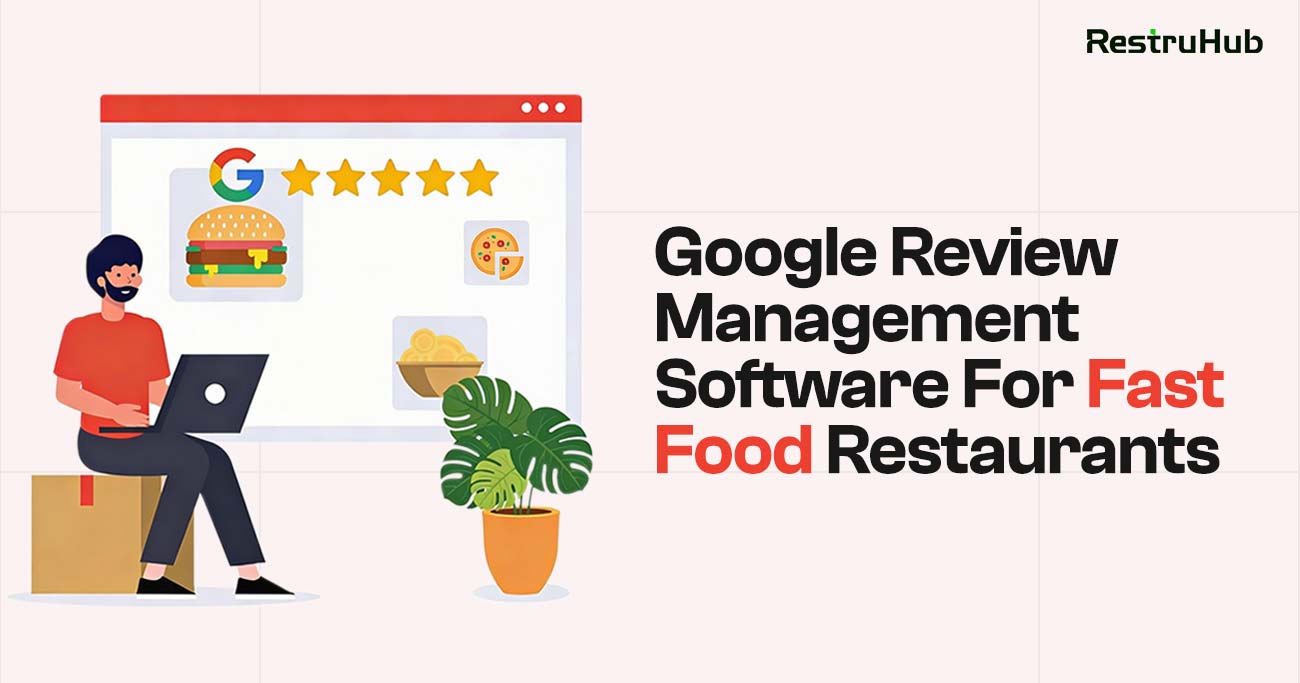
Fast food restaurants generate a high volume of Google reviews every day. With rapid service, large customer turnover, and multiple locations, even small issues can quickly impact ratings and brand perception. A few unanswered negative reviews can influence local traffic and reduce customer trust.
Managing reviews manually becomes difficult in high-speed QSR environments where managers are already handling operations, staffing, and inventory. That’s why having the right Google review management software is essential. The best tools help fast food brands monitor feedback in real time, prioritize urgent complaints, maintain consistent brand voice, and scale across franchise locations. In this guide, we compare seven top Google review management software solutions built for fast food restaurants in 2026.
Why Fast Food Brands Face Unique Google Review Challenges
Fast food brands operate in one of the highest-volume customer environments in the restaurant industry. With rapid service models and multiple shifts, managing Google reviews presents challenges that differ significantly from cafes or fine dining establishments.
Extremely High Review Volume
Fast food restaurants often serve hundreds or even thousands of customers daily. This naturally leads to a higher number of Google reviews compared to other restaurant segments.
More reviews mean more opportunities for feedback, but also more risk. Negative comments can accumulate quickly if not addressed. Managing this volume manually becomes difficult without structured monitoring systems.
Speed-Driven Customer Expectations
Customers expect fast service in quick-service restaurants. Delays, order mistakes, or long drive-thru lines can trigger immediate negative reviews.
Because fast food is built around convenience, small operational issues are amplified. A five-minute delay may seem minor internally but can lead to public complaints that influence future customers.
Multi-Shift and Staff Variability
Fast food restaurants typically operate extended hours with multiple shifts and rotating staff. Service quality may vary depending on the time of day or team on duty.
This inconsistency increases the likelihood of fluctuating review ratings. Tracking patterns by time or location becomes essential to identify training or staffing issues.
Franchise and Multi-Location Complexity
Many fast food brands operate under franchise models. Each location has its own Google Business Profile, review trends, and local management style.
Without centralized oversight, response tone and speed can differ between branches. This creates brand inconsistency and increases reputation risk at scale.
Rapid Public Impact of Negative Reviews
Fast food restaurants rely heavily on local search visibility and impulse visits. A drop in star ratings can immediately reduce walk-in traffic.
Because customers often compare nearby options quickly on Google Maps, a few unresolved complaints can shift demand to competitors. This makes proactive review management even more critical for fast food brands.
These unique challenges highlight why fast food restaurants require structured, scalable review management systems. High volume, rapid service expectations, and franchise complexity demand tools designed for speed, visibility, and centralized control.
7 Best Google Review Management Software For Fast Food Restaurants
Fast food brands need review tools built for speed, scale, and consistency. High customer volume and franchise complexity require software that can monitor, prioritize, and respond without slowing daily operations.
1. RestruHub – Built for Fast-Moving Multi-Location Brands
RestruHub is structured for high-volume, multi-location fast food environments where response speed directly impacts brand perception. It centralizes all Google reviews into one dashboard, allowing franchise owners and head office teams to monitor every branch without switching accounts.
Smart negative-first alert prioritization ensures urgent complaints are surfaced immediately. This helps managers respond quickly to drive-thru issues, order mistakes, or service delays before ratings drop. AI-powered reply suggestions support fast drafting while maintaining consistent hospitality tone across locations.
The platform also tracks response time, rating trends, and sentiment insights by branch, making it easier to identify operational weaknesses and maintain brand control at scale.
Key Features
- Centralized multi-location Google review dashboard
- Smart negative-first alert prioritization
- AI-assisted hospitality-focused replies
- Response time tracking by location
- Sentiment analysis and branch-level reporting
Best For: Fast food chains and franchise brands managing high review volume and requiring real-time, centralized reputation control.
2. Momos – AI Automation for High-Volume QSR
Momos is built with restaurant operators in mind, particularly those handling high review volume across multiple locations. For fast food brands receiving dozens of Google reviews daily, automation becomes essential. Momos focuses heavily on AI-powered response generation, helping teams draft replies quickly while maintaining consistency.
The platform centralizes reviews into one dashboard and provides sentiment analysis to identify recurring issues. For QSR brands, this is useful in spotting patterns related to speed of service, order accuracy, or drive-thru delays. Its automation layer reduces manual workload, which is valuable in fast-paced environments.
Key Features
- AI-generated review response suggestions
- Centralized multi-location dashboard
- Sentiment and trend reporting
- Performance tracking by branch
Best For: High-volume fast food groups that prioritize AI-driven response automation.
3. Reputation – Enterprise Reputation Management
Reputation is designed for large enterprise brands that require strict oversight and governance across hundreds or thousands of locations. For major fast food chains, maintaining consistent review responses and brand standards is critical.
The platform provides centralized monitoring, advanced analytics, and performance benchmarking across locations. It supports structured workflows, approval systems, and detailed reporting. This level of control is beneficial for corporate-led franchise networks that need visibility at scale.
However, its enterprise scope may be more complex and costly than necessary for smaller QSR operators.
Key Features
- Enterprise-grade multi-location monitoring
- Advanced analytics and benchmarking
- Structured workflow and approval controls
- Centralized brand governance tools
Best For: Large fast food corporations with extensive franchise networks requiring strict brand oversight.
4. Chatmeter – Multi-Location Brand Control
Chatmeter focuses on local reputation and performance visibility across multiple locations. For fast food brands operating in competitive markets, its strength lies in location-level analytics and comparative reporting.
The platform aggregates Google reviews and provides detailed insights into rating performance, sentiment shifts, and response trends. Corporate teams can compare branches and identify underperforming locations quickly. This makes it particularly useful for brands that rely on measurable KPIs and structured oversight.
Chatmeter leans heavily toward analytics and local search visibility rather than hospitality-specific AI replies.
Key Features
- Centralized multi-location review monitoring
- Sentiment analysis and reporting
- Location comparison dashboards
- Local SEO performance insights
Best For: Fast food brands that prioritize performance analytics and location-level reputation tracking.
5. SOCi – Franchise Social + Review Management
SOCi is built specifically for multi-location and franchise brands that need centralized control over local marketing and reputation. For fast food chains operating dozens or hundreds of locations, SOCi combines social media management with review monitoring into one platform.
Its review management tools allow corporate teams to oversee Google reviews across all branches while enabling local managers to respond within structured brand guidelines. Approval workflows and role-based access controls make it easier to maintain consistency without slowing down local engagement. This balance is valuable for QSR brands that want speed at the store level but governance at the corporate level.
Key Features
- Centralized multi-location review monitoring
- Franchise-level approval workflows
- Role-based access controls
- Integrated social and review management
Best For: Franchise-driven fast food brands that need brand governance and local flexibility.
6. Yext Reviews – Large-Scale Location Management
Yext Reviews is part of Yext’s broader location management ecosystem. It is designed for brands managing a large number of physical locations that require consistent information and review oversight.
For fast food chains, Yext centralizes Google reviews while also ensuring business listings remain accurate across directories. Corporate teams can monitor feedback trends, manage responses, and maintain consistency at scale. Its integration with listings management makes it particularly useful for brands concerned with both reputation and local search visibility.
Because Yext operates at an enterprise level, it may be more robust than necessary for smaller operators but highly effective for large-scale QSR networks.
Key Features
- Centralized review monitoring across locations
- Listings management integration
- Location-level reporting
- Brand governance tools
Best ForLarge fast food brands focused on structured, large-scale location control.
7. Uberall – Location Marketing & Review Control
Uberall focuses on location marketing and reputation management for multi-location businesses. For fast food operators competing heavily on local visibility, Uberall combines review monitoring with local search optimization tools.
The platform aggregates Google reviews, provides sentiment insights, and supports centralized response workflows. It also emphasizes improving local search presence, helping QSR brands maintain strong visibility in Google Maps results. This dual focus on marketing and reputation makes it attractive for brands operating in dense competitive markets.
While not exclusively restaurant-focused, Uberall offers scalable tools suited for multi-location fast food brands.
Key Features
- Centralized Google review monitoring
- Sentiment analysis and reporting
- Location marketing tools
- Multi-location dashboard
Best For: Fast food brands seeking reputation control combined with strong local search visibility management.
Feature Breakdown for Fast Food Operators
Fast food operators face a very different reputation environment compared to other restaurant segments. High customer volume, multiple shifts, and franchise complexity demand review tools built for speed and structured oversight. When evaluating software, certain features matter more than others.
Speed of Monitoring and Response
In fast food, even minor service delays can trigger immediate negative reviews. A strong review management platform must provide real-time alerts the moment a Google review is posted.
Smart prioritization is equally important. Low-star reviews should be flagged instantly so managers can address urgent issues first. Fast acknowledgment reduces escalation risk and signals accountability to potential customers browsing ratings.
Multi-Location Dashboard Control
Most fast food brands operate multiple branches, often across cities or regions. Logging into separate Google Business Profiles manually is inefficient and risky.
A centralized multi-location dashboard allows head office teams to monitor review activity across all stores in one interface. This ensures consistent oversight and reduces the chance of missed complaints at individual branches.
Automation for High Review Volume
Fast food restaurants generate large volumes of reviews daily. Without automation, response management becomes overwhelming for store managers already handling operations.
AI-assisted response drafts, template frameworks, and workflow automation help reduce workload. Automation speeds up the first stage of engagement while still allowing managers to personalize responses before publishing.
Franchise-Level Governance and Brand Control
Franchise models introduce additional complexity. Each location may have different managers, response styles, and communication habits.
Software with role-based permissions and approval workflows helps maintain brand consistency. Corporate teams can oversee messaging standards while allowing local managers to handle day-to-day replies.
Performance Tracking and Location Comparison
Fast food brands rely heavily on measurable performance metrics. A good review management system should provide branch-level reporting, response time tracking, and rating comparisons between locations.
This visibility helps identify underperforming stores and recurring operational issues. Structured analytics turn Google reviews into actionable performance data rather than just public comments.
For fast food operators, the right software must combine speed, automation, centralized control, and franchise governance. These features ensure reputation management keeps pace with the fast-moving nature of QSR operations.
Factor To Consider While Choosing The Best Software
Choosing the best Google review management software for fast food restaurants requires more than comparing feature lists. Fast-moving QSR environments demand tools that support speed, scale, and operational consistency. The right platform should align with your growth model and review volume.
Review Volume Handling Capacity
Fast food brands generate significantly more reviews than many other restaurant types. Before selecting software, consider whether the platform can handle high daily review volume without slowing performance.
The system should provide real-time syncing, fast dashboard loading, and efficient filtering options. If managers struggle to navigate or process reviews quickly, response delays will follow. Volume scalability is one of the most critical factors for QSR operators.
Multi-Location and Franchise Support
If your brand operates multiple locations, centralized oversight is essential. The software must allow head office teams to monitor all branches from a single dashboard while still enabling local managers to respond.
Look for tools with role-based permissions and approval workflows. Franchise brands especially need structured brand governance to maintain consistent tone and response standards across every store.
Automation and AI Assistance
High review volume makes manual response drafting inefficient. AI-assisted reply suggestions help reduce workload while maintaining professionalism.
However, automation should not eliminate personalization. Choose software that allows managers to edit drafts easily and maintain a hospitality-focused tone. Smart negative-first alert prioritization is also important to ensure urgent complaints are handled immediately.
Reporting and Operational Insights
Review management should extend beyond responding. Strong platforms provide sentiment analysis, keyword tracking, and location-level reporting.
These insights allow QSR operators to identify recurring issues such as order accuracy problems or slow drive-thru service. Data-driven visibility helps leadership improve performance systematically rather than reactively.
Cost Structure and Long-Term Scalability
Pricing must align with business size and expansion plans. Enterprise-grade platforms may offer advanced analytics but come with higher costs and complexity.
Fast food operators should evaluate subscription models carefully. The ideal software should scale as new locations open without requiring separate expensive contracts for each branch. Long-term affordability and flexibility are key considerations.
Selecting the right review management software requires balancing speed, automation, governance, and cost. For fast food brands, the best platform is one that supports high-volume operations while maintaining consistent brand control and measurable performance tracking.
Franchise vs Independent Fast Food Chains: Different Needs
Fast food restaurants do not operate under a single model. Franchise chains and independent operators face very different challenges when managing Google reviews. Their needs, resources, and operational structures shape how they approach review management.
Centralized Governance vs Local Control
Franchise chains typically require centralized oversight. Corporate teams need visibility across all locations to ensure consistent brand voice and response standards. Structured approval workflows and role-based permissions are often necessary to maintain uniform messaging.
Independent fast food restaurants, on the other hand, usually prioritize simplicity. The owner or manager may handle reviews directly, making ease of use and speed more important than complex governance systems.
Scale and Review Volume
Franchise brands often manage dozens or hundreds of locations. This creates high review volume and demands multi-location dashboards that consolidate all feedback into one interface.
Independent operators usually manage a single location. While review volume may still be high, scalability across branches is less of a concern. Their focus is more on quick responses and maintaining strong local ratings.
Budget Considerations
Franchise chains often allocate corporate budgets for technology investments. Enterprise-grade platforms with advanced analytics and benchmarking may fit their structure.
Independent fast food restaurants operate with tighter margins. They typically need cost-effective tools that provide essential monitoring and automation without unnecessary complexity.
Reporting and Performance Tracking
Franchise networks rely heavily on measurable KPIs. They need location-level reporting, performance comparisons, and sentiment insights to identify underperforming stores.
Independent chains may prefer simplified reporting that highlights trends and urgent issues without overwhelming data layers.
Understanding these differences helps fast food operators choose software aligned with their structure, growth strategy, and operational priorities.
How RestruHub Supports Fast Food Brands at Scale
Fast food restaurants do not operate under a single model. Franchise chains and independent operators face very different challenges when managing Google reviews. Their needs, resources, and operational structures shape how they approach review management.
Centralized Governance vs Local Control
Franchise chains typically require centralized oversight. Corporate teams need visibility across all locations to ensure consistent brand voice and response standards. Structured approval workflows and role-based permissions are often necessary to maintain uniform messaging.
Independent fast food restaurants, on the other hand, usually prioritize simplicity. The owner or manager may handle reviews directly, making ease of use and speed more important than complex governance systems.
Scale and Review Volume
Franchise brands often manage dozens or hundreds of locations. This creates high review volume and requires multi-location dashboards that consolidate all feedback into a single interface.
Independent operators usually manage a single location. While review volume may still be high, scalability across branches is less of a concern. Their focus is more on quick responses and maintaining strong local ratings.
Budget Considerations
Franchise chains often allocate corporate budgets for technology investments. Enterprise-grade platforms with advanced analytics and benchmarking may fit their structure.
Independent fast food restaurants operate with tighter margins. They typically need cost-effective tools that provide essential monitoring and automation without unnecessary complexity.
Reporting and Performance Tracking
Franchise networks rely heavily on measurable KPIs. They need location-level reporting, performance comparisons, and sentiment insights to identify underperforming stores.
Independent chains may prefer simplified reporting that highlights trends and urgent issues without overwhelming data layers.
Understanding these differences helps fast-food operators choose software that aligns with their structure, growth strategy, and operational priorities.
FAQs
Why do fast food restaurants receive more Google reviews than other restaurants?
Fast food restaurants serve a higher volume of customers daily, which naturally leads to more online feedback. Quick service, drive-thru experiences, and frequent visits increase customer interactions, resulting in more Google reviews compared to slower-service dining models.
How quickly should fast food brands respond to negative reviews?
Fast food brands should aim to respond within 24 hours, ideally sooner. Because customers often make quick dining decisions based on ratings, fast responses help reduce reputation damage and demonstrate accountability to potential guests browsing nearby options.
Is multi-location support necessary for small fast food chains?
If a chain operates more than one location, centralized monitoring becomes important. Even small multi-location brands benefit from unified dashboards that prevent missed reviews and maintain consistent response standards across branches.
Can AI-generated responses work in fast food environments?
Yes, AI-assisted drafts can help manage high review volume efficiently. However, managers should review and personalize responses to ensure tone remains appropriate and aligned with brand standards.
What is the biggest review management risk for franchise brands?
The biggest risk is inconsistency. Without centralized oversight, different locations may respond with varying tone, speed, and professionalism, which can weaken overall brand perception.
Want to Grow Your Reviews?
Learn how Restuhub helps 500+ businesses automate their Google reviews.
Free Consultation