What Are the Risks of Ignoring Google Reviews?
Last Update: 34 weeks ago
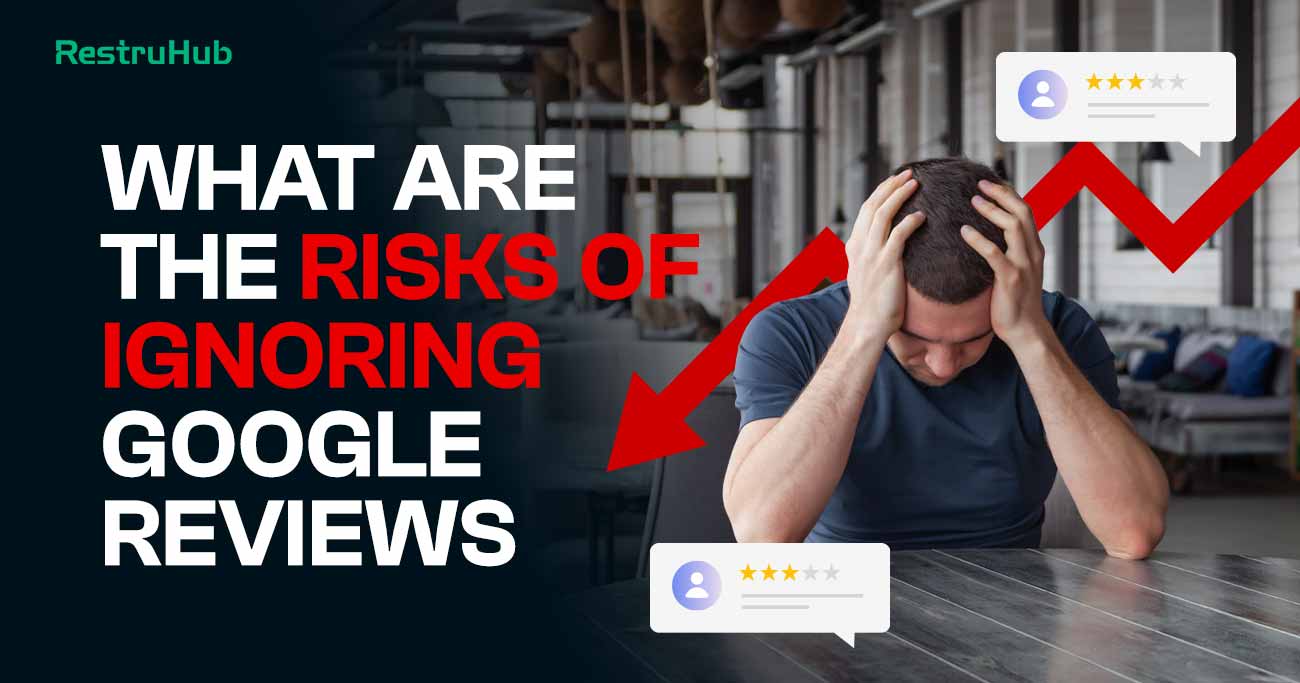
Google reviews play a major role in how restaurants are judged online. Customer opinions influence trust, visibility, and dining choices. When reviews go unanswered, many people assume the restaurant does not value feedback. That assumption can reduce confidence before a visit happens. Negative comments feel stronger without a response to add balance. Search visibility can also drop when review activity is low. Fewer views often lead to fewer visits. Potential customers may choose competitors that appear active and engaged. Reviews shape reputation and affect real business results. Understanding the risks of ignoring Google reviews helps restaurant owners protect credibility, attract more diners, and stay competitive in a crowded market.
What Are The Risks Of Ignoring Google Reviews?
Customer feedback on Google shapes how restaurants are discovered, judged, and chosen. Ignoring reviews creates hidden risks that slowly damage trust, visibility, and long term growth.
Loss of Customer Trust and Credibility
Customers expect restaurants to listen when feedback is shared. When reviews receive no response, many people assume the business does not care about customer experience. Silence can feel cold, especially after a negative review. Even a short reply shows respect and attention. Without it, customers may feel ignored and undervalued. Over time, trust starts to fade.
New customers often judge a restaurant before visiting. Online engagement plays a big role in that judgment. A profile filled with unanswered reviews can appear careless or unprofessional. People may wonder how the restaurant treats guests in person. Trust is built through small actions, and responses are one of them. Once trust is lost, earning it back becomes difficult and time consuming.
Decline in Local Search Visibility
Google rewards restaurants that stay active online. Reviews and responses signal engagement and relevance. Restaurants that reply regularly often appear higher in local search results. Ignoring reviews suggests low activity. That lack of engagement can slowly reduce visibility.
Lower visibility leads to fewer people discovering the restaurant. Profile views drop along with calls and direction requests. Even strong food and service may not be enough if customers never see the listing. Search performance can decline quietly over time. Many owners notice the impact only after traffic and bookings start to fall.
Stronger Impact of Negative Reviews
Negative reviews feel more powerful when no response is present. Readers often assume the complaint is true when the restaurant stays silent. A calm and respectful reply can soften the situation. Without a response, one bad review can shape the entire perception of the business.
Potential customers may imagine having the same bad experience. Doubt grows when there is no explanation or apology. Fear spreads faster than reassurance in online spaces. Negative feedback becomes more influential when concerns are left unaddressed. Public responses help control the narrative and reduce long-term damage.
Reduced Foot Traffic and Bookings
Many dining choices happen before customers ever arrive. People check reviews to decide where to eat or book a table. Ignored feedback creates doubt about service and care. Customers who value good treatment may choose another place. Loss of foot traffic often happens slowly, not overnight.
Restaurant owners may focus on food quality while missing reputation signals. Online silence can quietly push customers away. Fewer profile visits lead to fewer calls and reservations. Weak engagement often connects directly to declining bookings. Over time, revenue drops as a result of inaction.
Missed Opportunities to Improve Service
Reviews reflect real customer experiences. Honest feedback often points to service gaps that need attention. Ignoring reviews means losing valuable insight. Common complaints about wait times, staff behavior, or cleanliness usually repeat for a reason.
Addressing feedback helps improve daily operations. Without attention, the same problems continue to affect guests. Customers notice when issues remain unresolved. Improvement becomes difficult without listening. Reviews offer guidance that helps restaurants strengthen service and create better experiences.
Damage to Long Term Brand Reputation
Reputation grows through consistent actions over time. Ignoring reviews sends a message of indifference. Customers may feel the restaurant does not value opinions. Brand image weakens when engagement feels absent. Even loyal guests may start to disconnect.
A damaged reputation affects more than customer visits. Partnerships, hiring, and community trust can suffer. Recovery often takes more effort than prevention. Public perception lasts longer than individual experiences. Strong brands protect reputation through steady and thoughtful communication.
Competitive Disadvantage in the Local Market
Competitors who respond to reviews appear more active and welcoming. Engagement makes a restaurant feel approachable and professional. Customers often choose places that show care and responsiveness. Ignoring reviews gives competitors an advantage without changing food quality.
Local restaurant markets are crowded and competitive. Small differences influence customer decisions. Engagement plays a major role in standing out. Restaurants that stay silent risk falling behind others who communicate openly. Active review management helps maintain relevance and visibility.
What Customers Assume When Reviews Are Ignored
When customers see ignored reviews, they rarely stay neutral. Silence sends signals, and people quickly fill the gaps with their own assumptions. Those assumptions often hurt trust and decision making. Below are the most common things customers believe when reviews are ignored.
- The restaurant does not care about customers Lack of response feels like a lack of respect. Customers assume feedback is unimportant to the business. Care and attention feel missing.
- Complaints are probably true Unanswered negative reviews appear validated. Customers believe the issue happened and was never resolved. Silence feels like agreement.
- Customer service is weak If online communication feels poor, people expect in person service to be similar. Responsiveness online shapes expectations offline.
- Problems happen often Repeated unanswered reviews suggest patterns. Customers assume the same issues keep happening without improvement.
- The restaurant avoids responsibility Ignoring feedback looks like avoidance. Customers may believe mistakes are not acknowledged or fixed.
- The business is inactive or poorly managed An unengaged profile can feel abandoned. Customers may question leadership and daily operations.
- Better options exist nearby Active competitors feel safer and more professional. Customers often choose restaurants that respond and communicate clearly.
- Future issues will be ignored too People imagine being unheard if something goes wrong. That fear alone can stop a visit.
Customer assumptions form quickly and quietly. Responding to reviews helps guide perception, build trust, and protect reputation before decisions are made.
What Revenue Loss Looks Like When Feedback Is Ignored
Ignoring customer feedback creates silent revenue leaks. Money is not lost all at once. Loss happens slowly through missed visits, weaker trust, and reduced visibility.
Fewer New Customers Walk In
Many people rely on reviews before trying a restaurant. Ignored feedback creates doubt. Potential customers often choose places that feel more responsive. Even curious diners may scroll past without clicking. Fewer first time visits mean fewer chances to impress. Over time, the flow of new customers slows. That slowdown directly affects daily sales.
Repeat Customers Stop Returning
Regular customers expect to feel valued. When feedback goes unanswered, loyalty weakens. People who leave reviews want acknowledgment. Silence can make them feel unimportant. Some may stop visiting without saying anything. Repeat visits often generate steady revenue. Losing returning customers hurts more than losing one-time guests.
Online Visibility Drops Over Time
Active engagement supports better search placement. Ignoring reviews reduces activity signals. Lower placement leads to fewer profile views. Fewer views mean fewer calls and direction requests. Reduced visibility affects discoverability. When fewer people find the restaurant, revenue opportunities shrink. Search decline happens quietly but steadily.
Customers Spend Less Per Visit
Unaddressed feedback lowers confidence. Customers who feel unsure tend to spend cautiously. Orders become smaller. Add ons and higher priced items feel risky. Strong trust supports higher spending. Weak trust leads to hesitation. Lower average spend affects revenue even when foot traffic stays stable.
Competitors Capture Lost Demand
Customers rarely stop dining out. They simply choose other places. Competitors who respond to feedback feel safer and more professional. Those restaurants gain trust without changing menus. Lost demand shifts to nearby options. Over time, competitors grow stronger while silent restaurants fall behind. Revenue loss becomes a competitive disadvantage.
How RestruHub Helps Restaurants Avoid the Risks of Ignoring Reviews
Managing reviews consistently can feel overwhelming for busy restaurant teams. RestruHub simplifies the process and helps restaurants stay responsive, visible, and trusted without adding daily stress.
Centralized Review Management
RestruHub brings all Google reviews into one dashboard. Restaurant owners no longer need to check multiple platforms or locations separately. Every review appears in a single place, making nothing easy to miss nothing. Clear organization helps teams stay aware of new feedback. Central access saves time and reduces the risk of reviews being ignored. Better visibility leads to faster action and stronger engagement.
Faster and More Consistent Responses
Timely responses matter for trust and perception. RestruHub helps teams reply quickly by highlighting unanswered reviews. Response tools support consistent tone across locations and staff members. Restaurants can stay professional even during busy hours. Faster replies reduce the impact of negative feedback. Consistency helps build a reliable brand image online.
Human Tone Without Sounding Scripted
Many tools rely on generic templates that feel robotic. RestruHub focuses on human toned replies that sound natural and respectful. Responses feel personal without being time consuming to write. Customers notice when replies feel thoughtful. Authentic communication helps rebuild trust after poor experiences. Natural language keeps conversations warm and professional.
Insights That Highlight Real Problems
RestruHub analyzes review patterns to reveal common issues. Repeated complaints become easier to spot. Restaurants can identify problems related to service, wait times, or food quality. Clear insights help teams focus on meaningful improvements. Fixing real issues leads to better experiences. Better experiences often lead to stronger reviews over time.
Protection Against Long-Term Reputation Damage
Ignoring reviews creates silent risks. RestruHub helps restaurants stay active and visible online. Regular engagement signals care and accountability. Strong response habits protect brand reputation before damage grows. Restaurants appear approachable and attentive to future customers. Active review management reduces lost trust, lost traffic, and lost revenue.
By supporting consistent engagement, RestruHub helps restaurants turn reviews into a strength instead of a risk.
FAQs
Can Small Restaurants Manage Reviews Without A Dedicated Team?
Yes, small restaurants can manage reviews without extra staff. The right system reduces manual effort and keeps everything organized. Automation and alerts help owners respond without constant monitoring.
Does Responding To Reviews Really Influence Customer Decisions?
Yes, responses play a big role in how customers judge a restaurant. Many diners read replies to see how problems are handled. A calm and respectful response builds confidence before a visit.
Can Review Management Save Time For Busy Restaurant Owners?
Yes, managing reviews becomes faster when everything is centralized. Instead of logging into multiple accounts, owners can handle feedback in one place. Time savings allow teams to focus more on service and operations.
Does Tone Matter When Replying To Negative Feedback?
Yes, tone strongly affects perception. Polite and human responses feel more genuine than scripted replies. A caring tone can reduce tension and rebuild trust with future readers.
How Often Should Restaurants Check And Respond To Reviews?
Regular monitoring works best for maintaining trust and visibility. Daily checks help catch issues early and prevent reviews from piling up. Consistent attention keeps the profile active and credible.
What Happens If Only Negative Reviews Receive Responses?
Positive reviews also deserve acknowledgement. Ignoring praise can make engagement feel selective. Thanking happy customers strengthens loyalty and encourages more feedback over time.
Want to Grow Your Reviews?
Learn how Restuhub helps 500+ businesses automate their Google reviews.
Free Consultation