5 Ways To Measure Brand Sentiment Accurately - RestruHub
Last Update: 23 weeks ago
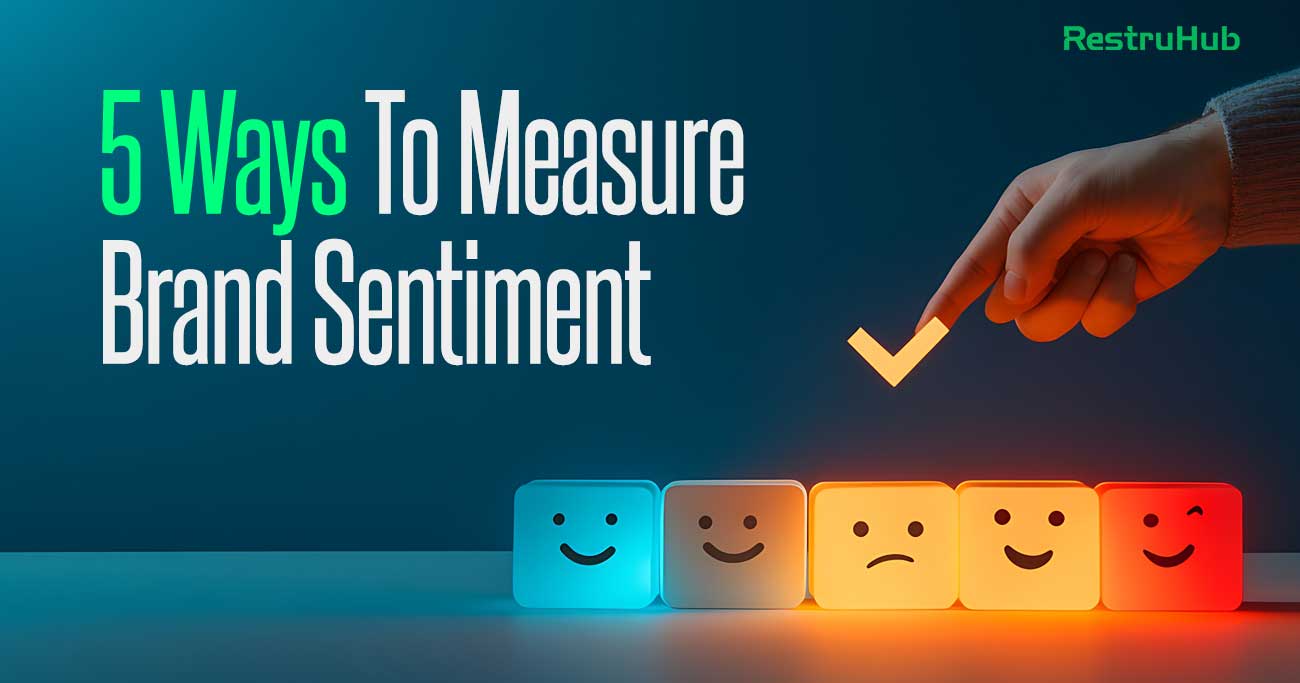
Brand sentiment plays a major role in shaping online reputation, customer trust, and purchasing decisions. Star ratings alone do not reveal the full emotional picture behind customer experiences. The tone of reviews, the language used in comments, and the consistency of feedback provide deeper insight into how people truly perceive your brand.
Accurate measurement requires a structured approach. Reviews, social media conversations, and engagement signals all reflect emotional patterns that influence public perception. Without clear tracking methods, small shifts in sentiment can go unnoticed until they affect visibility and revenue. A focused strategy helps transform scattered feedback into clear data, allowing businesses to respond early, strengthen positive perception, and protect long term reputation growth.
What Is Brand Sentiment
Brand sentiment refers to the overall emotional tone people express about your business online. It reflects how customers feel when they talk about your products, services, or experiences across reviews, social media, and search platforms.
Unlike star ratings, brand sentiment focuses on emotion rather than numbers. A review might give four stars but still contain frustrated language, which signals mixed sentiment. Positive sentiment often includes words that show trust, satisfaction, or excitement. Negative sentiment usually highlights disappointment, frustration, or unmet expectations.
By analyzing these emotional patterns on platforms like Google, businesses gain deeper insight into public perception. Brand sentiment reveals how customers truly experience your brand and how that perception shapes reputation over time.
5 Ways To Measure Brand Sentiment
Brand sentiment measurement requires structure and consistency. Star ratings alone do not capture emotional depth or perception shifts. These five methods provide a clearer view of how customers truly feel.
Analyze Review Tone and Language Patterns
Written reviews reveal emotional detail that numbers cannot show. Pay attention to adjectives, intensity, and repeated phrases. Words such as “excellent,” “trustworthy,” or “consistent” signal strong positive sentiment. Terms like “ignored,” “rude,” or “overpriced” reflect deeper dissatisfaction.
Review analysis on Google helps identify how customers describe their experiences. A business may maintain a solid rating while comments reveal frustration. Tone analysis uncovers hidden warning signs before they affect overall reputation.
Track Sentiment Trends Over Time
Brand sentiment is dynamic. It changes with service quality, pricing, competition, and customer expectations. Measuring sentiment consistently over weeks or months reveals whether perception is improving or declining.
Regular review of feedback on Google Business Profile allows businesses to detect gradual increases in complaints or positive mentions. A small but steady rise in negative tone often signals operational issues that require attention. Long term tracking prevents surprises.
Monitor Engagement and Behavioral Signals
Customer actions reflect emotional confidence. High engagement rates usually align with positive sentiment. Profile views, direction requests, calls, and review frequency provide measurable behavioral signals.
Data from Google Maps and Google Search shows how users respond after seeing your listing. If clicks or interactions decrease while ratings remain stable, sentiment may be weakening. Behavioral metrics often reveal shifts earlier than written feedback alone.
Use Automated Sentiment Analysis Methods
Automation tools analyze large volumes of feedback quickly. These systems classify comments into positive, negative, or neutral categories based on language patterns. Automation saves time and increases efficiency, especially for multi location businesses.
However, technology should support human judgment, not replace it. Context, sarcasm, and cultural nuance sometimes require manual interpretation. Combining automated classification with periodic human review ensures accuracy while maintaining scalability.
Compare Sentiment Across Platforms and Locations
Brand perception is not always uniform. Sentiment may differ between locations or platforms. One branch may consistently receive praise, while another faces recurring service complaints.
Cross platform comparison helps identify gaps in consistency. Feedback on search listings, social channels, and review sites may highlight different strengths or weaknesses. Segmenting sentiment data by location and channel allows targeted improvements rather than broad assumptions.
Accurate sentiment measurement depends on combining emotional analysis, trend tracking, behavioral data, automation, and comparison. When applied consistently, these five methods transform scattered feedback into strategic insight. Clear measurement protects reputation, strengthens customer trust, and supports sustainable long term growth.
Key Metrics That Support Accurate Sentiment Tracking
Accurate sentiment tracking depends on more than reading a few reviews. Clear metrics help businesses measure emotional patterns objectively and identify shifts before they impact reputation or revenue.
Review Volume and Frequency
The number of reviews over a specific period reveals engagement levels. A steady flow of new reviews often signals active customer interaction, while a sudden drop may indicate declining visibility or reduced interest.
Tracking review frequency on Google helps identify momentum changes. If review volume increases alongside negative tone, sentiment may be shifting downward. Volume alone does not define perception, but it provides context for deeper analysis.
Sentiment Distribution Ratio
Sentiment distribution measures the percentage of positive, negative, and neutral reviews within a given timeframe. This ratio provides a clearer picture than average star ratings alone.
For example, a business might maintain a 4.3 rating but experience a rising percentage of negative comments. Monitoring distribution on Google Business Profile reveals subtle emotional changes before overall ratings decline significantly.
Recurring Keyword and Theme Frequency
Tracking how often specific words or themes appear helps identify operational strengths and weaknesses. Repeated mentions of “slow service” or “friendly staff” signal consistent patterns.
Keyword frequency across platforms like Google Maps highlights what customers focus on most. Theme tracking transforms emotional feedback into measurable data points that support targeted improvements.
Engagement Metrics and User Actions
Customer behavior reflects emotional confidence. Metrics such as profile clicks, calls, direction requests, and website visits indicate how comfortable users feel choosing your business.
Data from Google Search can show whether engagement rises or declines alongside sentiment trends. Reduced interaction often suggests hesitation, even if star ratings remain stable.
Response Time and Resolution Rate
How quickly and effectively a business responds to reviews influences sentiment progression. Faster response times often stabilize negative perception and encourage balanced follow up comments.
Monitoring response time and resolution rates ensures engagement remains proactive rather than reactive. These operational metrics support stronger sentiment management and long term reputation stability.
Tracking these key metrics together creates a comprehensive sentiment framework. When measured consistently, they provide early warning signals, guide operational decisions, and protect online reputation over time.
Common Challenges in Measuring Brand Sentiment
Measuring brand sentiment sounds straightforward, but in practice it comes with several challenges. Emotional data is complex, and without the right structure, insights can easily become inaccurate or misleading.
Emotional Nuance and Context
Customer language is rarely simple. A review may contain both praise and criticism in the same paragraph. Sarcasm, cultural tone, and indirect expressions make interpretation difficult.
On platforms like Google, automated tools may misclassify nuanced feedback as purely positive or negative. Without human context, subtle dissatisfaction can be overlooked. Emotional depth makes sentiment measurement more complex than counting keywords.
Overreliance on Star Ratings
Many businesses rely too heavily on average ratings as a sentiment indicator. While ratings provide quick insight, they do not reveal emotional intensity or recurring themes.
A 4.2 rating on Google Business Profile may hide growing frustration in written comments. Ignoring tone and focusing only on numerical averages can delay problem detection. Star ratings alone rarely tell the full story.
Inconsistent Data Across Platforms
Brand sentiment often varies between review sites, social media, and search listings. Feedback on Google Maps may differ from comments on other channels.
Without cross platform comparison, businesses may develop an incomplete understanding of perception. Measuring sentiment in isolation creates blind spots. Consistency in monitoring is necessary for accurate analysis.
Limited Internal Resources
Small teams may struggle to review and categorize large volumes of feedback regularly. Manual analysis takes time, and daily operations often take priority.
Without dedicated tracking processes, sentiment shifts may go unnoticed. Resource limitations reduce the frequency and depth of analysis, increasing the risk of delayed responses to emerging problems.
Data Overload and Lack of Structure
Large amounts of feedback can become overwhelming. Without a structured system to categorize themes and track trends, reviews remain scattered and difficult to interpret.
Data from Google Search and other sources must be organized clearly. Without dashboards or defined metrics, businesses may collect information without gaining actionable insight. Structure transforms raw feedback into strategic direction.
Brand sentiment measurement requires balance between automation and human interpretation. Addressing these challenges improves accuracy, strengthens decision making, and supports long term reputation management.
How To Turn Sentiment Data Into Strategic Decisions
Collecting sentiment data is only the first step. Real value comes when emotional insights translate into clear business actions that improve customer experience and protect online reputation.
Identify Recurring Operational Gaps
Sentiment data often highlights repeated complaints about service speed, staff behavior, or product quality. When the same theme appears consistently, it signals an operational gap rather than a one time issue.
Review patterns on Google can reveal which departments require attention. If customers frequently mention long wait times, scheduling adjustments or workflow improvements may be necessary. Turning emotional feedback into process changes prevents further negative sentiment.
Prioritize Issues Based on Impact
Not every complaint carries equal weight. Strategic decision making requires evaluating which themes influence trust and visibility the most.
For example, cleanliness concerns may affect customer confidence more strongly than minor menu preferences. Feedback from Google Business Profile can be categorized by severity and frequency. Prioritizing high impact issues ensures resources focus on the most critical improvements.
Align Marketing With Positive Sentiment
Sentiment data also reveals strengths. If customers consistently praise a specific service feature or product, marketing efforts should amplify that advantage.
Positive comments visible on Google Maps can guide promotional messaging. Highlighting real customer appreciation strengthens credibility and builds trust. Strategic marketing aligned with genuine sentiment increases authenticity.
Adjust Customer Experience Strategy
Long term sentiment trends indicate whether overall satisfaction is improving or declining. If tone becomes more neutral or negative over time, experience strategy may need adjustment.
Engagement data from Google Search listings can support these insights. Declining clicks or direction requests may signal hesitation. Strategic decisions such as staff training, pricing review, or service upgrades should follow clear sentiment trends.
Measure Results and Refine Strategy
Strategic action should always be followed by measurement. After implementing improvements, monitor new reviews and engagement patterns to evaluate progress.
If sentiment improves and engagement rises, the strategy is effective. If not, further adjustments are required. Continuous evaluation ensures decisions remain data driven rather than reactive. Sentiment data becomes powerful only when it guides measurable, ongoing improvement.
How RestruHub Turns Sentiment Insights Into Action
Collecting sentiment data is useful, but acting on it consistently is what drives real results. RestruHub helps restaurants transform scattered feedback into clear, actionable insights.
By centralizing reviews from Google into one structured dashboard, RestruHub makes it easier to detect recurring themes, rating shifts, and response gaps. Instead of manually sorting comments, restaurant owners can quickly identify patterns that require operational attention.
The platform also tracks engagement metrics and response performance, helping teams measure whether improvements positively influence sentiment. With organized reporting and real time alerts, RestruHub supports faster decisions, consistent follow up, and stronger long term brand reputation management.
Frequently Asked Questions
What is the most reliable way to measure brand sentiment?
The most reliable approach combines tone analysis, trend tracking, and engagement metrics rather than relying only on star ratings. Reading emotional language in reviews on Google alongside tracking changes over time provides a balanced and accurate picture of customer perception.
How often should businesses analyze sentiment data?
Businesses should review sentiment weekly for quick awareness and conduct deeper monthly analysis to identify patterns. Regular monitoring helps detect small emotional shifts before they impact reputation or visibility across search platforms.
Can small businesses measure sentiment without advanced systems?
Yes, small businesses can manually review feedback and categorize comments by theme and tone. Even simple tracking through spreadsheets and regular review checks on Google Business Profile can provide valuable insight without complex software.
Do social media mentions count in sentiment analysis?
Absolutely. Social media conversations often reveal emotional reactions that may not appear in formal reviews. Monitoring comments, tags, and discussions helps capture a broader view of brand perception beyond search listings.
How do you connect sentiment data to revenue growth?
Positive sentiment increases trust, which improves engagement and customer conversion. Tracking behavior on Google Search and linking sentiment trends to changes in traffic, bookings, or sales helps demonstrate how emotional perception directly influences revenue performance.
Want to Grow Your Reviews?
Learn how Restuhub helps 500+ businesses automate their Google reviews.
Free Consultation