Franchise Restaurant Google Review Management Tips
Last Update: 23 weeks ago
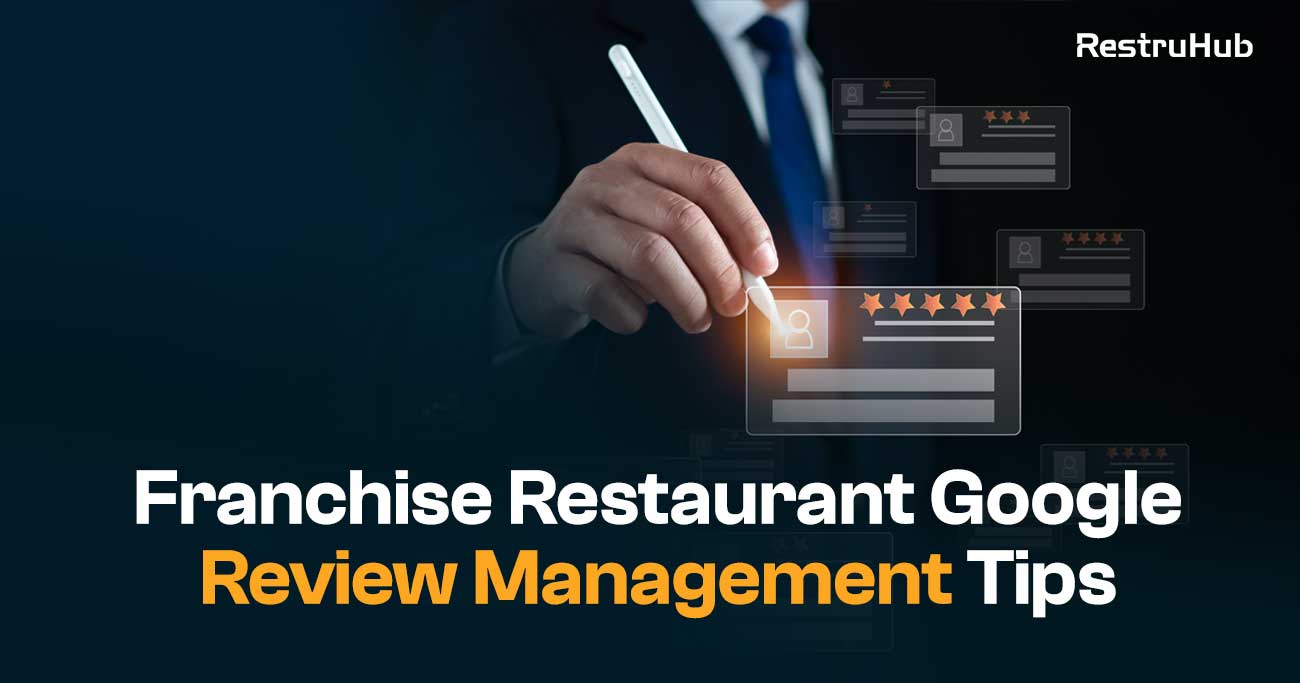
Franchise restaurants face a unique challenge when it comes to Google reviews. Each location serves different customers, yet every review reflects the same brand name. A single negative response at one branch can influence how people view the entire franchise network. Consistency, speed, and professionalism are essential across all locations. Without clear structure and defined roles, review management quickly becomes inconsistent and risky.
Corporate teams need visibility, while local managers need flexibility to engage customers directly. With a clear strategy and proper oversight, Google review management becomes a powerful tool to strengthen trust, protect brand reputation, and support sustainable franchise growth.
What Makes Franchise Review Management Different from Single Locations?
Franchise review management operates on a completely different level compared to single location restaurants. While a standalone restaurant focuses only on its own reputation, a franchise must protect a shared brand identity across multiple locations. This adds layers of complexity, responsibility, and risk.
Shared Brand, Multiple Operators
In a single location restaurant, one owner or team controls all communication. In a franchise system, multiple operators represent the same brand. Each location may have different managers, staff, and customer bases.
Despite these differences, every review reflects the entire brand. A poorly handled response in one city can influence customer perception in another. This shared identity requires stronger governance and coordination.
Corporate Oversight and Local Execution
Single location restaurants typically make quick decisions without external approval. Franchise systems must balance corporate standards with local flexibility.
Corporate teams often set brand voice guidelines and review policies. Local managers handle daily responses. This dual structure creates the need for clear permissions, approval workflows, and structured communication.
Higher Risk of Inconsistency
With multiple locations responding independently, inconsistency becomes a major risk. One branch may respond professionally and quickly, while another may ignore reviews or reply emotionally.
Inconsistent tone, messaging, or service promises can confuse customers. Maintaining alignment across locations requires systems that standardize response quality.
Increased Volume and Data Complexity
Franchises generate far more reviews than single restaurants. Monitoring feedback across dozens or hundreds of locations requires centralized dashboards and analytics.
Corporate teams must identify trends, compare performance between locations, and detect recurring issues. Single location businesses rarely face this level of complexity.
Greater Brand Exposure and Reputation Impact
A franchise brand often has stronger visibility and public recognition. This increases both opportunity and risk. Positive reviews can strengthen nationwide credibility, while negative viral incidents can spread quickly.
Because the stakes are higher, franchise review management demands structured governance, defined roles, and proactive monitoring. Unlike single location restaurants, franchises must think beyond individual reviews and focus on protecting the brand at scale.
7 Franchise Restaurant Google Review Management Tips
Franchise restaurants operate under a shared brand, but each location interacts with customers independently. This creates both opportunity and risk. A single well handled review can strengthen trust across the network, while a poorly managed response at one branch can damage the entire brand. Structured review management is essential for protecting consistency, supporting franchisees, and driving long term growth. Below are seven practical tips to help franchise restaurants manage Google reviews effectively.
1. Establish Clear Brand Voice Guidelines
Consistency in tone is critical for franchise brands. Customers expect the same professionalism and attitude from every location. Without defined guidelines, responses may vary widely in style and messaging.
Create a simple brand voice framework that outlines tone, language standards, and response structure. Provide examples for positive, neutral, and negative reviews. Templates can help maintain consistency while still allowing local managers to personalize their replies.
2. Define Corporate and Local Responsibilities
Franchise review management requires a clear division of responsibility. Corporate teams should focus on oversight, reporting, and policy compliance. Local managers should handle daily engagement and customer interaction.
When roles are unclear, delays and mistakes occur. Define who responds to standard reviews and who handles escalations. This clarity ensures faster response times and stronger brand protection.
3. Implement Structured Approval Workflows
Some reviews carry higher risk than others. Complaints involving food safety, discrimination, refunds, or legal issues should not be handled casually.
Establish an approval system where sensitive reviews are flagged for corporate review before publishing a response. This reduces the risk of emotional replies or policy violations. Structured workflows protect both the franchisee and the overall brand reputation.
4. Monitor Multi-Location Performance
Franchises must monitor reviews across all locations from a central view. Tracking only individual branches limits visibility and weakens strategic insight.
Compare average ratings, response times, and review volume between locations. Identify patterns and underperforming branches early. Regular performance reviews create accountability and encourage continuous improvement.
5. Set Clear Response Time Standards
Speed signals professionalism. Customers expect acknowledgment, especially when leaving negative feedback. Delayed responses can damage trust.
Set a network-wide response time target, such as replying within 24 hours. Make this a measurable performance indicator. Consistent response timing across locations reinforces reliability and brand strength.
6. Provide Ongoing Training for Franchisees
Not all franchisees have experience managing online reviews. Without guidance, responses may sound defensive or inconsistent.
Offer regular training sessions and simple response frameworks. Teach managers how to stay calm, empathetic, and solution focused. When franchisees understand the impact of online reputation, they are more likely to follow structured guidelines.
7. Use Centralized Technology for Oversight
Managing reviews manually across dozens of locations becomes overwhelming. Technology helps centralize monitoring, automate alerts, and track sentiment trends.
A unified dashboard allows corporate teams to maintain oversight while giving franchisees local control. Automated alerts for low star reviews ensure faster intervention. Reporting tools provide insight into performance trends and brand health.
When Should Corporate Step In to Manage Reviews?
Franchise restaurants rely on local managers to handle daily review responses, but not every situation should be managed at the store level. Certain reviews carry higher risk and require corporate oversight to protect the overall brand. Knowing when corporate should step in ensures consistency, compliance, and reputation safety.
Serious Allegations or Legal Risks
Corporate involvement is necessary when reviews include accusations related to food safety, discrimination, harassment, or legal threats. These situations can quickly escalate and harm the brand beyond one location.
Local managers may not have the training or authority to address legal language appropriately. Corporate teams should review and approve responses to ensure accuracy, professionalism, and policy alignment.
Viral or Public Relations Risk
If a review gains unusual visibility or traction, corporate should intervene. Negative posts that attract multiple comments, shares, or media attention require careful handling.
Central oversight helps craft a response that protects the brand’s public image. A coordinated message prevents inconsistent communication and reduces reputational damage.
Policy Violations or Refund Disputes
When a review involves refund demands, compensation claims, or policy disputes, corporate guidance is often needed. Franchisees may unintentionally promise solutions that conflict with company standards.
Corporate teams ensure responses follow official policies. This maintains fairness and prevents inconsistent compensation practices across locations.
Repeated Operational Complaints Across Locations
If similar complaints appear across multiple branches, the issue may indicate a broader operational problem. Corporate should analyze patterns and intervene at a higher level.
Central action might involve training updates, supply chain adjustments, or service improvements. Local managers alone cannot resolve systemic issues.
Inconsistent or Unprofessional Responses
If corporate notices emotional or off brand replies from a location, intervention is necessary. Allowing inconsistent communication weakens brand identity.
Corporate teams should provide guidance, corrective feedback, and possibly require approval for future responses from that location.
Corporate involvement should not replace local engagement. Instead, it should serve as a safeguard for high risk situations. Clear escalation guidelines help franchise systems maintain balance between local responsiveness and centralized brand protection.
Who Should Be Allowed to Respond to Reviews at Each Location?
Not everyone at a franchise location should have access to respond to Google reviews. Public responses represent the brand, not just the individual employee. Clear access control protects consistency, reduces risk, and ensures professionalism across all locations.
Location Manager or General Manager
In most cases, the location manager or general manager should be the primary person responsible for review responses. They understand daily operations, staff performance, and specific customer situations.
Because they oversee service quality, they are best positioned to respond accurately and empathetically. Limiting access to senior on site leadership reduces the risk of emotional or uninformed replies.
Designated Marketing or Customer Experience Lead
Some franchise locations may assign review management to a trained marketing or customer experience team member. This works well when the individual understands brand guidelines and communication standards.
A designated responder ensures consistency. Instead of multiple employees replying randomly, one trained person maintains tone and structure.
Regional Manager in Multi-Unit Operations
In larger franchise systems, regional managers may oversee responses for several locations. This provides additional consistency across branches within a region.
Regional oversight can also support smaller locations that lack internal resources. It adds another layer of accountability while keeping responses aligned with corporate standards.
Corporate Oversight for Sensitive Cases
While local managers handle routine feedback, corporate teams should retain visibility and approval authority for high risk reviews. Sensitive topics, legal concerns, or policy disputes may require escalation.
Role based permissions in review management systems help control access levels. Local teams can respond to standard reviews, while corporate reviews or approves complex cases.
Avoid Open Access to All Staff
Allowing multiple employees unrestricted access increases inconsistency. Different tones, styles, and emotional reactions can weaken brand identity.
Access should be limited to trained and authorized individuals. Clear responsibility reduces confusion and protects reputation.
By defining who can respond and under what conditions, franchise restaurants create structure. Controlled access ensures professional communication while preserving local insight and responsiveness.
How To Scale Review Management as the Franchise Grows
As a franchise expands, review management becomes more complex. What works for five locations will not work for fifty. Without structure, growth can lead to inconsistent responses, slower engagement, and higher brand risk. Scaling review management requires systems, clarity, and technology.
Standardize Processes Early
Before rapid expansion, create clear review response guidelines. Define tone, structure, approval rules, and response time expectations.
When processes are documented early, new locations can follow the same framework. Standardization prevents confusion and keeps brand voice consistent as the network grows.
Implement Centralized Monitoring
Growth increases review volume. Corporate teams need visibility across all branches from one dashboard.
Centralized monitoring allows leadership to track ratings, response rates, and sentiment trends. It also helps identify underperforming locations quickly. Without central oversight, issues can go unnoticed until they escalate.
Introduce Role-Based Permissions
As more locations join the network, not everyone should have the same level of access. Role-based permissions ensure local managers handle routine reviews while corporate oversees sensitive cases.
Clear access levels reduce errors and protect brand reputation. Scaling becomes safer when responsibilities are clearly defined.
Use Automation and Alerts
Manual tracking becomes inefficient at scale. Automated alerts for new or low star reviews improve response speed.
Scheduling follow up reminders and using structured templates help maintain consistency. Automation supports growth without sacrificing quality.
Scaling review management is not just about handling more reviews. It is about maintaining consistency, speed, and control as the franchise network expands. A structured system ensures growth strengthens the brand instead of weakening it.
How RestruHub Supports Franchise-Level Review Management
RestruHub provides a centralized system designed for multi-location restaurant brands. Corporate teams can monitor reviews, ratings, and response activity across all franchise locations from one unified dashboard. This ensures full visibility without removing local control.
Role-based permissions allow franchise managers to handle routine responses, while sensitive or high-risk reviews can be escalated for corporate approval. Real-time alerts help teams respond quickly to low-star feedback before issues grow.
RestruHub also supports brand-aligned response templates and performance benchmarking across locations. By combining structured governance, clear oversight, and local flexibility, RestruHub helps franchise restaurants protect brand consistency while scaling review management confidently.
FAQs
How often should franchise restaurants monitor Google reviews?
Franchise restaurants should monitor reviews daily at the location level and weekly at the corporate level. Daily monitoring ensures timely responses, while corporate oversight helps track trends and performance across all branches.
Should corporate respond to every negative review?
Not necessarily. Routine negative reviews can be handled by trained local managers. Corporate should step in for high-risk issues such as legal claims, policy disputes, or complaints that gain public attention.
How can franchise brands maintain a consistent response tone?
Create clear brand voice guidelines and provide response templates. Role-based permissions and periodic training help ensure every location follows the same communication standards.
What is an acceptable response time for franchise locations?
A response within 24 hours is considered best practice. Faster responses demonstrate attentiveness and reduce the risk of negative perception spreading online.
How can technology improve franchise review management?
Centralized dashboards, automated alerts, and performance tracking tools simplify oversight. Technology helps corporate teams maintain visibility while allowing local managers to engage customers efficiently.
Want to Grow Your Reviews?
Learn how Restuhub helps 500+ businesses automate their Google reviews.
Free Consultation