
7 Best Google Review Management Software For Franchise Restaurants
Last Update: 7 weeks ago

Written By:
Shahinul
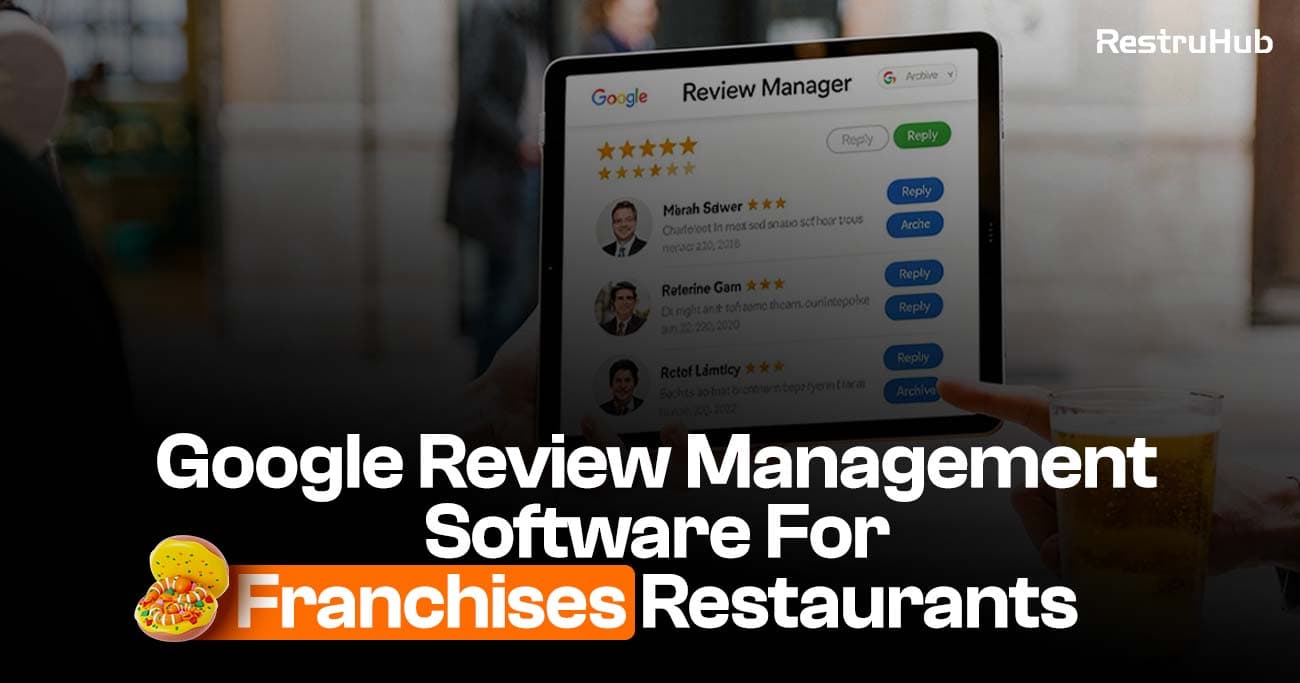
Managing Google reviews across a franchise restaurant network is far more complex than handling feedback for a single location. Each branch represents the same brand, yet operates with different managers, teams, and local customer expectations. Without a structured system, responses can become inconsistent, slow, or even damaging to the brand’s reputation. Corporate teams need visibility and control, while franchisees need flexibility to engage with their local customers effectively.
The right Google review management software bridges this gap by centralizing oversight, enforcing brand voice guidelines, and enabling location-level responsiveness. Below, we explore seven of the best Google review management platforms designed specifically to support franchise restaurants at scale.
The Core Challenge: Balancing Corporate Control and Local Flexibility
Franchise restaurants must protect brand reputation while allowing local managers to engage customers in a timely and authentic way. Managing Google reviews across multiple locations requires structure, visibility, and shared responsibility between corporate teams and franchise owners.
The Responsibility of Corporate Leadership
Corporate leadership is accountable for the overall brand image. Every Google review response reflects the franchise as a whole. If one location responds poorly, customers may assume the issue represents the entire brand.
Corporate teams must ensure consistent tone, service standards, and messaging. They also need access to performance data across all locations. Without centralized oversight, it becomes difficult to identify patterns such as recurring complaints about service speed, food quality, or cleanliness. Clear governance helps protect the brand from long term damage.
The Role of Local Managers
Local managers handle daily operations and customer interactions. They understand what happened during a specific shift and can provide context that corporate teams may not have. This insight allows them to craft responses that feel real and personal.
Quick replies are also important. Customers expect acknowledgment, especially when they leave negative feedback. If local teams must wait for approval for every response, delays can frustrate customers and weaken trust. Empowering local managers improves responsiveness and authenticity.
The Risk of Over Control
Too much corporate control can create bottlenecks. When every response requires approval, simple reviews take too long to address. Franchisees may feel restricted and less motivated to manage their reputation actively.
Overcontrol often leads to generic responses. Customers can easily recognize copy and paste replies. This weakens engagement and reduces credibility. A rigid system may protect the brand in theory, but harm customer relationships in practice.
The Risk of Too Much Freedom
On the other hand, unlimited freedom creates inconsistency. Different locations may use different tones or make promises that do not align with company policy. Customers visiting multiple branches may notice these differences.
There is also risk in handling sensitive issues. Emotional responses or incorrect statements can escalate public disputes. Without structured permissions, corporate teams may not even be aware of growing problems.
Building Structured Flexibility
The solution is a balanced system. Corporate teams define brand guidelines, templates, and escalation rules. Local managers respond within those boundaries while adding personal context.
Sensitive or low-rated reviews can trigger approval workflows. Positive reviews can be handled directly by local teams. This structured flexibility protects brand consistency while keeping responses fast and human. For franchise restaurants, mastering this balance is essential for long-term reputation success.
What Franchise Brands Should Look For in Google Review Software
Choosing the right Google review software is critical for franchise restaurants. The tool must support both corporate oversight and local flexibility while keeping brand reputation consistent across every location in the network.
Multi Location Dashboard
Franchise brands need one central dashboard that shows reviews from every location. Corporate teams should be able to see ratings, response rates, and trends without logging into separate accounts.
A clear overview helps leadership quickly spot problems. If one branch has a drop in ratings, action can be taken immediately. At the same time, local managers should only see data related to their own location. This keeps reporting simple and organized.
Role Based Permissions
Not everyone should have the same level of access. Corporate teams may need full control, while franchise managers only need permission to respond to reviews.
Role based permissions protect the brand from mistakes. They ensure sensitive changes cannot be made by the wrong person. This structure also reduces confusion about responsibilities. Everyone knows what they can and cannot do inside the system.
Approval Workflows
Some reviews require more attention than others. A simple five star review may not need approval. A serious complaint about food safety might.
Good software allows automatic approval workflows. For example, low star reviews can be flagged for corporate review before a response is published. This keeps communication fast but controlled. It prevents emotional or risky replies from going live without oversight.
Brand Voice and Response Templates
Consistency in tone matters for franchise brands. The software should allow corporate teams to create approved templates that reflect the company voice.
Local managers should be able to personalize these templates while staying within brand guidelines. This balance keeps responses human and specific while protecting overall messaging. Customers feel heard, and the brand remains consistent.
Reporting and Performance Insights
Strong reporting tools are essential. Corporate leadership needs insights into average ratings, response times, sentiment trends, and location comparisons.
Benchmarking locations helps identify high performers and underperforming branches. It also highlights common issues across regions. Clear data supports better decisions and continuous improvement.
7 Best Google Review Management Software For Franchise Restaurants
Franchise restaurants need structured tools to manage reviews across multiple locations. The right software protects brand reputation, ensures response consistency, and gives corporate teams full visibility across the entire network.
1. RestruHub – Centralized Franchise Review Command
RestruHub is built specifically for restaurant brands and franchise networks that need centralized control with local flexibility. It allows corporate teams to monitor every location from one dashboard while enabling franchise managers to respond quickly and professionally. The platform focuses on structured governance, brand consistency, and scalable review management.
Key Features:
- Centralised multi-location dashboard
- Role-based access for corporate and franchise managers
- Approval workflows for low-star or sensitive reviews
- Brand-approved response templates
- AI-assisted response drafting
- Sentiment tracking and trend analysis
- Location performance benchmarking
- Real-time negative review alerts
Best For: RestruHub is best for growing and established franchise restaurant brands that need strong corporate oversight, consistent brand voice, and structured review governance without limiting local responsiveness.
2. Reputation – Enterprise Brand Governance
Large franchise systems often require strict control, detailed reporting, and structured compliance processes. Reputation is widely known for supporting enterprise-level brands that operate across hundreds or even thousands of locations.
The platform focuses heavily on brand governance. Corporate teams can monitor and review activity across all branches from one dashboard while maintaining clear approval hierarchies. Advanced analytics provide insight into sentiment trends, customer satisfaction scores, and location performance gaps. This helps leadership identify underperforming stores and take corrective action quickly.
Key Features:
- Enterprise-grade multi-location dashboard
- Advanced analytics and executive reporting
- Structured approval workflows
- Role-based permissions
- Sentiment and trend analysis
- Competitive benchmarking
Best For: Well-suited for large franchise restaurant networks that require strict brand control, executive-level reporting, and compliance oversight across many regions.
3. SOCi – Corporate + Local Review Control
Balancing brand consistency with local autonomy becomes easier when governance tools are built directly into the platform. SOCi supports franchise systems that want centralized visibility while still allowing local managers to respond to customer feedback.
Corporate teams can publish approved messaging frameworks and monitor engagement across all locations. At the same time, franchise managers can handle day to day responses within defined guidelines. Cross location reporting helps identify trends and compare performance between stores.
Key Features:
- Centralized review monitoring
- Local response management
- Brand-approved messaging controls
- Cross-location performance reports
- Workflow management tools
Best For: Ideal for mid to large franchise brands seeking a balance between corporate oversight and local engagement without slowing response times.
4. Chatmeter – Location Performance Benchmarking
For franchise brands that prioritize performance comparison and operational insights, Chatmeter offers strong benchmarking capabilities. The platform focuses on helping multi location businesses understand how each branch performs in terms of reviews, ratings, and customer sentiment.
Instead of only collecting reviews, Chatmeter turns feedback into measurable performance data. Corporate teams can compare locations side by side, track rating trends over time, and identify recurring operational issues. This makes it easier to spot which stores are excelling and which need additional support or training.
The reporting tools are designed to highlight patterns across regions. Sentiment analysis helps uncover common complaints related to service, food quality, or cleanliness. These insights support data driven decisions at both corporate and regional levels.
Key Features:
- Location level benchmarking
- Sentiment analysis and trend tracking
- Competitive performance insights
- Multi location reporting dashboard
- Custom analytics and performance metrics
Best For: Franchise restaurant brands that want detailed performance comparisons and operational insights across multiple locations.
5. Yext Reviews – Large-Scale Location Oversight
Managing review data across hundreds of locations requires structure and consistency. Yext Reviews is built for brands that operate at scale and need strong control over digital presence and customer feedback.
The platform centralizes review monitoring while ensuring brand messaging remains aligned. Corporate teams gain visibility across all locations, while local managers can engage customers within approved frameworks. Yext also integrates review management with broader listing and location data management, helping maintain consistency across digital channels.
Its strength lies in large scale oversight and structured governance.
Key Features:
- Centralized review monitoring
- Brand level control across locations
- Integration with location data management
- Scalable reporting tools
- Workflow and permission management
Best For: Large franchise networks that require centralized oversight, structured governance, and digital consistency across many locations.
6. Uberall – Global Multi-Location Reputation
Expanding across countries brings new challenges in reputation management. Uberall supports franchise brands that operate in multiple regions and need consistent oversight across different markets.
The platform centralizes review monitoring for all locations, including international branches. Corporate teams can track ratings, responses, and trends across countries while maintaining brand standards. Multi language support makes it easier to manage reviews in different regions without losing message consistency.
Key Features:
- Global multi location dashboard
- Multi language review monitoring
- Centralized brand control
- Regional performance reporting
- Location data management integration
Best For: Franchise restaurant brands operating across multiple countries that need global oversight with localized engagement.
7. Birdeye Reviews – Review Automation at Scale
Speed and automation are critical for growing franchise systems. Birdeye Reviews focuses on simplifying review management through automation and AI powered tools.
The platform helps franchise locations generate more reviews through automated review requests. It also supports AI assisted responses to improve efficiency while maintaining professionalism. Corporate teams can monitor performance across all branches and ensure consistent engagement standards.
Automation reduces manual workload for local managers while keeping response rates high. This is especially useful for franchises with many locations and limited marketing staff.
Key Features:
- Automated review request campaigns
- AI assisted response suggestions
- Multi location dashboard
- Performance tracking and analytics
- Role based access controls
Best For: Growing franchise restaurant networks that want scalable automation to improve response speed and increase review volume across locations.
Feature Comparison for Franchise Brands
Franchise restaurant brands need more than simple review monitoring. Structured approval systems, controlled access, consistent brand voice, and deep reporting are essential for protecting reputation at scale. Below is a detailed comparison focused on the features that matter most for franchise governance.
| Platform | Approval Workflows | Role Permissions | Brand Voice Control | Reporting Depth |
| RestruHub | Customizable workflows for low star and sensitive reviews. Corporate escalation triggers available. | Granular access levels for corporate, regional, and franchise managers. | Brand approved templates with local customization. AI aligned to brand tone. | Advanced multi location analytics, sentiment tracking, benchmarking. |
| Reputation | Structured enterprise approval chains with compliance tracking. | Enterprise grade hierarchy with strict governance controls. | Strong centralized brand messaging enforcement. | Executive level reporting with deep sentiment and performance analytics. |
| SOCi | Configurable approval routing for corporate review before publishing. | Corporate and location level permissions with shared visibility. | Centralized messaging framework with local flexibility. | Cross location performance reports with operational insights. |
| Chatmeter | Approval options available but more analytics focused. | Multi level user roles for regional and store managers. | Moderate brand guidance features. | Strong benchmarking, competitive insights, and sentiment analysis. |
| Yext Reviews | Workflow management for review response approvals. | Centralized control with scalable user management. | High level brand consistency controls across locations. | Enterprise reporting with integration into broader location data systems. |
| Uberall | Escalation processes for critical or negative reviews. | Regional and corporate role segmentation. | Brand control across global markets with multi language support. | Regional comparison reports and global analytics dashboards. |
| Birdeye Reviews | Limited structured approval compared to enterprise tools. | Role based access for multi location teams. | Template driven responses with AI assistance. | Moderate reporting with focus on engagement metrics and review growth. |
Why Franchise Restaurants Need Structured Review Governance
Franchise restaurants operate under one shared brand name, but each location interacts with customers independently. This structure makes review management more complex than it appears. A single negative review handled poorly at one branch can affect how customers perceive the entire franchise network. Structured review governance helps prevent that risk.
Without a clear system, responses can become inconsistent. One location may reply professionally and quickly, while another may ignore feedback or respond emotionally. Over time, this inconsistency weakens brand trust. Customers expect the same experience and communication style no matter which location they visit.
Structured governance also gives corporate teams visibility. Leadership can monitor and review trends, identify recurring operational issues, and support underperforming locations. Instead of reacting to crises, they can act early.
In addition, governance protects against compliance risks. Public responses must align with company policies and legal standards. A structured system with defined roles and approval workflows ensures that sensitive reviews are handled carefully. For franchise restaurants, structured review governance is essential for protecting reputation, maintaining consistency, and supporting long-term growth.
Corporate vs Franchisee Access: How the Right Software Manages Both
Franchise restaurants operate with shared brand ownership but distributed responsibility. Managing Google reviews requires clear access levels so corporate teams maintain oversight while franchise managers handle daily engagement effectively.
Clear Role-Based Access Structure
The right software separates access based on responsibility. Corporate administrators typically need full visibility across all locations. They monitor ratings, response activity, sentiment trends, and compliance issues.
Franchise managers, however, should only access their specific branch. This keeps the system organized and prevents confusion. Role-based access ensures sensitive controls such as editing brand templates or adjusting approval rules remain limited to corporate users. Everyone understands their permissions, which reduces errors and protects brand integrity.
Centralized Oversight with Local Execution
Corporate teams require a unified dashboard that shows performance across the entire network. From one place, leadership can track response times, review volume, and recurring complaints.
At the same time, franchisees need the ability to respond quickly to customers. The best systems allow local managers to handle day to day reviews without waiting for approval for every message. Corporate can still monitor activity in real time, creating transparency without slowing operations.
Approval Workflows for Sensitive Cases
Not all reviews carry the same risk. Positive feedback may not require supervision. However, low star reviews, legal concerns, or serious complaints should trigger automatic escalation.
Good software allows custom approval workflows. For example, a one or two star review can be routed to a regional manager or corporate office before publishing a response. This prevents emotional replies while keeping routine engagement simple and fast.
Shared Templates with Controlled Customization
Brand voice consistency is critical for franchise systems. Corporate teams can create approved response templates that reflect the company's tone and policies.
Franchise managers can personalize these templates to match the situation. This keeps responses human and relevant while protecting overall messaging standards. Customers receive authentic replies that still align with brand identity.
Reporting and Accountability Across Levels
Access management is not only about permissions. It is also about shared visibility. Corporate teams need detailed reports to evaluate location performance. Franchise managers benefit from seeing their own response rates and ratings over time.
The right software creates accountability at both levels. The corporation protects the brand, and franchisees maintain local relationships. When access is structured properly, review management becomes collaborative instead of conflicting.
How RestruHub Helps Franchise Restaurants Maintain Brand Consistency at Scale
RestruHub helps franchise restaurant brands manage Google reviews with structure and clarity. Corporate teams can monitor every location from one centralized dashboard, giving full visibility into ratings, response activity, and sentiment trends. This ensures no branch operates in isolation.
The platform supports role-based access, so franchise managers can respond to reviews while corporate retains control over brand standards. Approval workflows can be activated for low star or sensitive reviews, reducing the risk of inconsistent or emotional replies.
Brand-approved templates guide responses while still allowing local personalization. Sentiment tracking and location benchmarking help leadership identify gaps and maintain consistent service quality.
By combining oversight with flexibility, RestruHub protects brand reputation while empowering franchise teams to engage customers confidently and consistently.
FAQs
How many franchise locations require structured review management software?
Most franchise brands begin to benefit from structured review management once they operate five or more locations. As the network grows, tracking reviews manually becomes difficult and inconsistent. A centralized system ensures better visibility, faster responses, and stronger brand protection across all branches.
Can corporate teams monitor all locations without interfering daily?
Yes, the right software allows corporate leadership to maintain full visibility without micromanaging local managers. Corporate teams can monitor ratings, response activity, and trends from one dashboard, while franchisees handle routine engagement independently.
How can franchise brands maintain a consistent voice across locations?
Brand consistency is maintained through approved response templates and clear communication guidelines. Local managers can personalize replies within those boundaries. This approach keeps responses authentic while ensuring they reflect the company’s tone and standards.
What happens if a franchisee posts an inappropriate response?
Structured approval workflows and role based permissions reduce this risk. Sensitive reviews can require corporate approval before publishing. This prevents emotional or policy violating responses from going public.
Does review management software improve ratings over time?
When reviews are managed consistently and professionally, customer trust improves. Faster responses and better issue resolution often lead to higher satisfaction levels, which can positively influence overall ratings over time.
Kickstart Your Growth With Restuhub 🚀
We help businesses dominate their local search and manage reviews automatically. Join the hundreds of brands scaling with Restuhub.
Free Consultation
Leave a Reply