How To Scale Google Review Responses Across Franchise Locations
Last Update: 32 weeks ago
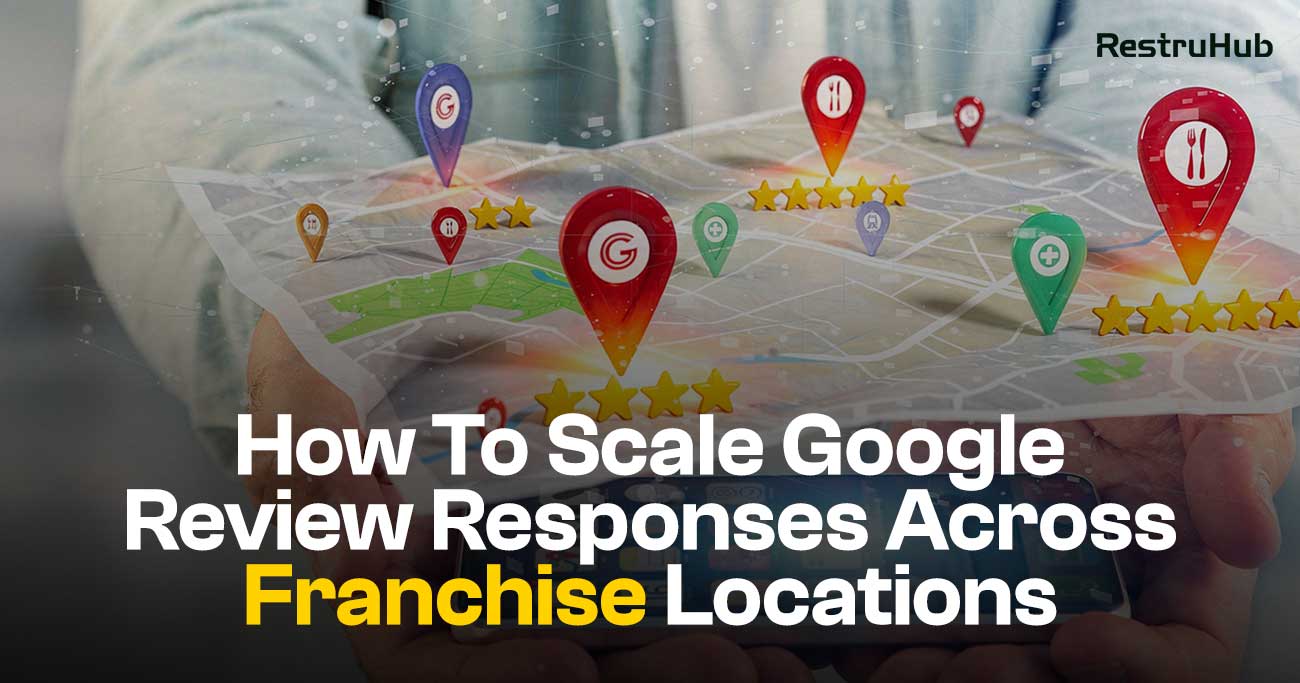
Scaling Google review responses across franchise locations is not just about replying faster. It is about building a structured system that maintains brand consistency while allowing local flexibility. As franchise networks grow, review volume increases, and without a clear process, responses can become inconsistent, delayed, or poorly handled.
Each location represents the same brand, so every public reply shapes overall reputation. Franchise owners need a scalable strategy that balances centralized oversight with location-level personalization. From setting response standards to using automation wisely, the right framework ensures quality does not decline as the business expands. This guide explains how to scale Google review responses efficiently while protecting brand voice and customer trust across all franchise locations.
Why Franchise Review Replies Break at Scale
As franchise networks expand, managing Google review replies becomes increasingly difficult. What works for five locations often fails at fifty. Without structure and oversight, response quality declines and brand consistency weakens.
No Centralized Control System
Many franchise brands allow each location to manage reviews independently. While this gives flexibility, it creates fragmentation. Head office often lacks visibility into how reviews are handled across branches.
Without centralized monitoring, negative feedback may go unanswered and tone may vary widely. Over time, this lack of control weakens brand credibility and creates uneven customer experiences.
Inconsistent Training Across Locations
Not all franchise managers receive the same communication training. Some understand how to respond professionally, while others treat review replies as informal tasks.
This inconsistency leads to mixed messaging. One branch may provide thoughtful and empathetic responses, while another may respond briefly or defensively. As the network grows, maintaining communication standards becomes harder without structured training.
Increased Review Volume Overwhelms Teams
Scaling locations means scaling review volume. More customers generate more feedback, both positive and negative.
Local managers already juggle staffing, inventory, and daily operations. Without a defined reply process, reviews become secondary priorities. Delays increase, and response quality suffers as workload grows.
Lack of Clear Accountability
In larger franchise systems, responsibility for review replies can become unclear. Is it the local manager’s job, regional supervisor’s role, or head office responsibility?
When ownership is not clearly defined, responses are delayed or ignored. Clear accountability structures are essential to maintain performance standards at scale.
No Performance Tracking or Feedback Loop
Many franchises do not track response time, tone consistency, or engagement quality. Without measurable KPIs, there is no way to evaluate performance or identify weak locations.
Scaling without tracking leads to blind spots. Over time, small reply inconsistencies compound into larger reputation problems that affect the entire brand.
Without centralized systems, standardized training, clear accountability, and measurable performance tracking, franchise review management naturally breaks down as the business grows. Structure is the key to scaling without sacrificing brand trust.
How To Scale Google Review Responses Across Franchise Locations
Scaling Google review responses across franchise locations requires more than just assigning someone to reply. As the network grows, response quality, consistency, and speed can quickly decline without structure. To scale effectively, franchises must combine centralized control, local flexibility, accountability, and smart automation.
Build a Central Command System Before Expanding
Before adding more locations, franchises need a centralized review management system. A central command dashboard allows head office to monitor reviews from all branches in one place.
This visibility ensures no negative feedback goes unnoticed. Leadership can track ratings, response times, and sentiment trends across locations. Without centralized oversight, scaling only increases chaos. A structured control system prevents fragmentation and protects brand consistency from the start.
Define What Must Be Standardized and What Can Be Local
Not everything should be controlled centrally, and not everything should be left to local discretion. Successful scaling requires clarity about what must remain consistent and what can be personalized.
Brand tone, apology structure, and response guidelines should be standardized across all locations. However, referencing specific service details or local staff interactions should remain flexible. This balance keeps responses aligned with brand identity while maintaining authenticity at the branch level.
Turn Response Time Into a Measurable KPI
Speed is critical in reputation management. As franchise networks grow, delays become more common unless response time is treated as a measurable performance indicator.
Set clear benchmarks, such as responding to negative reviews within 24 hours and positive ones within 48 hours. Track these metrics monthly and include them in performance evaluations. When response time becomes a KPI, accountability increases, and consistency improves across locations.
Automate the First Layer, Humanize the Final Reply
Automation helps manage volume, but it should not replace human judgment. Franchises can use automated alerts to flag new reviews and AI-generated draft responses to save time.
However, managers should review and personalize every reply before publishing. Automation speeds up the first layer of engagement, while human input ensures empathy and relevance. This combination allows franchises to scale without sounding robotic or disconnected.
Train Franchise Managers on Public Communication
Responding to Google reviews is public brand communication. Not all managers naturally understand how to write professional and empathetic replies.
Provide structured training sessions focused on tone, conflict resolution, and brand messaging. Share examples of strong responses and explain why certain language builds trust. Ongoing training ensures communication quality remains high as new franchise managers join the network.
Separate Everyday Complaints from High-Risk Issues
Not all negative reviews require the same level of attention. Some involve minor service delays, while others raise serious concerns such as food safety or discrimination.
Create a classification system that distinguishes routine complaints from high-risk issues. Everyday feedback can be handled locally, while sensitive or legal-related matters should be escalated to regional or head office management. Clear categorization prevents mismanagement of critical situations.
Create a Feedback Loop from Reviews to Operations
Scaling review responses is not only about replying. It is about learning. Reviews often reveal operational weaknesses such as inconsistent food quality or staffing shortages.
Franchises should regularly analyze review patterns by location and share insights with operational teams. If multiple branches receive similar complaints, corrective action can be implemented at a broader level. Turning feedback into improvement strengthens long-term performance and reduces recurring negative reviews.
Scaling Google review responses successfully requires structure before growth. Centralized monitoring, clear standards, measurable KPIs, smart automation, consistent training, risk classification, and operational feedback loops work together to protect brand reputation.
Franchise growth should not weaken response quality. With the right framework in place, restaurants can expand confidently while maintaining professionalism, customer trust, and consistent brand voice across every location.
The Risk of Scaling Without Structure
Scaling franchise locations without a structured review management system may seem manageable at first, but over time it creates serious operational and reputation risks. Growth increases complexity, and without clear processes, review handling quickly becomes inconsistent and reactive.
Inconsistent Customer Experience Across Locations
When each branch responds to reviews independently without defined guidelines, customer experience becomes uneven. Some locations may reply quickly and professionally, while others delay or ignore feedback.
Customers expect consistency from franchise brands. If communication tone and response quality vary, it weakens trust. Over time, inconsistent engagement damages brand credibility across the entire network.
Increased Reputation Vulnerability
Without centralized monitoring, negative reviews can remain unanswered for extended periods. A single unresolved complaint can influence potential customers researching the brand.
As the number of locations grows, so does the exposure risk. One poorly managed branch can generate repeated complaints that affect how customers perceive the entire franchise. Scaling without structure multiplies reputation vulnerability.
Operational Blind Spots
Unstructured scaling also creates data gaps. Without tracking response time, sentiment trends, and recurring complaint categories, leadership loses visibility into performance at the branch level.
This lack of insight prevents proactive improvements. Operational issues may continue unnoticed because feedback is not systematically analyzed. Growth without oversight leads to blind spots that impact service quality.
Decline in Response Speed and Quality
As review volume increases, local managers often struggle to keep up. Without standardized workflows or automation support, responses become delayed or rushed.
Slow or poorly written replies send the wrong message to customers. Instead of demonstrating accountability, they suggest disorganization. Over time, declining response quality harms ratings and customer trust.
Difficulty Maintaining Brand Identity
Franchise expansion demands brand consistency. Without structured communication standards, review replies may reflect personal writing styles rather than brand voice.
This inconsistency dilutes brand identity and creates confusion. Customers should feel the same professionalism and tone across all locations. Structure ensures growth strengthens the brand instead of weakening it.
Scaling without structure may appear faster in the short term, but it creates long-term risks that undermine reputation, customer loyalty, and operational performance. Sustainable franchise growth requires systems that support consistency, accountability, and strategic review management.
Technology Framework Required for Franchise-Level Review Management
As franchise networks grow, manual review management quickly becomes inefficient. A scalable technology framework is essential to maintain visibility, speed, and consistency across all locations. Without the right tools, review handling becomes fragmented and reactive.
Centralized Multi-Location Dashboard
A franchise-level system must bring all Google Business Profiles into one unified dashboard. Instead of logging into separate accounts, leadership should have real-time visibility across every branch.
This centralized control allows teams to monitor ratings, new reviews, and response activity in one place. It reduces monitoring gaps and ensures no location operates in isolation.
Smart Alert and Prioritization System
Not all reviews require equal attention. A strong framework includes automated alerts that flag negative and high-risk feedback immediately.
Prioritization ensures urgent issues are handled first. Real-time notifications through email or messaging platforms reduce delays and improve response discipline across locations.
AI-Assisted Reply and Template Management
Scaling replies manually across dozens of branches can overwhelm managers. AI-assisted tools can generate draft responses aligned with brand tone.
Structured templates help maintain consistency while allowing personalization. Automation handles the initial layer of engagement, while managers refine and humanize final replies.
Role-Based Access and Permission Controls
Franchise operations require clear access management. A reliable system allows head office to oversee all locations while granting local managers limited, role-based permissions.
This balance protects brand integrity while maintaining local flexibility. It also prevents unauthorized edits or inconsistent messaging.
Performance Analytics and Reporting Tools
Technology must provide measurable insights. Tracking response time, rating trends, sentiment patterns, and review volume per location is essential.
Regular reporting helps identify underperforming branches and recurring operational issues. Data-driven visibility transforms review management from reactive communication into strategic brand control.
A scalable technology framework supports consistency, accountability, and operational improvement. For franchise brands, investing in structured tools is not optional. It is necessary to protect reputation while expanding confidently across markets.
How RestruHub Powers Scalable Review Replies for Franchise Brands
RestruHub enables franchise brands to scale Google review replies without sacrificing speed, consistency, or brand voice. By centralizing all locations into one unified dashboard, head office gains full visibility into review activity across every branch. This eliminates monitoring gaps and ensures no critical feedback is missed.
The platform uses smart alert prioritization to highlight negative and high-impact reviews first, helping teams respond quickly and reduce reputation risk. AI-powered reply suggestions aligned with your brand guidelines allow managers to respond efficiently while maintaining personalization.
RestruHub also tracks response time, sentiment trends, and performance by location, turning review management into a measurable KPI. With centralized oversight and location-level flexibility, franchise brands can grow confidently while keeping their public communication structured and consistent.
FAQs
How can franchises keep review replies consistent across all locations?
Franchises can maintain consistency by creating clear brand voice guidelines, using structured response templates, and centralizing review monitoring. Oversight from head office combined with location-level personalization ensures replies remain professional while still addressing specific customer experiences at each branch.
Should franchise headquarters control all review responses?
Headquarters should provide oversight and structure, but local managers should handle daily replies. This balance allows responses to stay authentic and situation-specific while ensuring tone, quality, and response time standards remain aligned with brand expectations.
What is the biggest obstacle in scaling review replies?
The biggest challenge is inconsistency caused by fragmented systems and unclear accountability. Without centralized monitoring and measurable KPIs, response speed and quality decline as franchise networks grow.
Can automation replace human review responses?
Automation can assist by generating draft replies and sending alerts, but human review is still essential. Personalization and empathy are critical in maintaining trust and protecting brand reputation.
How often should franchise brands evaluate review performance?
Franchise brands should review performance weekly for response time tracking and monthly for rating trends and sentiment analysis. Regular audits ensure consistency and continuous improvement.
Want to Grow Your Reviews?
Learn how Restuhub helps 500+ businesses automate their Google reviews.
Free Consultation