
How To Respond To Negative Google Reviews For Restaurants
Last Update: 7 weeks ago

Written By:
Sakib Al Hasan
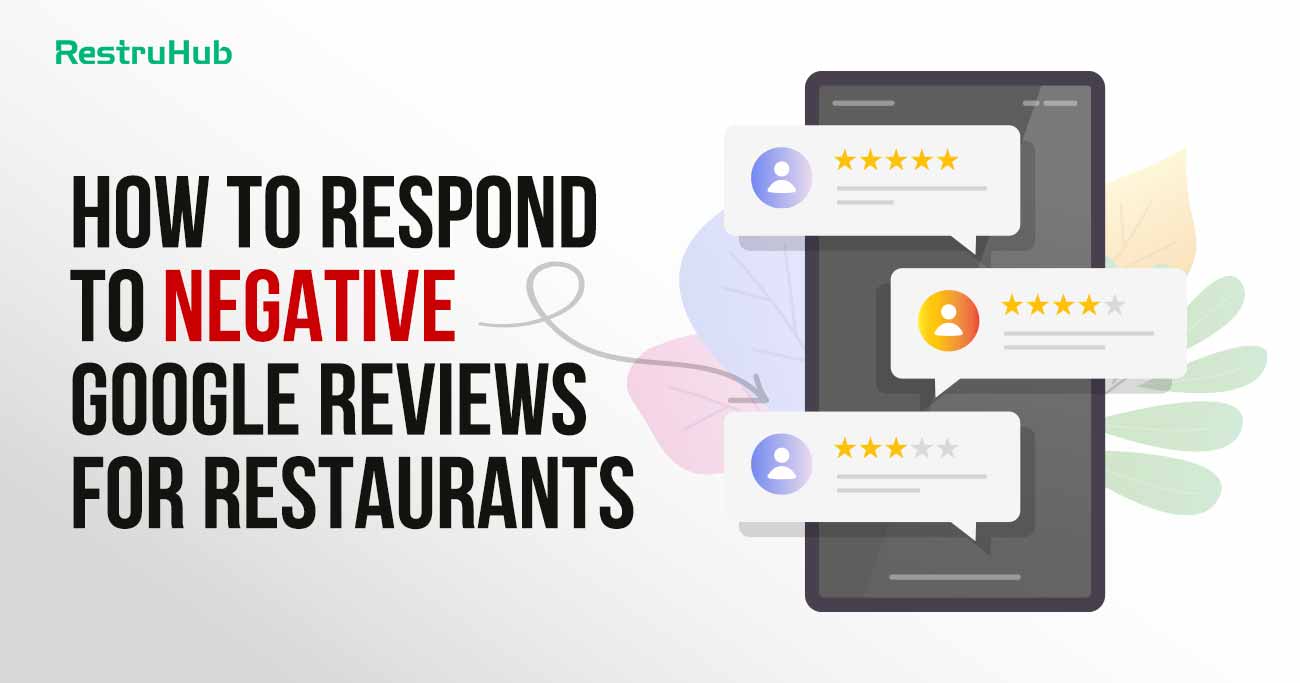
Negative Google reviews can feel frustrating for restaurant owners. Still, how you respond matters more than the review itself. Customers often read responses to judge professionalism and care. A calm and thoughtful reply can protect trust and even turn a bad experience into a positive impression. Ignoring negative feedback or reacting emotionally can make things worse. The goal is not to win an argument.
The goal is to show respect, accountability, and willingness to improve. When handled well, negative reviews become a chance to show good service beyond the dining table. Learning how to respond properly helps restaurants protect their reputation, reassure future diners, and stay competitive in a crowded market.
Why Negative Google Reviews Matter More Than You Think
Negative Google reviews influence perception, visibility, and customer decisions in ways many restaurant owners underestimate. Even a small number of critical reviews can shape long term reputation and behavior.
Negative Reviews Shape First Impressions Instantly
Customers often notice negative reviews first. Critical feedback stands out visually and emotionally when people scan listings quickly.
One detailed complaint can frame expectations before any positive review is read. First impressions formed through criticism can create hesitation and reduce interest, even when overall ratings remain strong.
Customers Give More Weight to Negative Feedback
Human psychology naturally focuses on potential risk. Negative information feels more important than positive praise.
Customers read negative reviews carefully to understand what might go wrong. Complaints about service, cleanliness, or attitude receive extra attention. Weight given to criticism often exceeds its actual frequency.
Silence Around Negative Reviews Reduces Trust
Unanswered negative reviews create doubt. Customers interpret silence as avoidance or lack of care.
When no response appears, readers assume problems remain unresolved. Engagement reassures customers that concerns are acknowledged and handled responsibly. Lack of response weakens credibility and trust.
Negative Reviews Influence Local Search Behavior
Critical reviews affect how customers interact with listings. Lower confidence leads to fewer clicks, calls, and direction requests.
Reduced engagement sends weaker signals to search platforms. Over time, behavior shaped by negative perception can affect visibility and competitive position in local results.
Negative Reviews Set Expectations for the Experience
Customers arrive with expectations shaped by reviews. Complaints establish mental benchmarks for service speed, food quality, or staff behavior.
Experiences matching negative expectations feel disappointing. Experiences exceeding expectations can recover trust, but initial doubt still influences satisfaction. Reviews shape emotional readiness before arrival.
Poor Handling Amplifies Long Term Impact
Handling matters as much as content. Defensive or emotional responses often worsen perception.
Professional handling reduces damage and restores confidence. Poor handling makes criticism feel valid and ongoing. The way a restaurant responds determines whether negative feedback fades or grows stronger over time.
How To Respond To Negative Google Reviews Step by Step
Negative reviews can feel uncomfortable, but the right response can protect trust and even improve perception. A clear step by step approach helps restaurants reply confidently and professionally.
Acknowledge the Customer’s Experience
Start by recognizing the customer’s experience. Acknowledgment shows respect and signals that the feedback has been read carefully.
Use simple language to confirm understanding of the concern. Mention the issue briefly without repeating the complaint word for word. Recognition helps lower emotional tension and reassures readers that the restaurant takes feedback seriously. Customers often want to feel heard more than anything else.
Acknowledgment also sets a positive tone for the rest of the response. It opens the door to constructive conversation and prevents the reply from sounding dismissive or cold.
Stay Calm and Professional in Your Tone
Tone shapes how responses are interpreted. Calm and professional language keeps the situation under control and protects brand image.
Avoid emotional reactions, sarcasm, or defensive wording. Even when feedback feels unfair, professionalism matters more than being right. Customers reading the response judge attitude as much as content. Respectful communication builds confidence and credibility.
Professional tone also helps future customers feel safe choosing the restaurant. Replies should reflect patience, courtesy, and maturity in every situation.
Take Responsibility Where Appropriate
Ownership builds trust. When mistakes happen, taking responsibility shows honesty and accountability.
A simple apology can go a long way when service falls short. Apologizing does not always mean admitting fault in every detail. It means acknowledging disappointment and showing care. Responsibility reassures customers that issues are taken seriously.
Clear ownership often reduces anger and creates space for resolution. Customers respond better when they feel a business accepts responsibility rather than deflecting blame.
Avoid Public Arguments or Defensiveness
Public arguments harm reputation quickly. Defensive responses escalate tension and create discomfort for readers.
Avoid correcting the customer publicly or questioning their version of events. Even polite disagreement can appear argumentative in a public setting. The goal is not to win an argument but to protect trust.
A calm response that focuses on resolution keeps the conversation productive. Readers respect restraint and professionalism more than confrontation.
Offer a Clear Next Step or Resolution
A response should guide the situation forward. Offering a next step shows intention to improve.
Invite the customer to contact the restaurant directly through phone or email. Suggest discussing the issue privately to find a solution. Clear direction reassures customers that action will follow words.
Resolution focused replies demonstrate care and responsibility. Customers reading the exchange feel confident that concerns do not end at acknowledgment alone.
Know When to Move the Conversation Offline
Public replies have limits. Sensitive details and emotional conversations belong in private channels.
Moving the conversation offline protects privacy and prevents extended public exchanges. Private communication allows deeper understanding and problem solving. Customers often appreciate the invitation to continue privately.
Offline resolution also keeps public profiles clean and professional. Readers see effort without witnessing prolonged conflict. Proper timing in shifting conversations helps maintain dignity for both sides.
Responding to negative Google reviews requires clarity, patience, and consistency. Following these steps helps restaurants protect their reputation, build trust, and turn difficult feedback into opportunities for improvement.
Common Mistakes Restaurants Make When Replying to Negative Reviews
Negative reviews require careful handling. Small response mistakes can quietly damage trust, discourage future customers, and weaken a restaurant’s public image.
Emotional Reactions Take Control of the Conversation
Strong feelings often surface when criticism feels unfair. Replies written in frustration usually sound defensive or irritated.
Customers reading these responses focus on tone rather than facts. Defensive language raises tension and makes the complaint appear justified. Calm and respectful wording protects credibility and keeps the situation under control.
Silence Creates Doubt and Suspicion
Many restaurants choose not to reply at all. Silence sends the wrong message to customers reading the review.
Unanswered criticism suggests lack of care or avoidance. Potential diners assume the issue still exists. A short and professional response shows responsibility and reassures readers that feedback matters.
Public Arguments Damage Professional Image
Some responses attempt to correct or challenge the customer openly. Public disagreement rarely improves perception.
Readers often side with the customer when arguments appear. Professionalism is judged by restraint. Private resolution works better than public debate in protecting reputation.
Repetitive Replies Feel Insincere
Copy paste responses save time but reduce trust. Customers notice repeated wording quickly.
Generic replies feel automated and dismissive. Personal details from the review show real attention. Thoughtful wording strengthens emotional connection and credibility.
Unrealistic Promises Reduce Confidence
Promises made without follow through create disappointment. Customers lose trust when solutions are offered but never delivered.
Clear and honest communication works better than overpromising. Realistic responses build confidence and show integrity. Trust grows when actions match words.
Avoiding these mistakes helps restaurants handle negative feedback professionally. Careful responses protect reputation, build confidence, and turn criticism into an opportunity for improvement rather than long term damage.
Examples of Good vs Bad Responses to Negative Reviews
Real world review responses show a clear difference between replies that protect trust and replies that push customers away. Below are practical examples based on common restaurant situations.
Service Delay Complaint
Bad response:“We were very busy that day. Other customers did not complain, so the delay was normal.”
This response shifts blame and dismisses the customer’s experience. Readers feel the concern is not taken seriously.
Good response:“Thank you for sharing this. Waiting longer than expected is frustrating, and we are sorry for the delay. Our team is reviewing service flow to avoid this in the future.”
The good response acknowledges the issue, shows empathy, and signals improvement without excuses.
Food Quality Issue
Bad response:“Our food is always fresh. This review does not reflect our standards.”
This reply denies the experience and sounds defensive. Customers reading it may doubt honesty.
Good response:“We are sorry the dish did not meet expectations. Food quality matters to us, and we will review this with our kitchen team. Thank you for bringing it to our attention.”
The good response accepts feedback and shows responsibility without admitting fault unnecessarily.
Staff Behavior Complaint
Bad response:“Our staff would never behave that way. Please do not exaggerate.”
This response escalates conflict and questions credibility.
Good response:“We are concerned to hear this and appreciate you letting us know. Respectful service is important to us, and we will address this internally.”
The good response keeps dignity, shows care, and reassures readers.
Pricing or Value Concern
Bad response:“Our prices are clearly listed. Customers should check before ordering.”
This sounds dismissive and unhelpful.
Good response:“We understand value expectations can differ. Your feedback helps us review pricing and portion balance. Thank you for sharing your thoughts.”
The good response shows openness and professionalism.
General Negative Experience
Bad response:“We disagree with this review.”
Short denial offers no value and damages trust.
Good response:“We regret that your experience fell short. We would appreciate the chance to discuss this further and make things right.”
The good response invites resolution and protects reputation.
In practice, good responses focus on empathy, accountability, and clarity. Bad responses focus on defense, blame, or denial. Customers judge restaurants more by how they respond than by the complaint itself.
How Responding Properly Protects Restaurant Reputation and Trust
Responding properly to Google reviews plays a major role in protecting a restaurant’s reputation and customer trust. Reviews are public conversations, and responses shape how both reviewers and future customers perceive the business.
Thoughtful replies show accountability. When concerns are acknowledged calmly, customers feel heard and respected. This reassurance reduces doubt and builds confidence, even when feedback is critical.
Professional responses also prevent negative reviews from defining the restaurant’s image. Clear communication adds balance and context, helping readers understand that issues are taken seriously. Silence or defensive replies often create more damage than the review itself.
Trust grows when communication feels consistent and honest. Customers notice patterns in how feedback is handled. Respectful engagement signals reliability and maturity, which influences long term perception.
Proper responses encourage loyalty and future engagement. Customers are more likely to return and recommend a restaurant when they feel valued. Over time, consistent and professional review management strengthens reputation, protects trust, and supports sustainable growth.
When to Respond and When to Report a Review
Not every Google review needs the same action. Knowing when to respond publicly and when to report a review helps restaurants protect reputation while staying professional and fair.
Situations Where Responding Is the Right Choice
Most reviews should be handled with a response. Genuine customer feedback, whether positive or negative, deserves acknowledgment. Complaints about service, food quality, wait time, or staff behavior should be addressed calmly and respectfully.
Responding works best when the review reflects a real experience, even if details feel exaggerated or unfair. A professional reply shows accountability and care, which reassures future customers reading the exchange. Public responses also help balance perception and prevent one sided narratives.
Neutral or mixed reviews also benefit from replies. A short acknowledgment shows appreciation and engagement. Regular responses signal active management and build long term trust.
When emotions are involved, a calm response helps de-escalate tension. Offering to continue the conversation privately often leads to better outcomes while keeping public profiles clean.
Situations Where Reporting a Review Makes Sense
Some reviews violate Google guidelines and should be reported instead of answered. Reviews that include hate speech, threats, personal attacks, spam, fake content, or irrelevant promotions qualify for reporting.
False reviews from people who clearly did not visit the restaurant may also be reported. Reviews mentioning unrelated businesses, political content, or competitor promotion fall into this category.
Reporting should be done carefully and honestly. Not every negative review qualifies for removal. When a review feels harmful but still reflects a real experience, responding remains the better option.
Using reporting only for guideline violations protects credibility. Balanced judgment helps restaurants maintain fairness, professionalism, and trust in their review management approach.
How RestruHub Helps Restaurants Handle Negative Reviews Better
Negative reviews require speed, clarity, and emotional control. RestruHub helps restaurants respond in the right way, at the right time, without adding stress or confusion.
Faster Awareness Prevents Escalation
Negative reviews cause the most damage when they go unnoticed. RestruHub sends instant alerts when new reviews appear, so owners do not discover problems days later.
Early awareness allows calm and timely responses. Addressing concerns quickly prevents frustration from growing and shows customers that feedback is taken seriously. Speed alone often reduces the impact of criticism.
Centralized View Improves Judgment
Handling negative reviews is harder when feedback is scattered. RestruHub brings all Google reviews into one dashboard, making it easier to assess context before replying.
Seeing previous reviews, ratings, and patterns helps owners respond thoughtfully instead of reacting emotionally. Better visibility leads to better judgment and more balanced communication.
AI Assistance Supports Calm Communication
Negative feedback often triggers emotional responses. RestruHub provides AI assisted reply suggestions that help owners frame calm, professional responses.
Suggested replies focus on empathy, accountability, and clarity. Owners can edit and approve each response, keeping full control while avoiding rushed or defensive wording. This support helps maintain professionalism under pressure.
Consistent Tone Protects Brand Image
Tone consistency matters during negative situations. RestruHub helps restaurants maintain a steady and respectful voice across all replies.
Consistent communication builds credibility. Customers reading responses see professionalism rather than inconsistency or emotional swings. This stability protects reputation over time.
Structured Workflow Reduces Stress
Negative reviews create mental pressure when handled manually. RestruHub turns review management into a clear process.
Alerts, drafts, and organized replies reduce cognitive load. Owners spend less time worrying and more time resolving issues constructively. Negative reviews become manageable tasks rather than reputation threats.
Through speed, structure, and thoughtful communication, RestruHub helps restaurants handle negative reviews confidently while protecting trust and long-term reputation.
FAQs
Does Responding Faster to Negative Reviews Really Change Outcomes?
Yes. Speed affects perception. Customers feel less frustrated when their concerns are acknowledged quickly. Early responses reduce emotional buildup and prevent negative assumptions from spreading among future readers.
Can a Tool Help Owners Respond Better Under Stress?
Yes. Stress often leads to rushed or emotional replies. Having structured guidance and suggested wording helps owners pause, think clearly, and respond calmly instead of reacting impulsively.
Does Consistent Reply Style Matter to Customers?
Yes. Customers notice patterns. A consistent and respectful reply style builds reliability and trust. Inconsistent tone can feel careless or unprofessional, even when intentions are good.
Is It Possible to Recover Trust After a Very Negative Review?
Yes. Trust can be restored through empathy, accountability, and clear effort to improve. Many customers judge a restaurant more by how problems are handled than by the problem itself.
Should Every Negative Review Be Answered the Same Way?
No. Each review carries different context and emotion. A complaint about service requires a different approach than one about food or pricing. Thoughtful variation improves credibility.
Do Customers Pay Attention to Review History, Not Just One Response?
Yes. Customers often scan multiple responses. Consistent care over time builds confidence. One good reply helps, but repeated professional handling creates lasting trust.
Kickstart Your Growth With Restuhub 🚀
We help businesses dominate their local search and manage reviews automatically. Join the hundreds of brands scaling with Restuhub.
Free Consultation
Leave a Reply